Storytelling in Education: Erasmus+ Teacher Training Course in Split, Croatia
Exploring visual, literary, performative and digital storytelling to foster creativity, communication and meaningful learning.
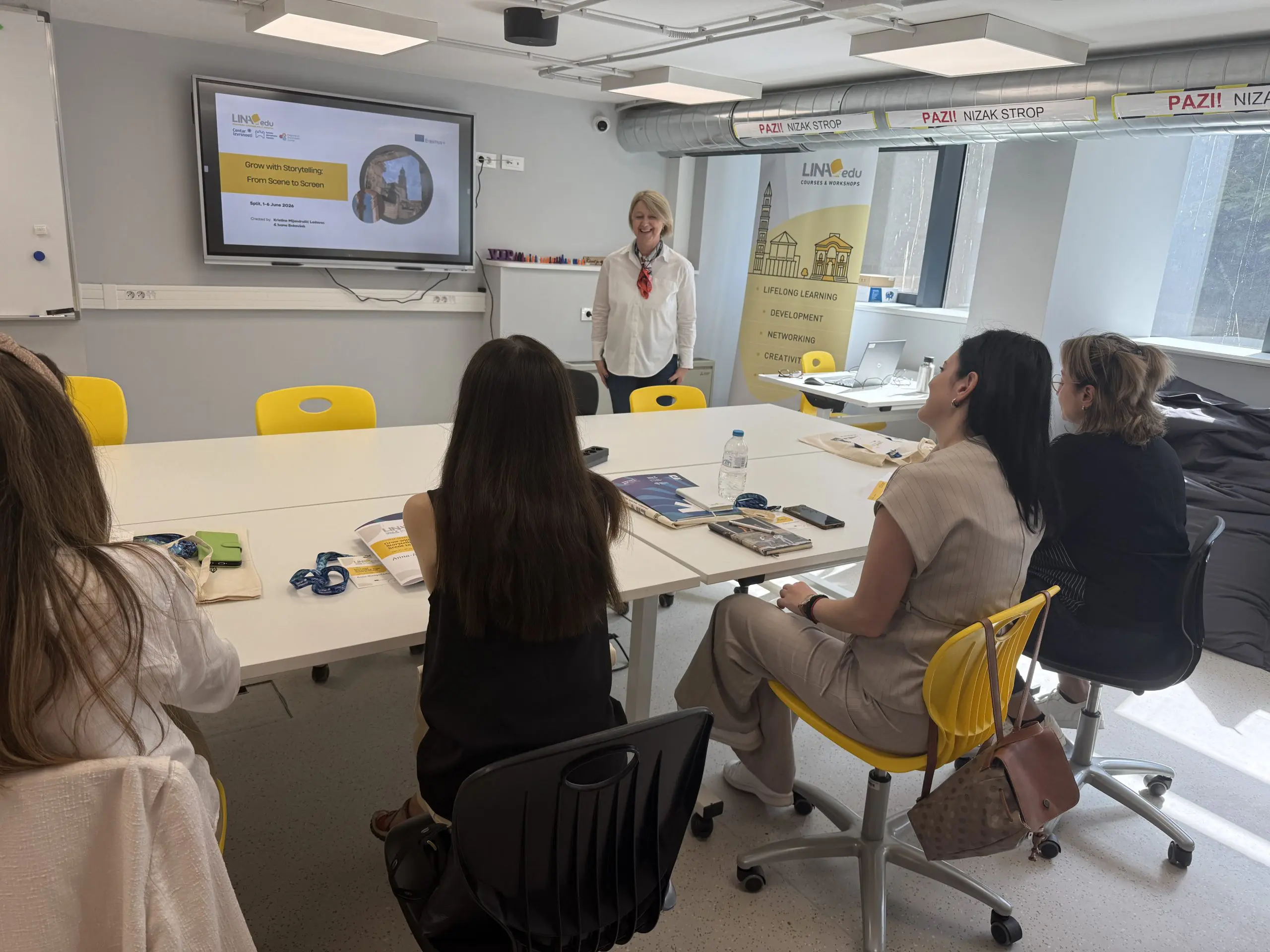
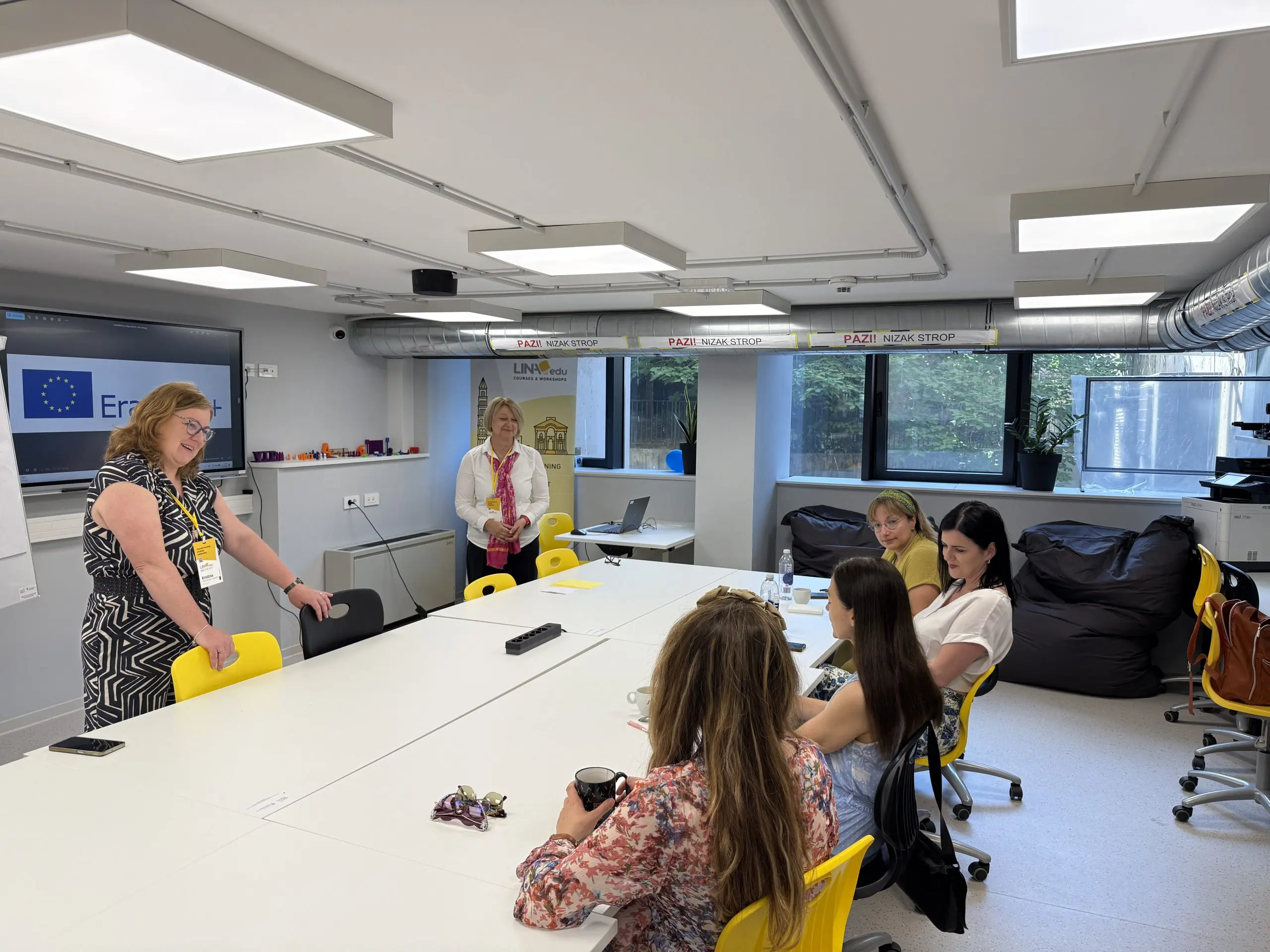
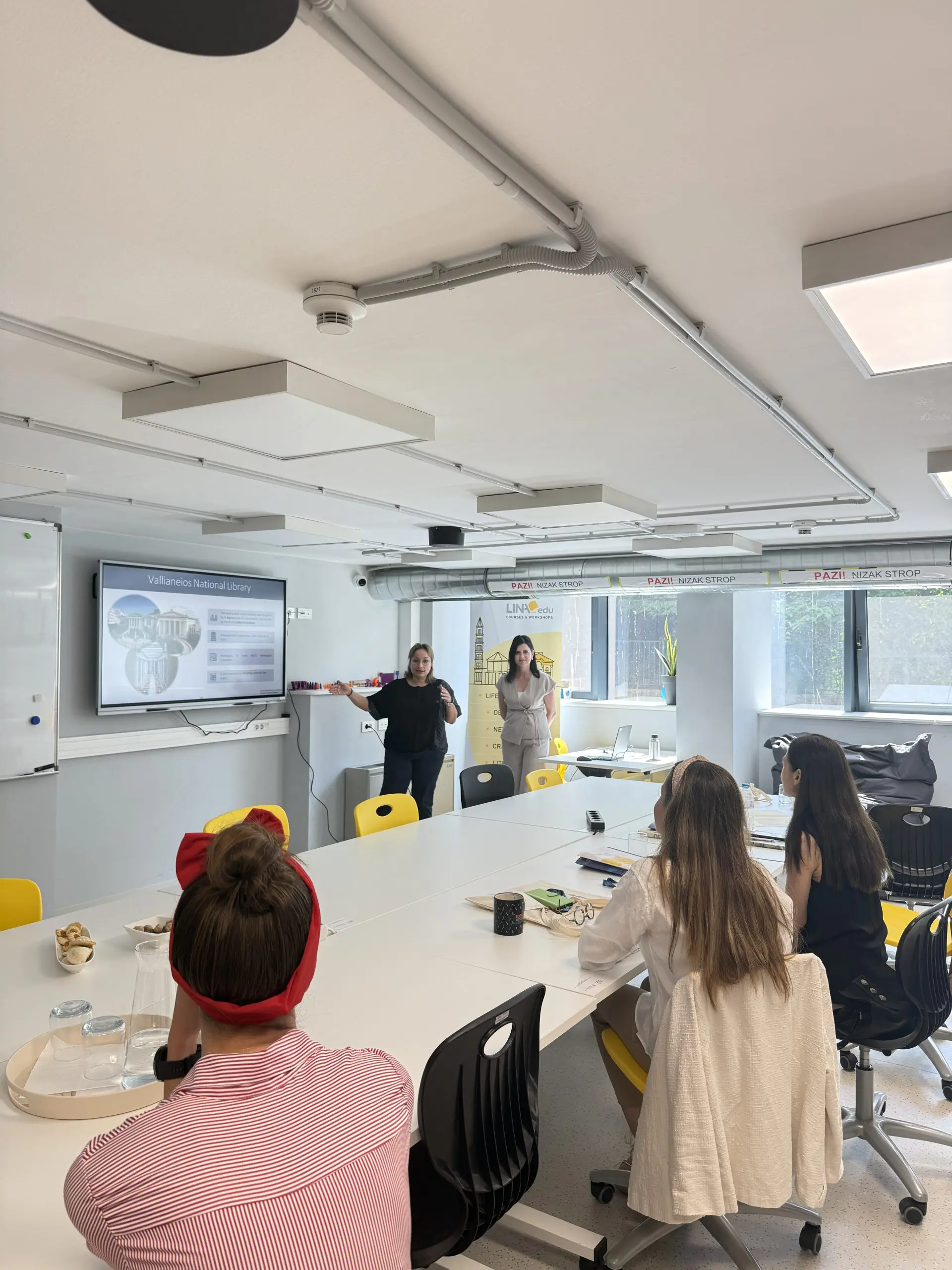
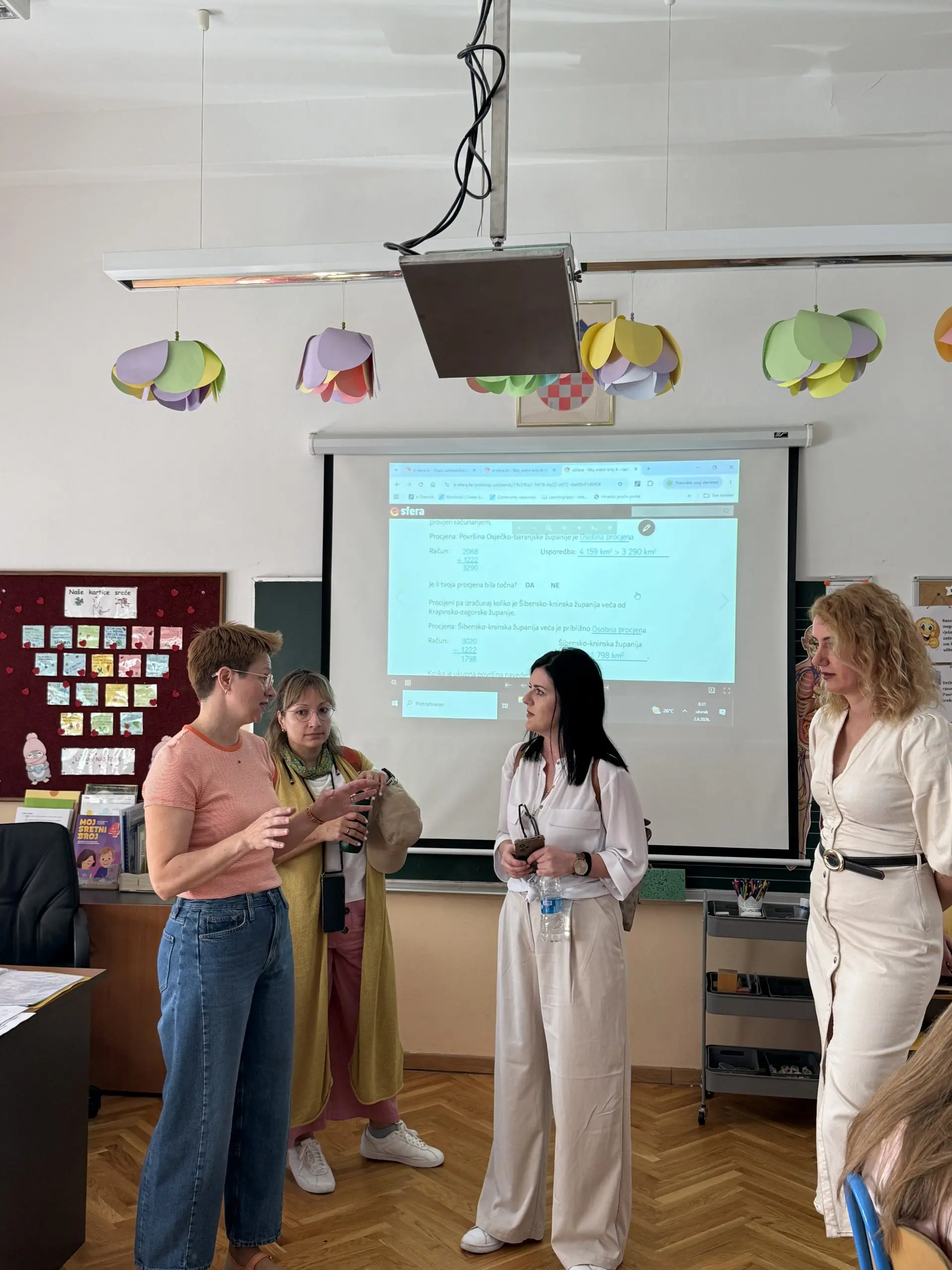
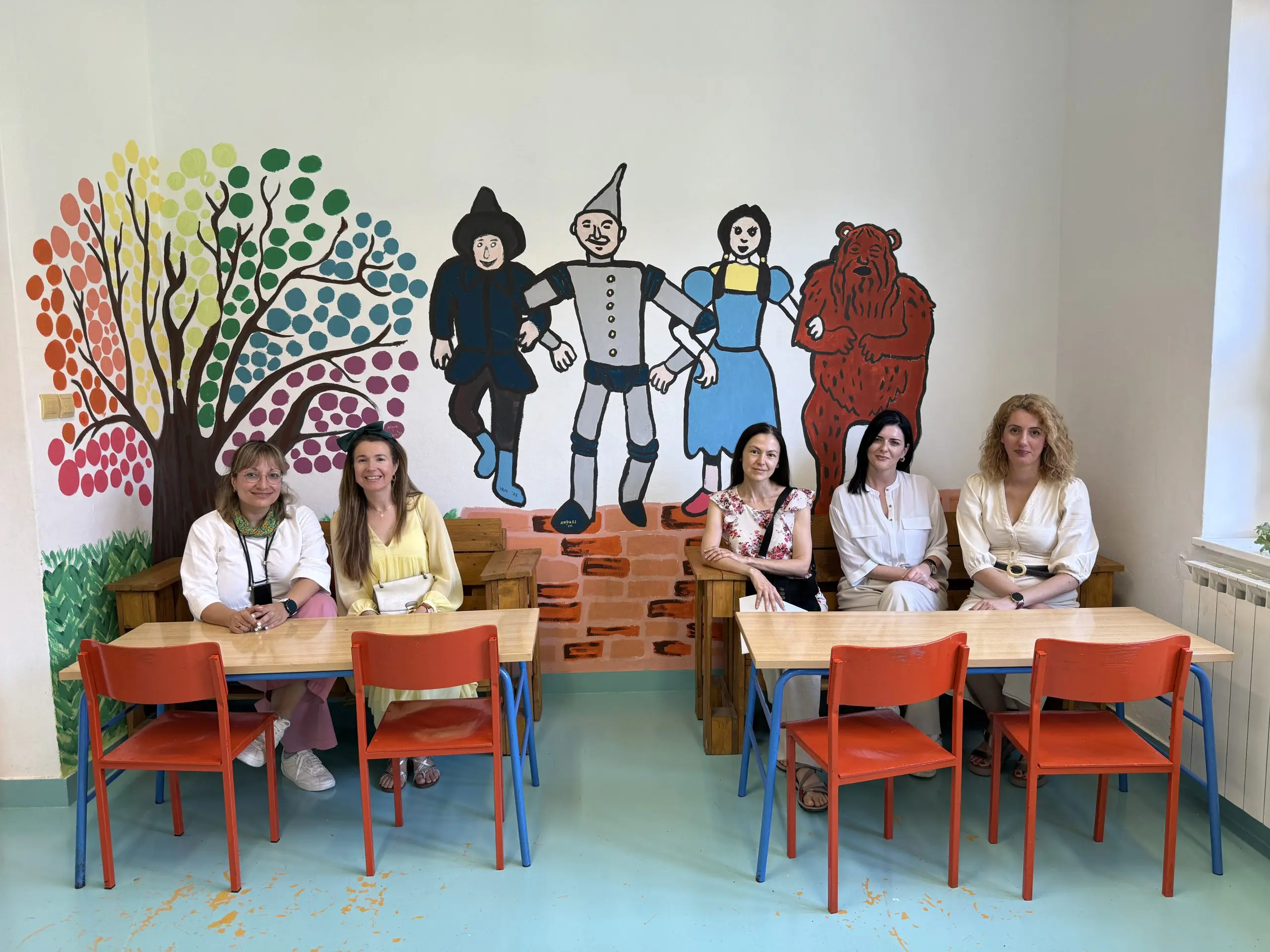
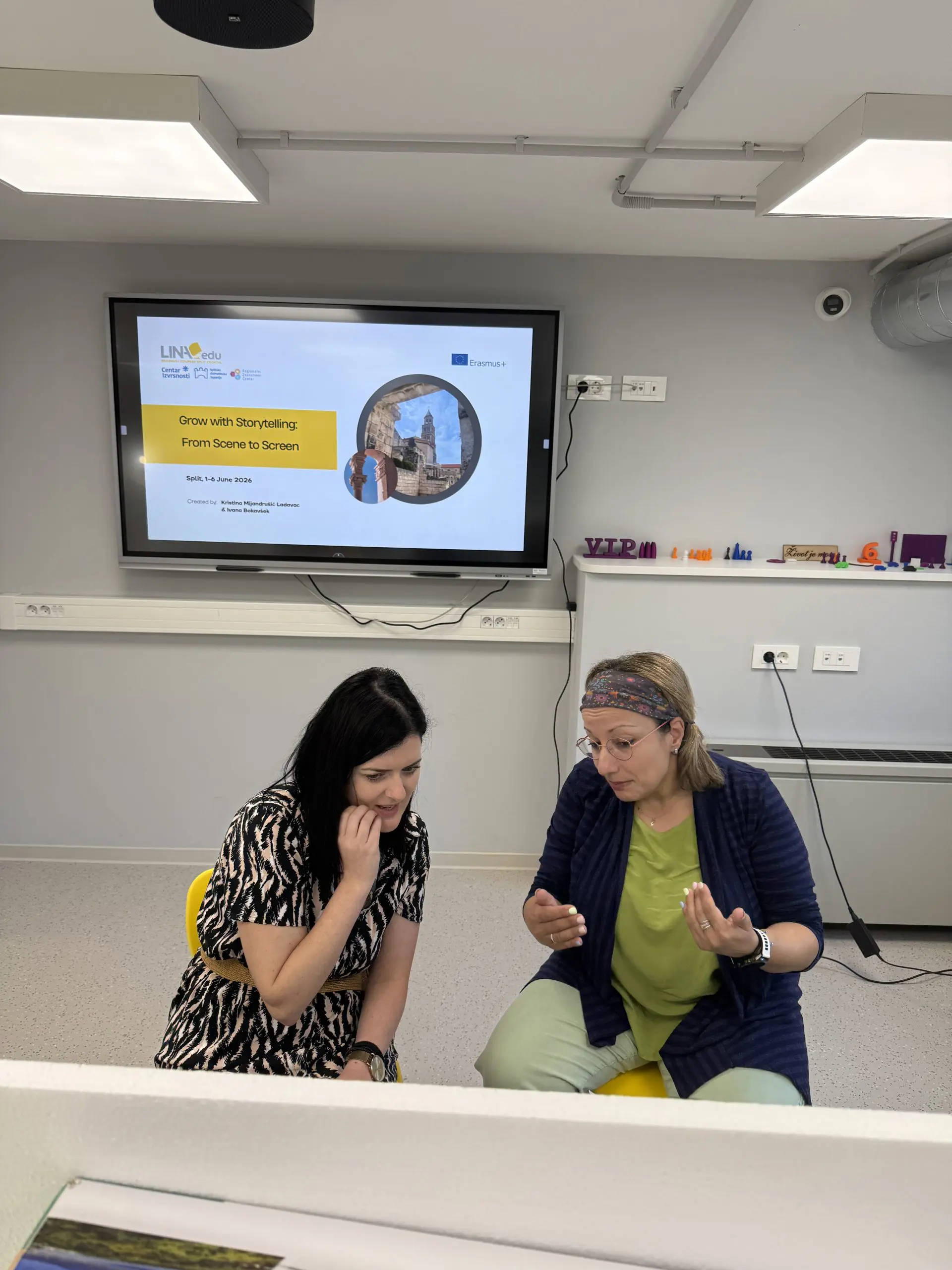
Storytelling is one of the oldest and most powerful ways of making sense of the world through words, images, sounds, movement. Stories help us connect, communicate, and learn. During our Erasmus+ teacher training course Grow with Storytelling: From Scene to Screen, held in Split from 1–6 June 2026, the participants explored how storytelling can become a useful and effective educational tool that combines creativity, emotional awareness, communication skills, and digital competence.
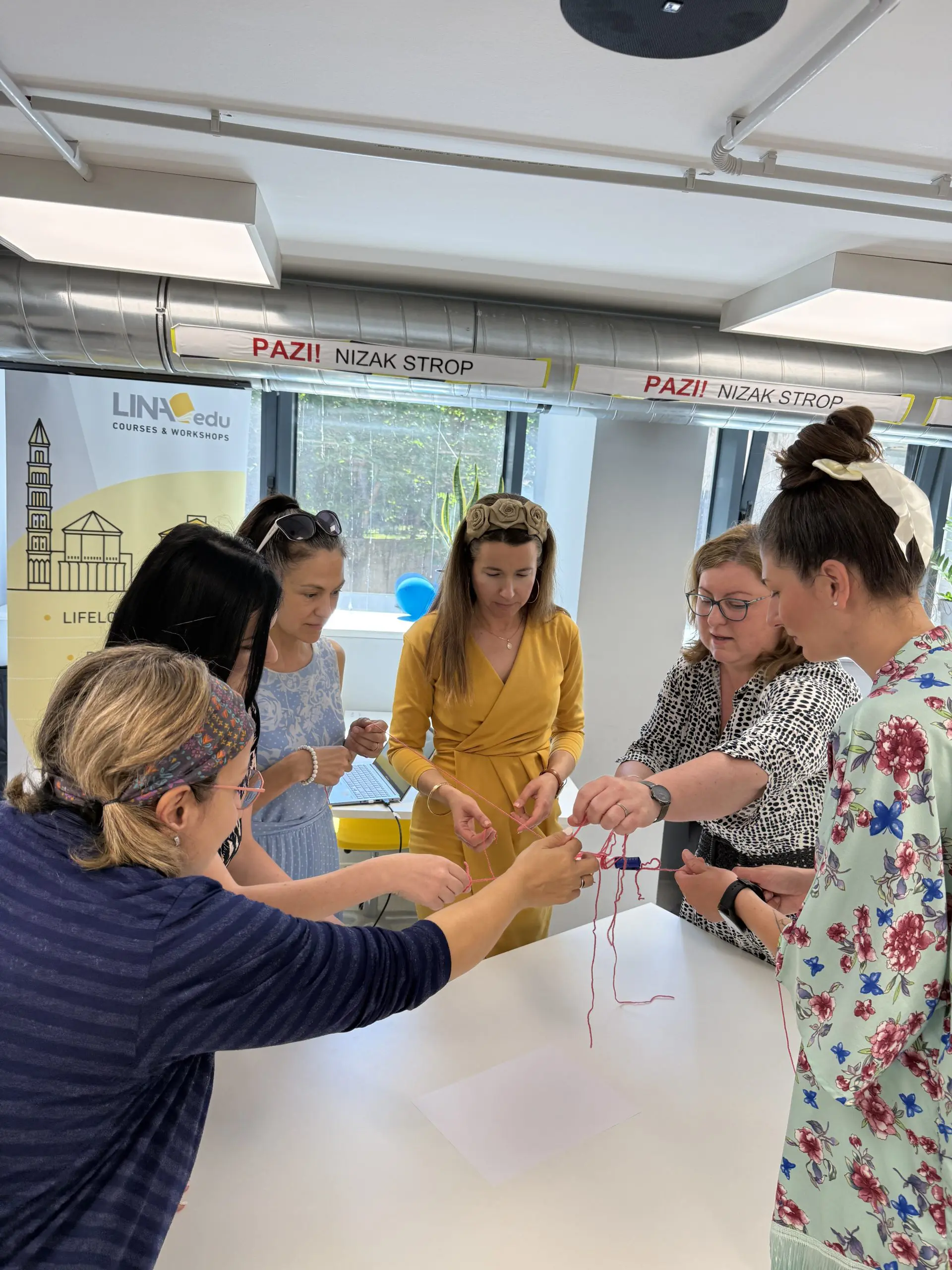
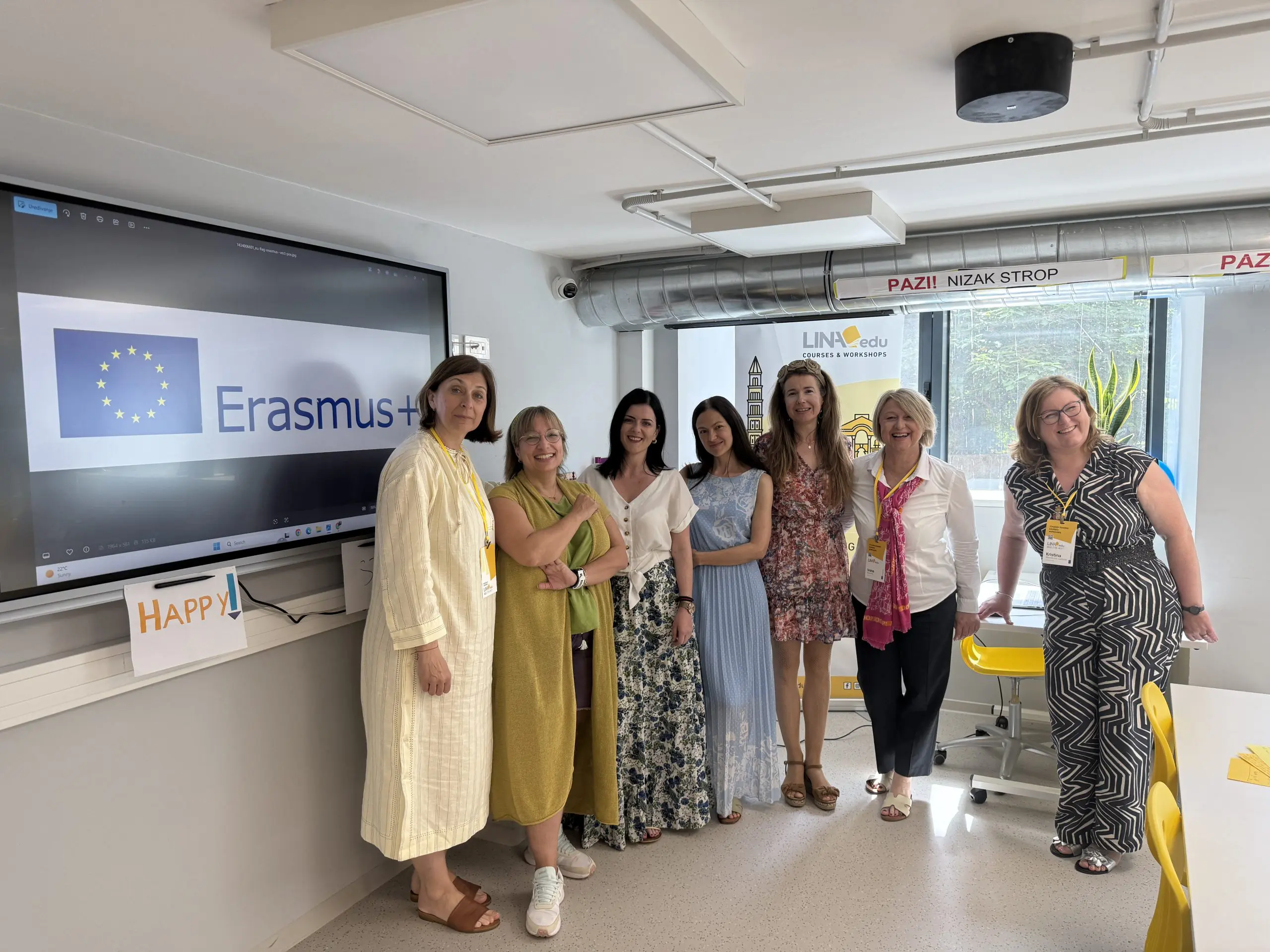
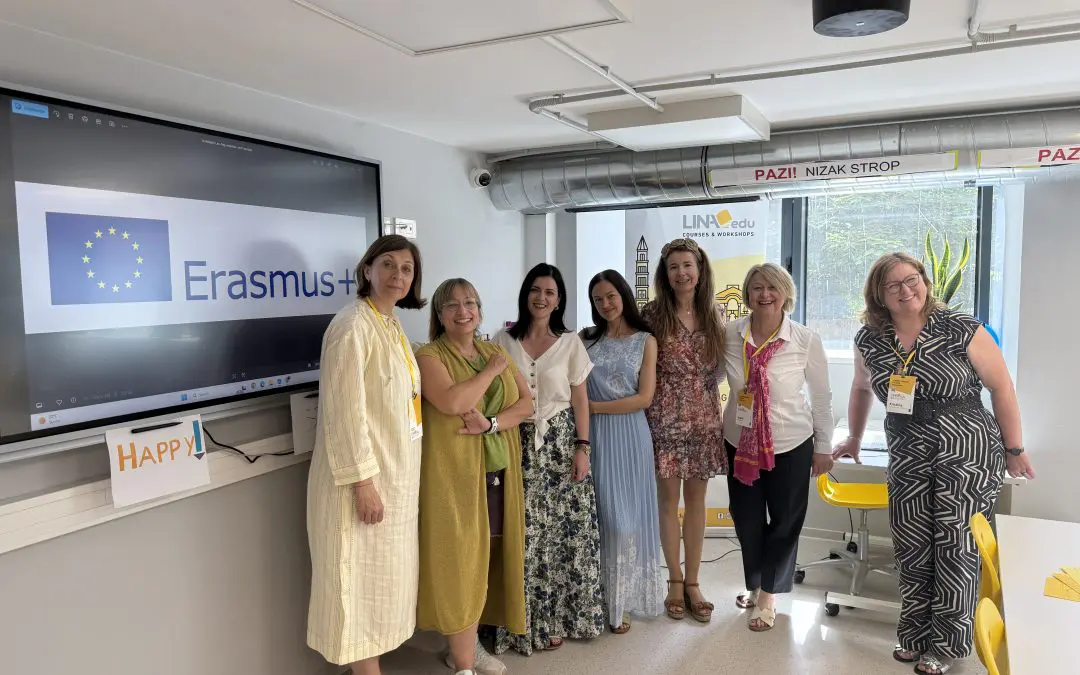
Throughout the week, teachers from Greece and Croatia came together to discover how stories can move from imagination to expression, from scene to screen, and from personal reflection to collaborative creation.
Seeing Stories Everywhere
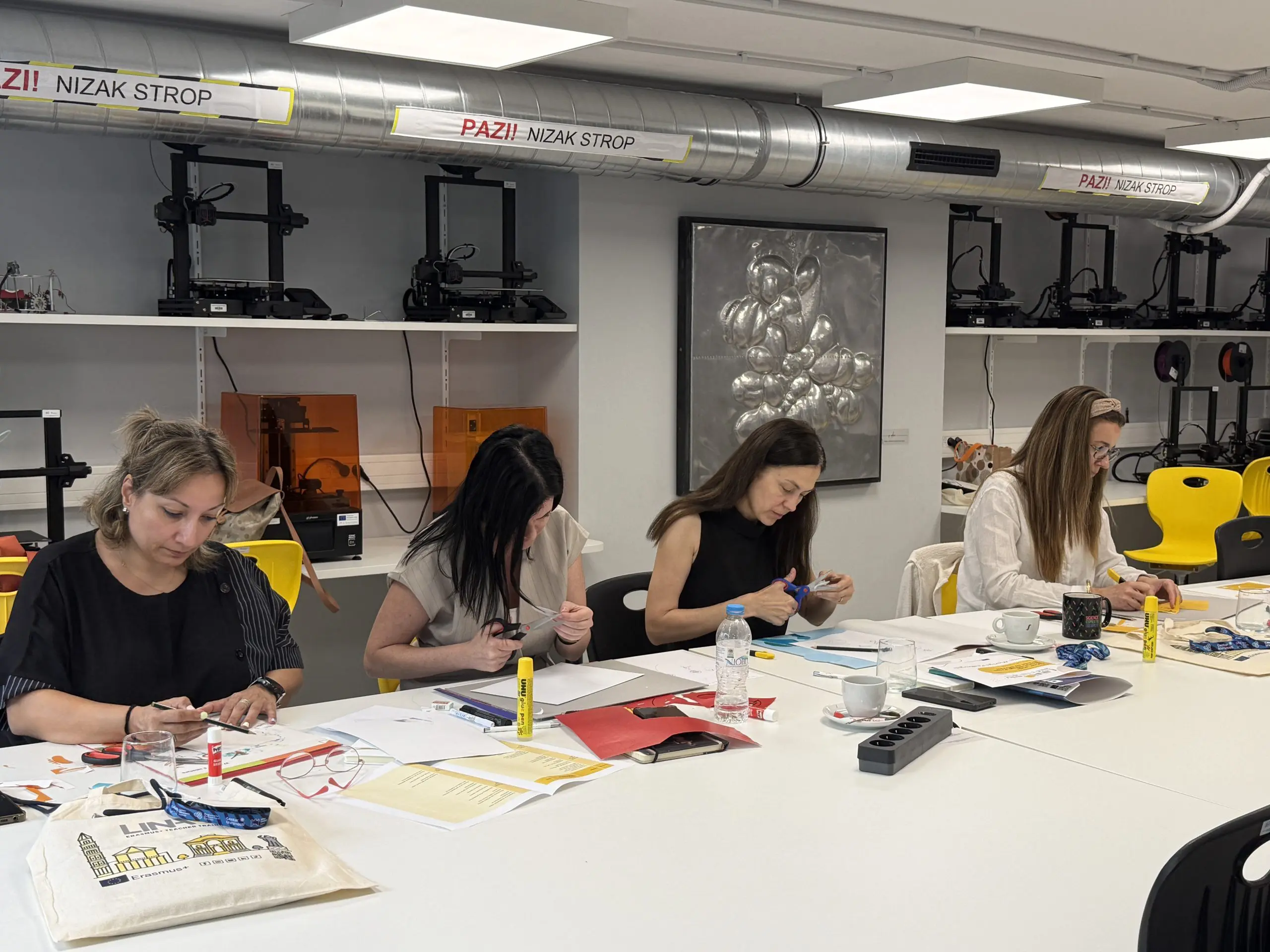
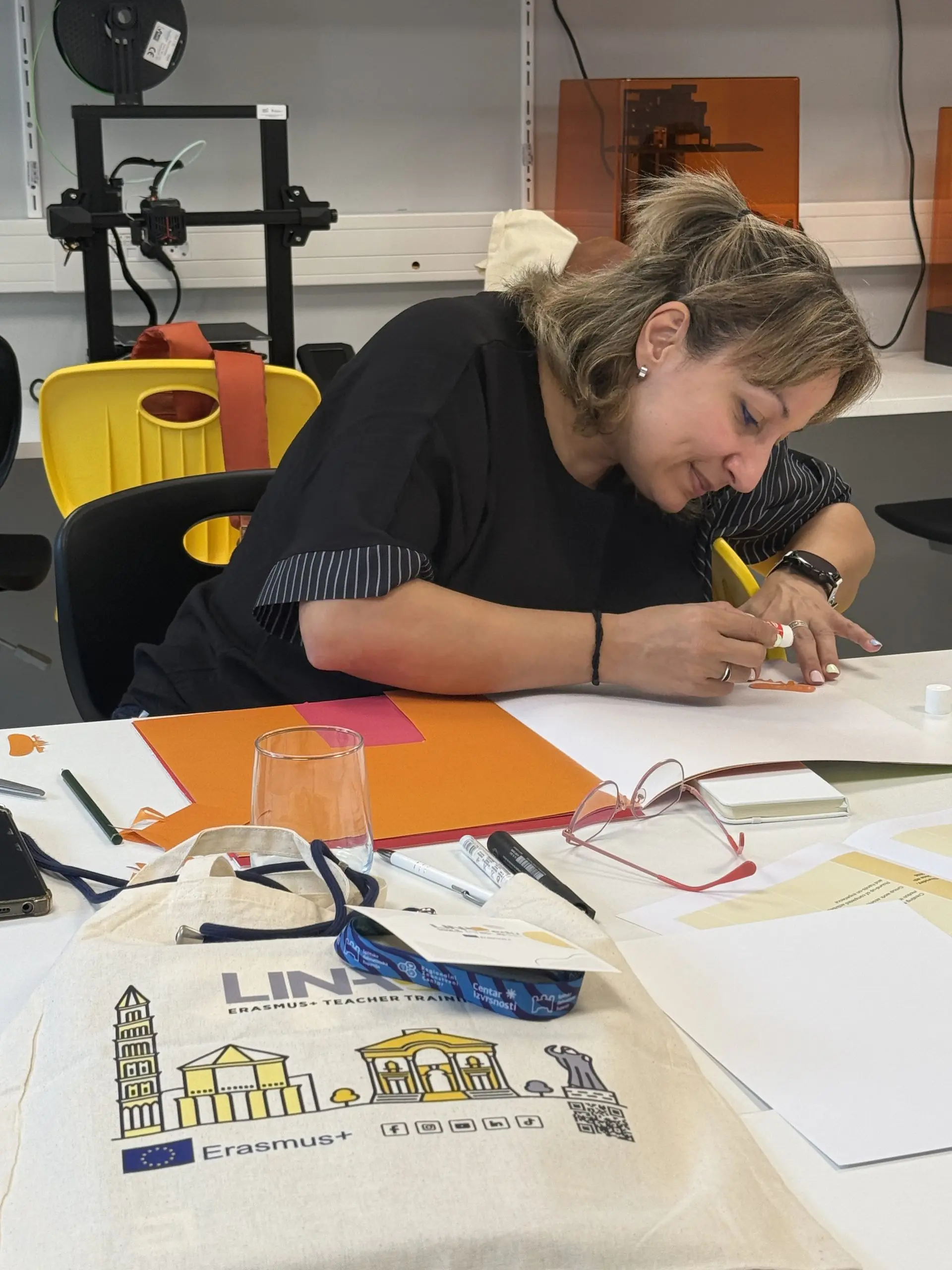
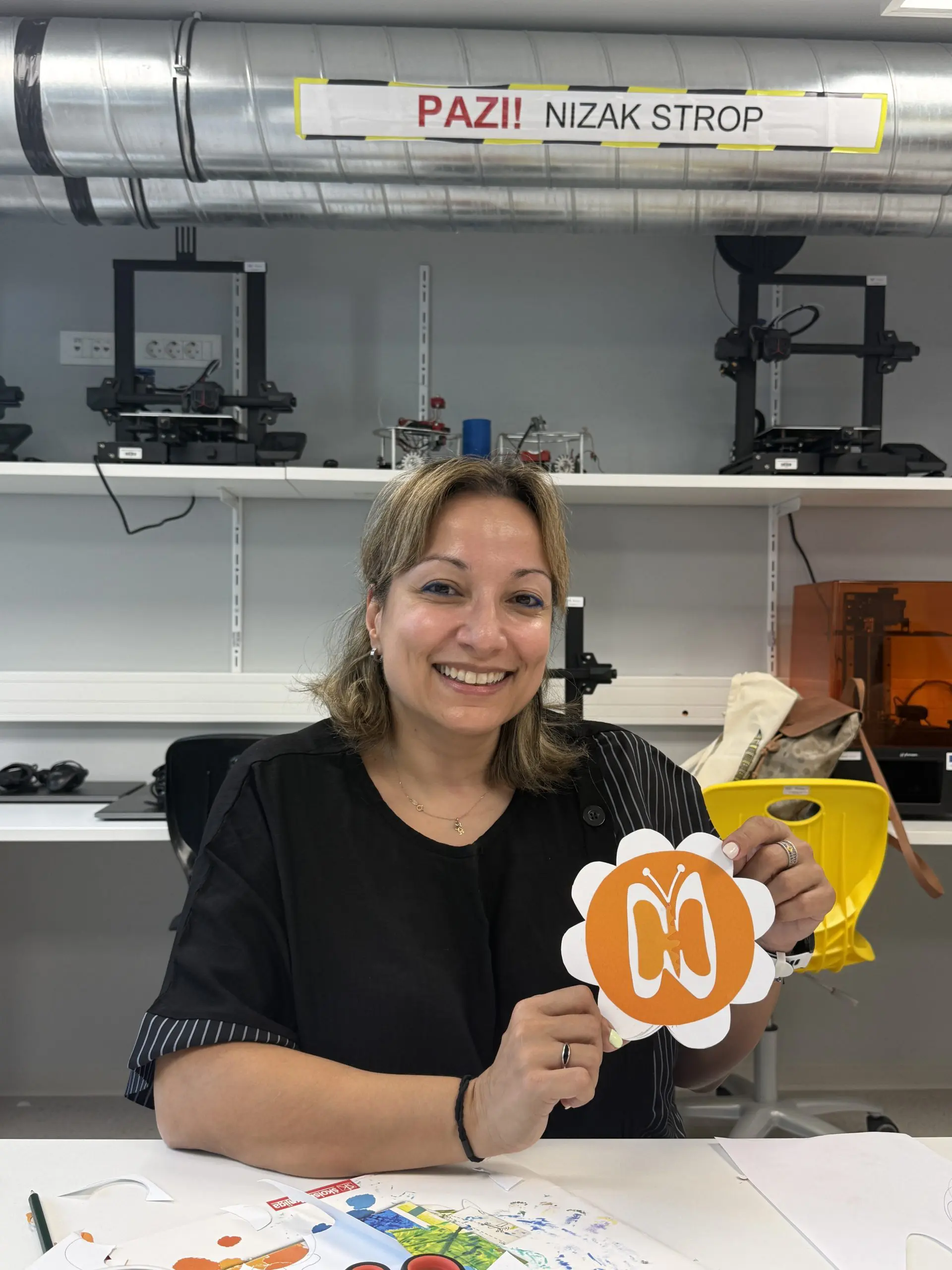
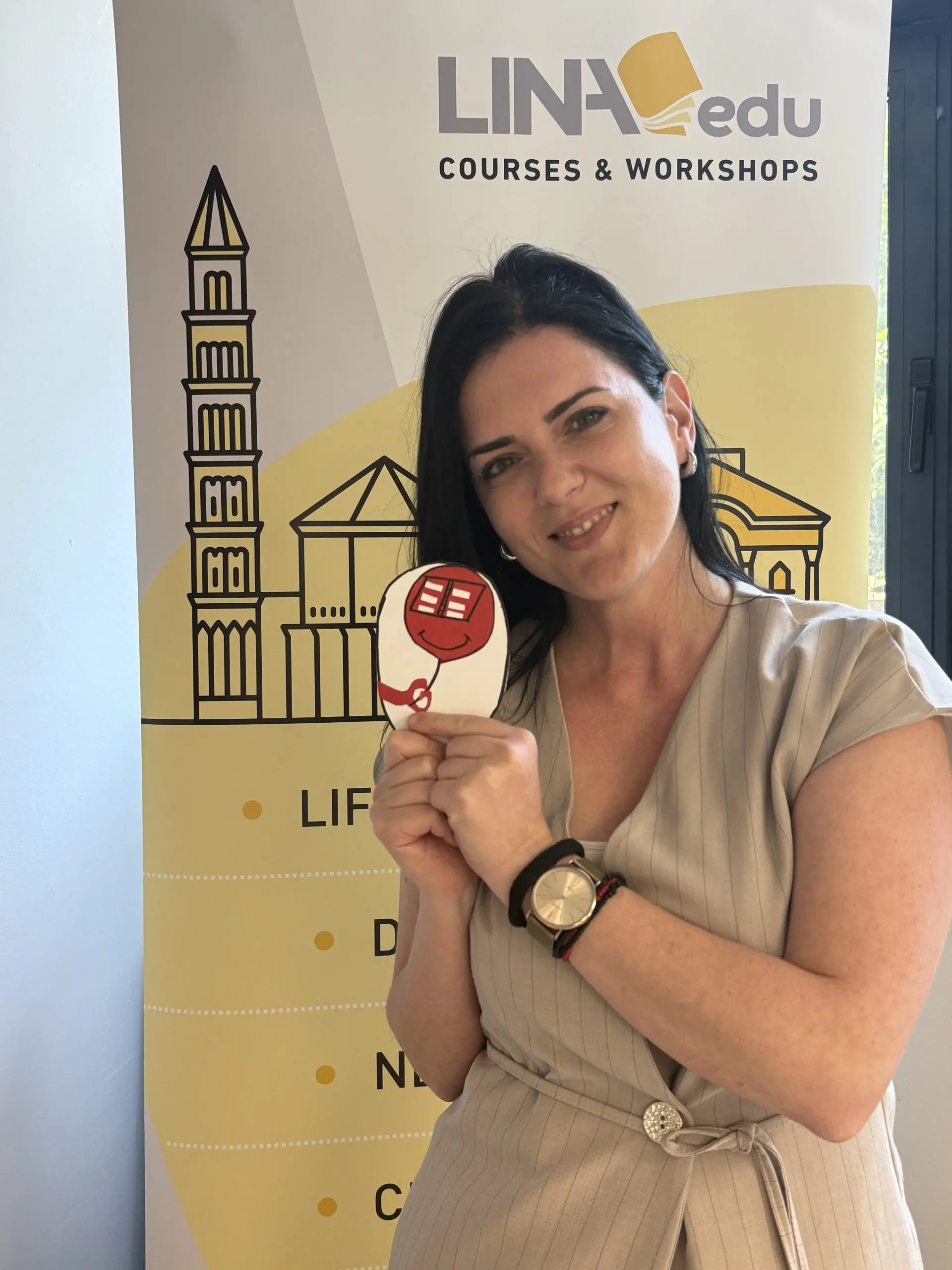
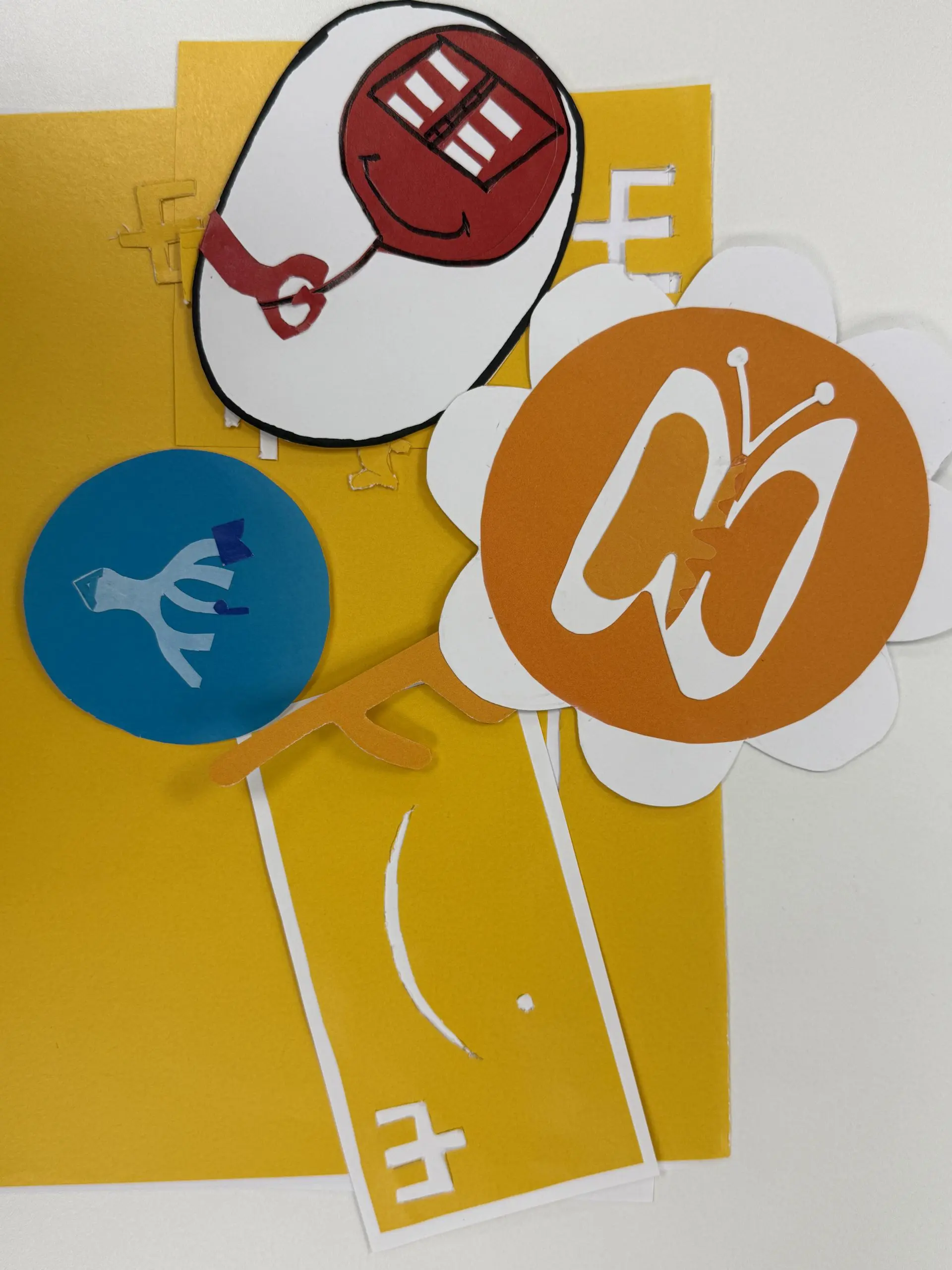
We began our learning journey with the workshop “Watch, See, Say and Show”, where participants explored visual storytelling through art, colours, symbols, and pictograms. Through creative tasks and discussions, we examined how images communicate meaning and emotion long before words appear.
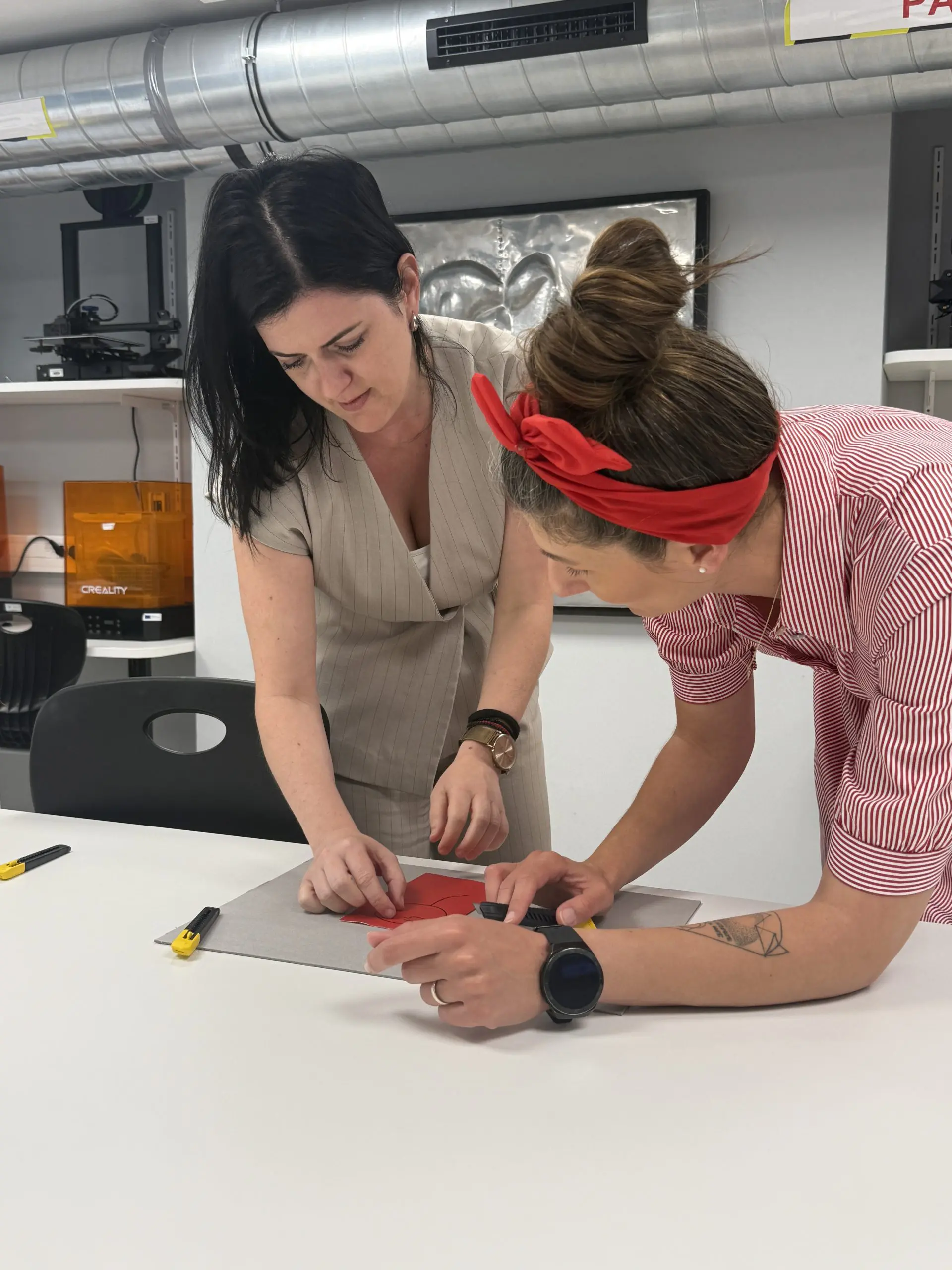
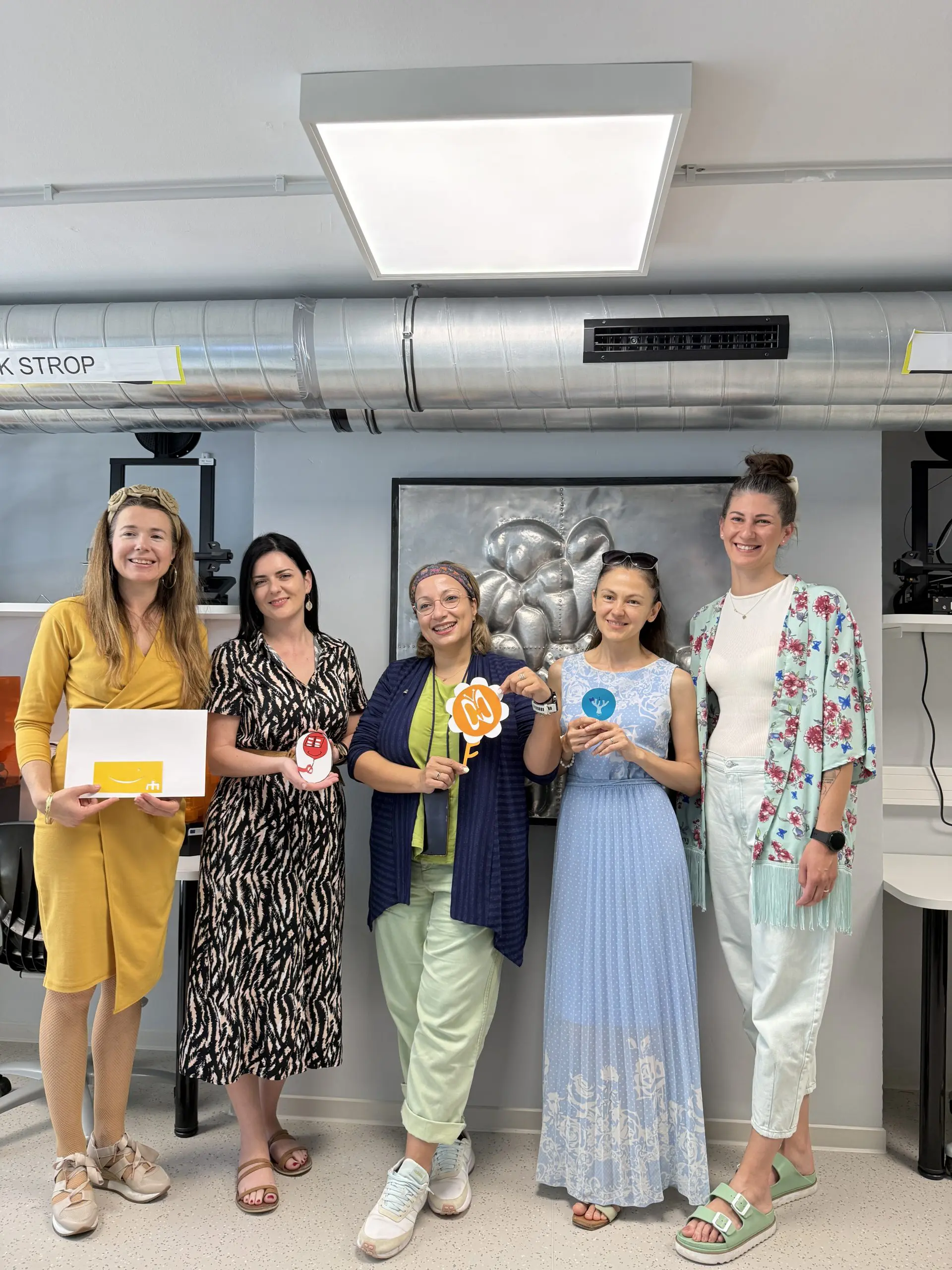
Instructed and guided by the art educator Ida Bugarić Đuka, the assistant at the Arts Academy in Split, the participants designed personal pictograms.
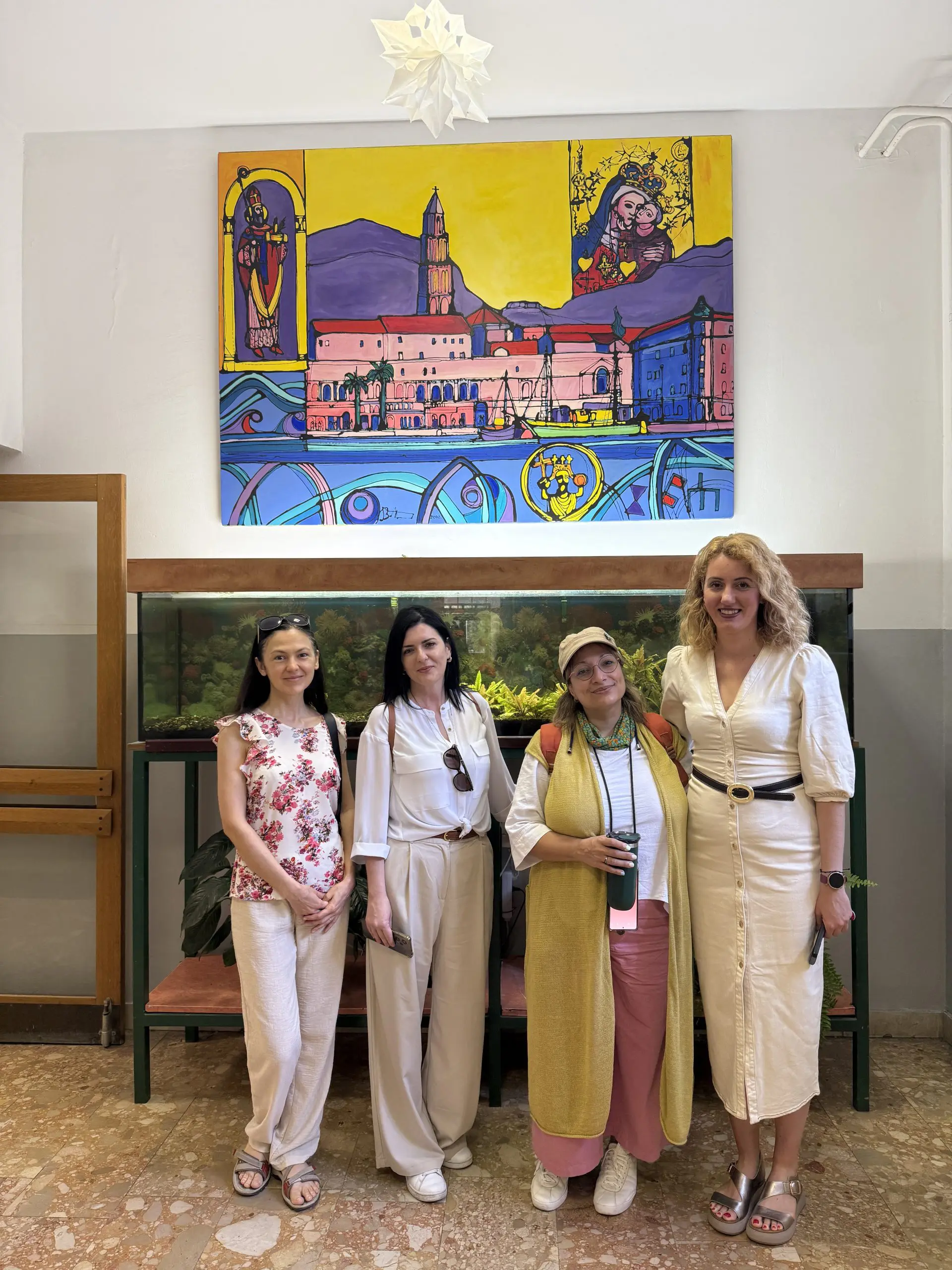
Another workshop followed, where the participants worked on photographs of local landmarks, discovering how place and atmosphere can become powerful storytelling elements.
Books, Emotions and the Power of Sound
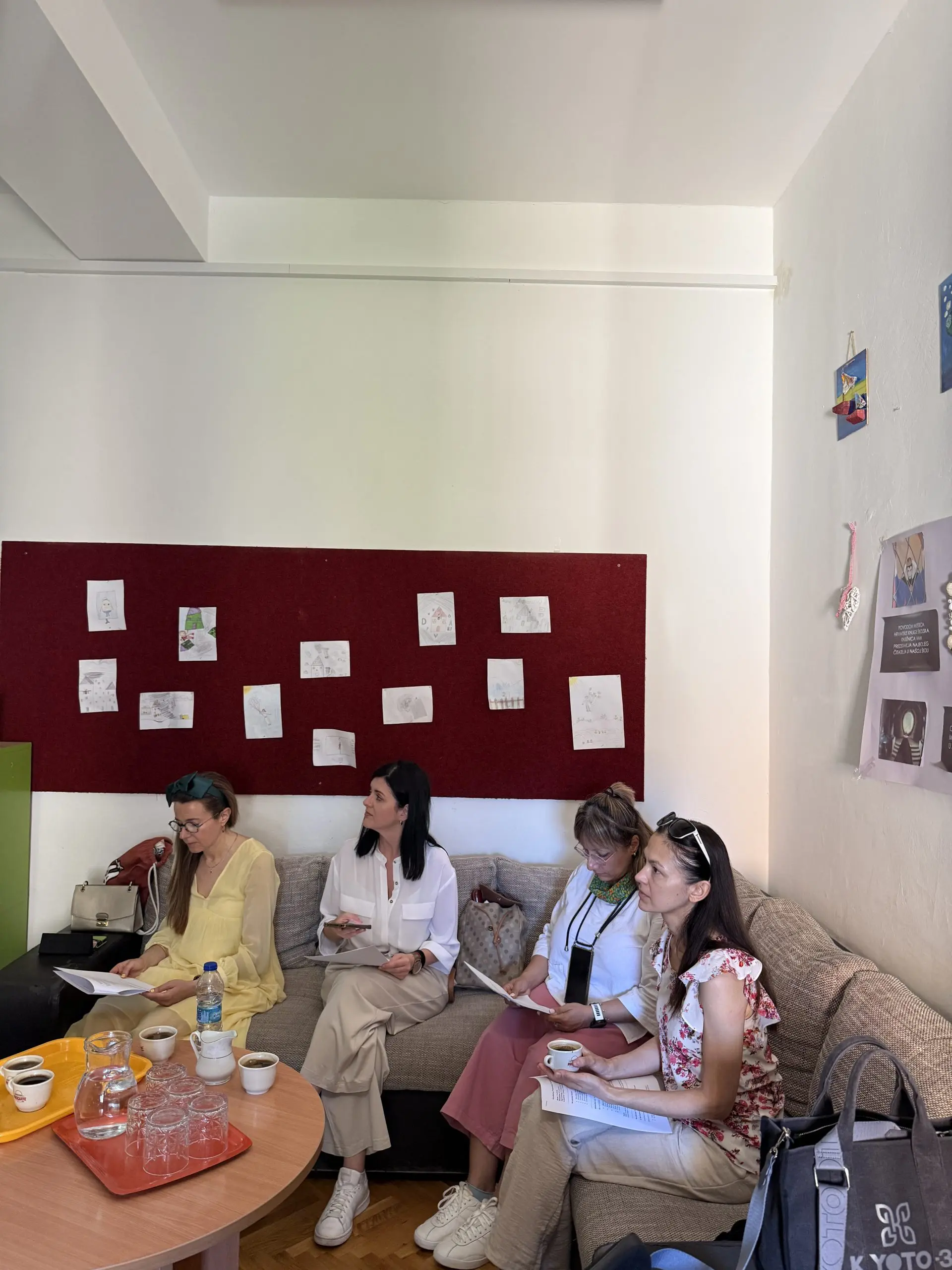
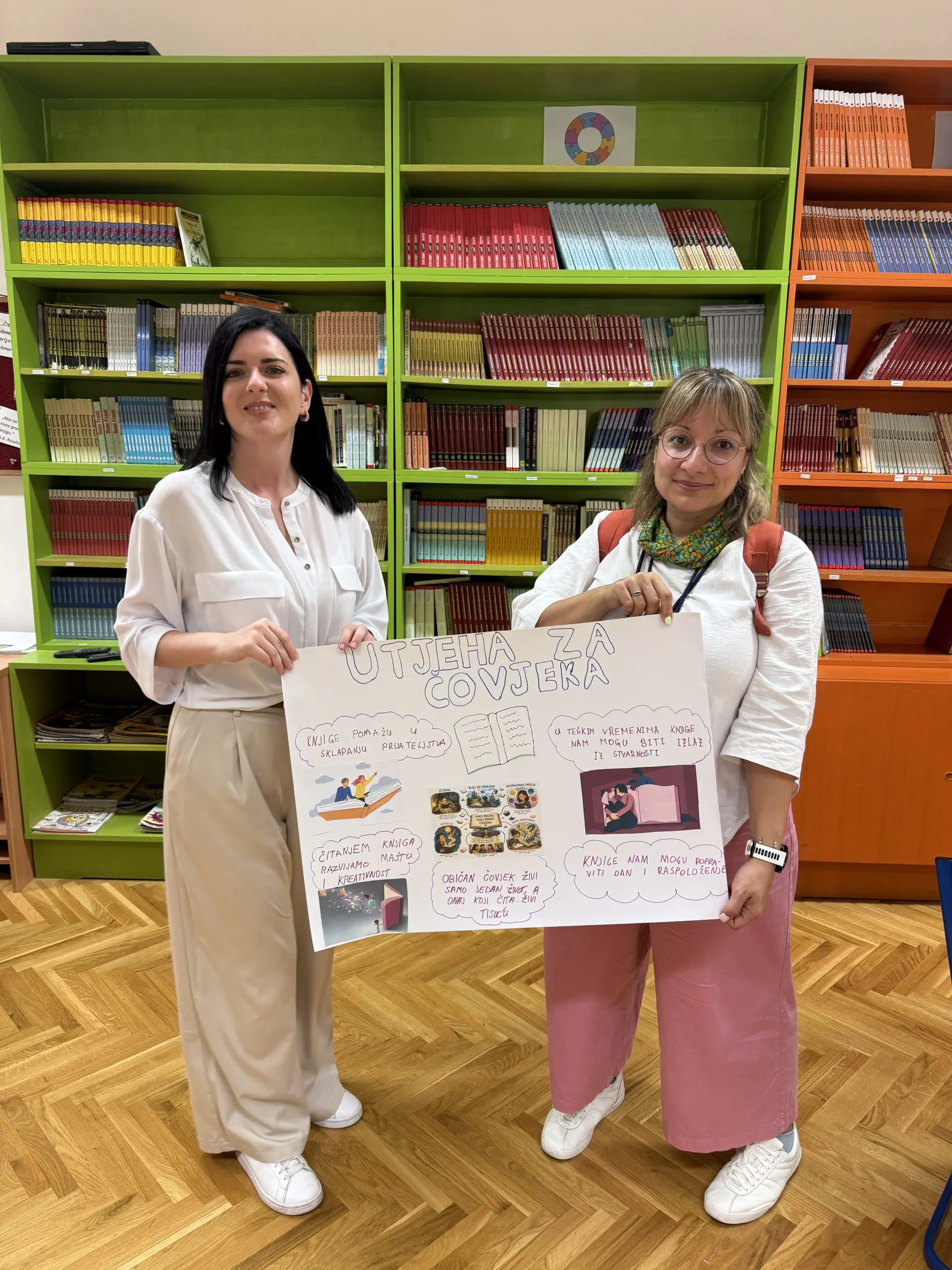
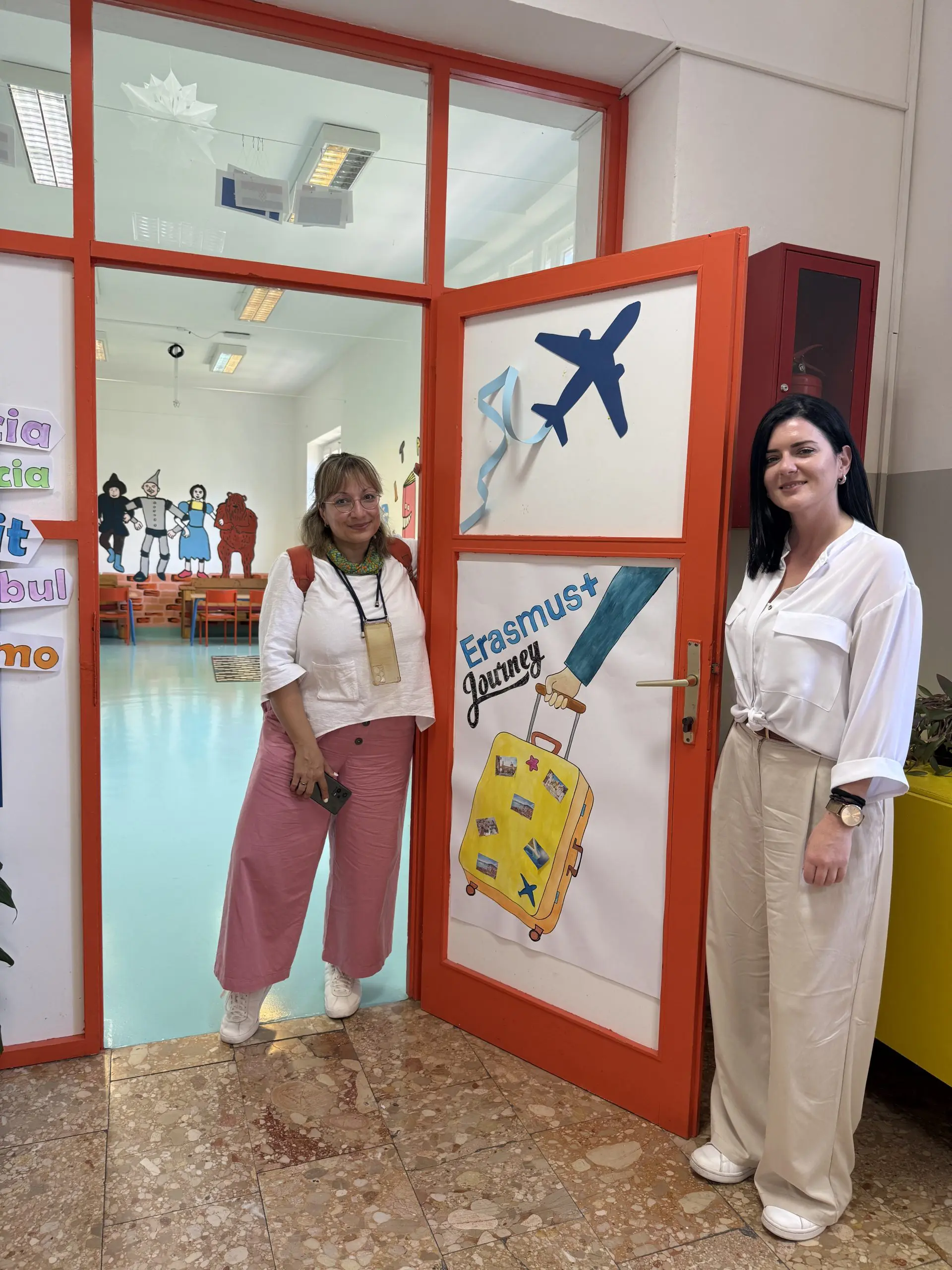
Our second day focused on storytelling as a tool for personal growth, emotional development and literature cultural heritage. During a professional development visit to the school library of the Elementary school Dobri in Split and workshop “The Fantastic Flying Books of Mr. Morris Lessmore” held by the school librarian Jelena Torti on bibliotherapy with the goals:
- Develop a deeper understanding of the story and its symbolism.
- Encourage students to reflect on life, death, loss, and change.
- Foster empathy and emotional literacy through elements of bibliotherapy.
- Help students recognize how books can support people during difficult moments.
- Promote awareness of the value of every profession and every individual in society.
- Encourage creative expression, collaboration, and self-reflection.
The participants discussed how literature can be used to explore the inner self, detect emotions and understand others through empathy.
Discussions centred on the idea that books can act as mirrors, helping readers recognise their own experiences, emotions, and challenges. They brainstormed a variety of possible bibliotherapy questions.
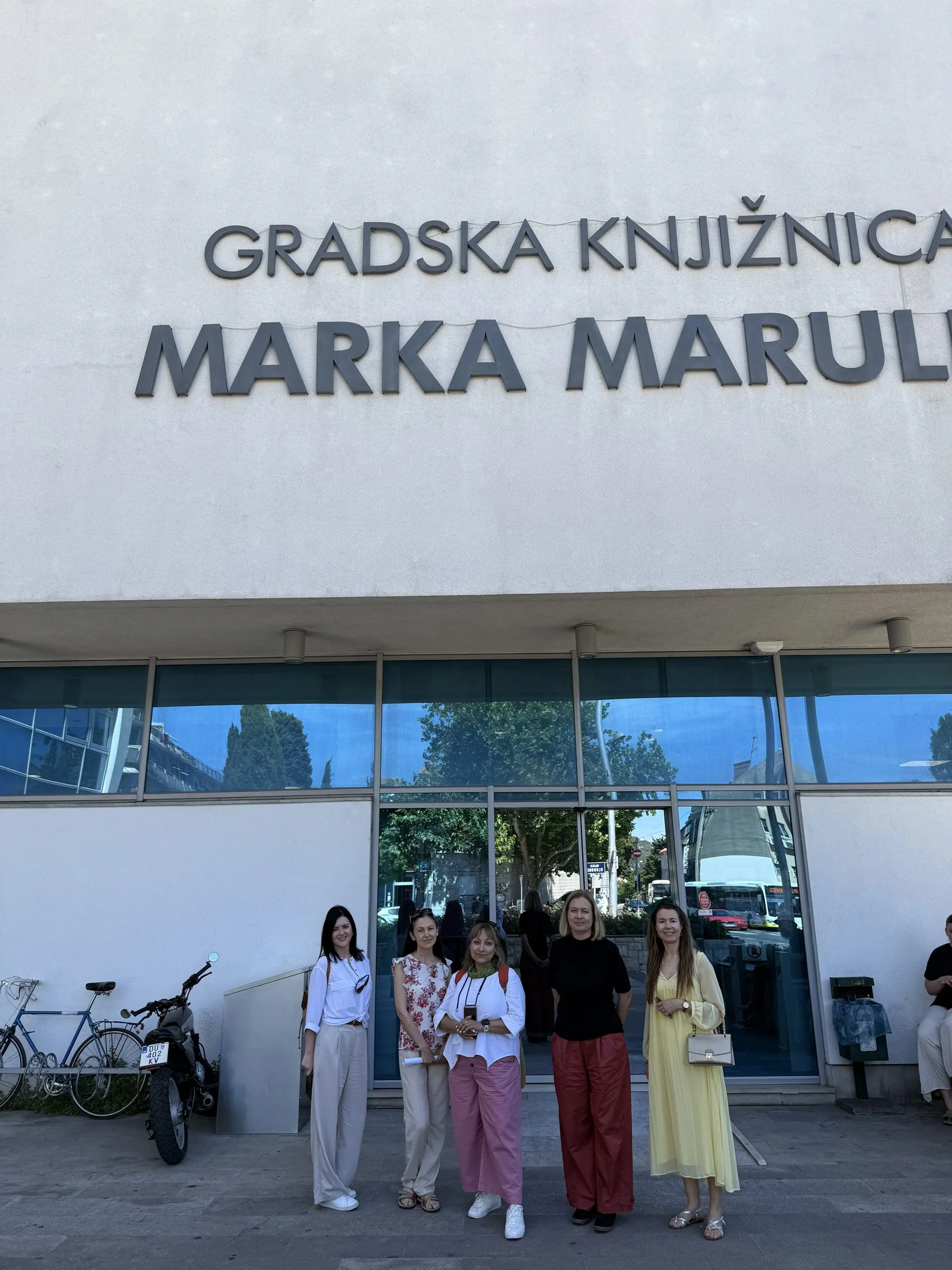
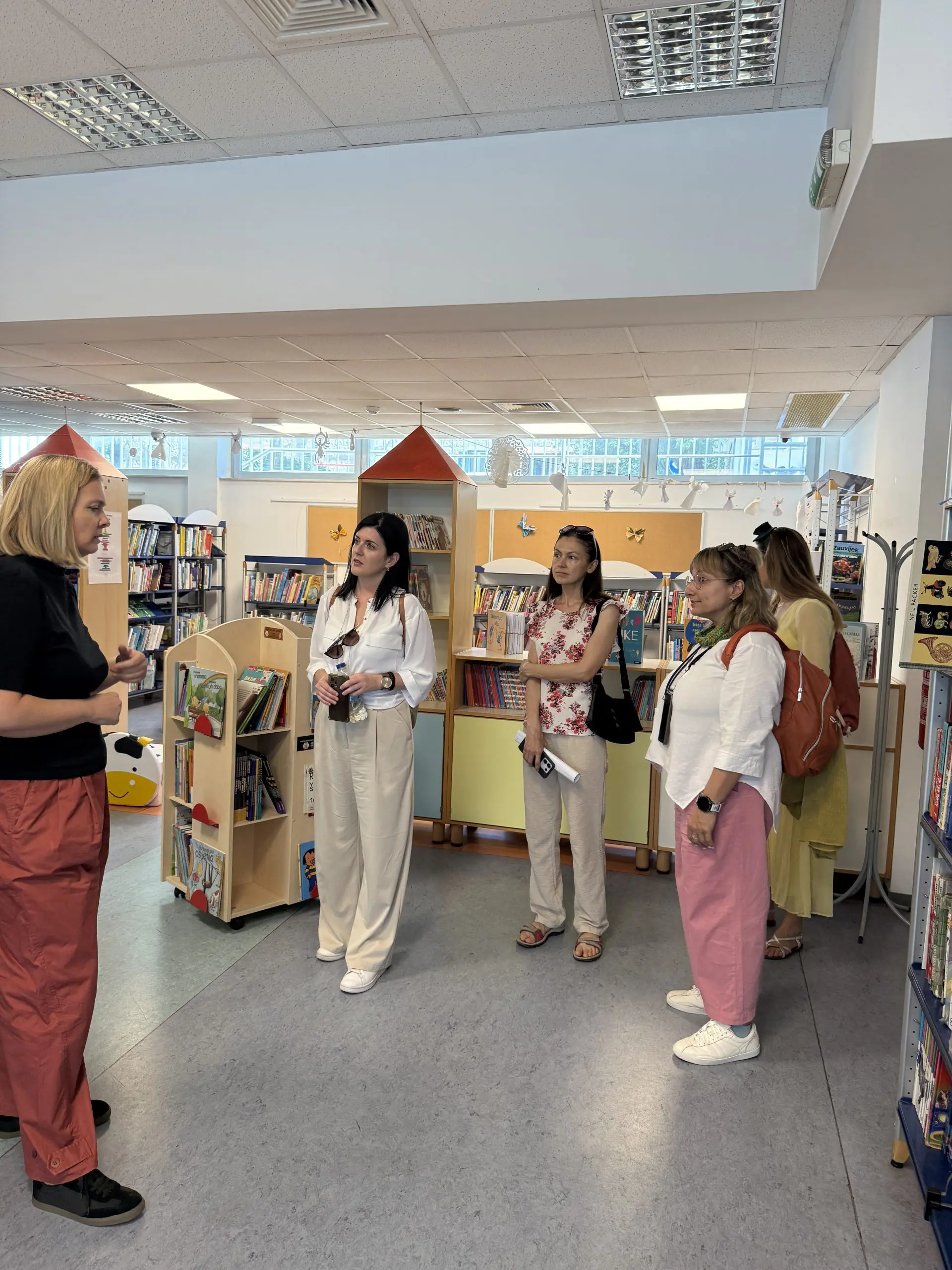
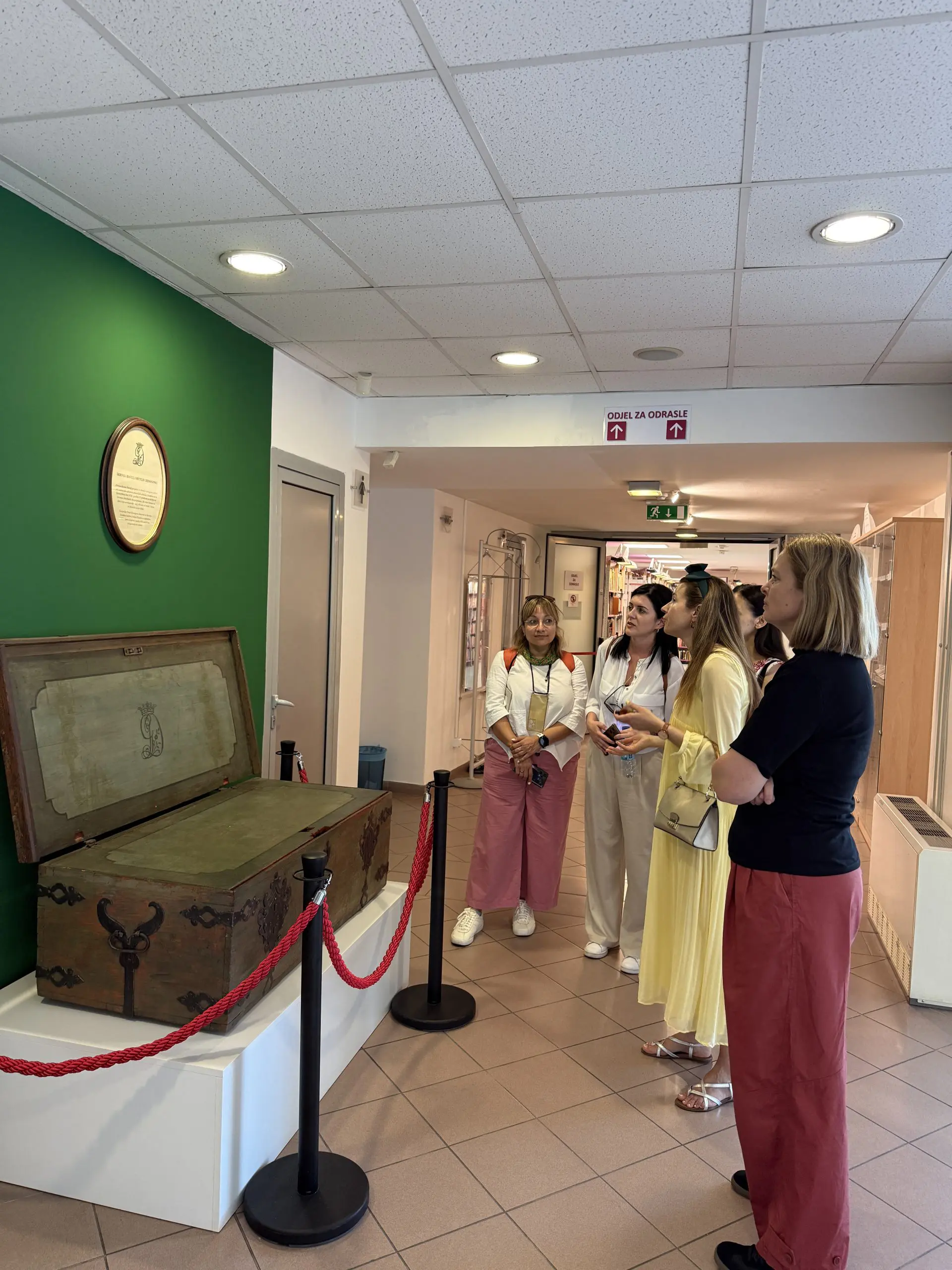
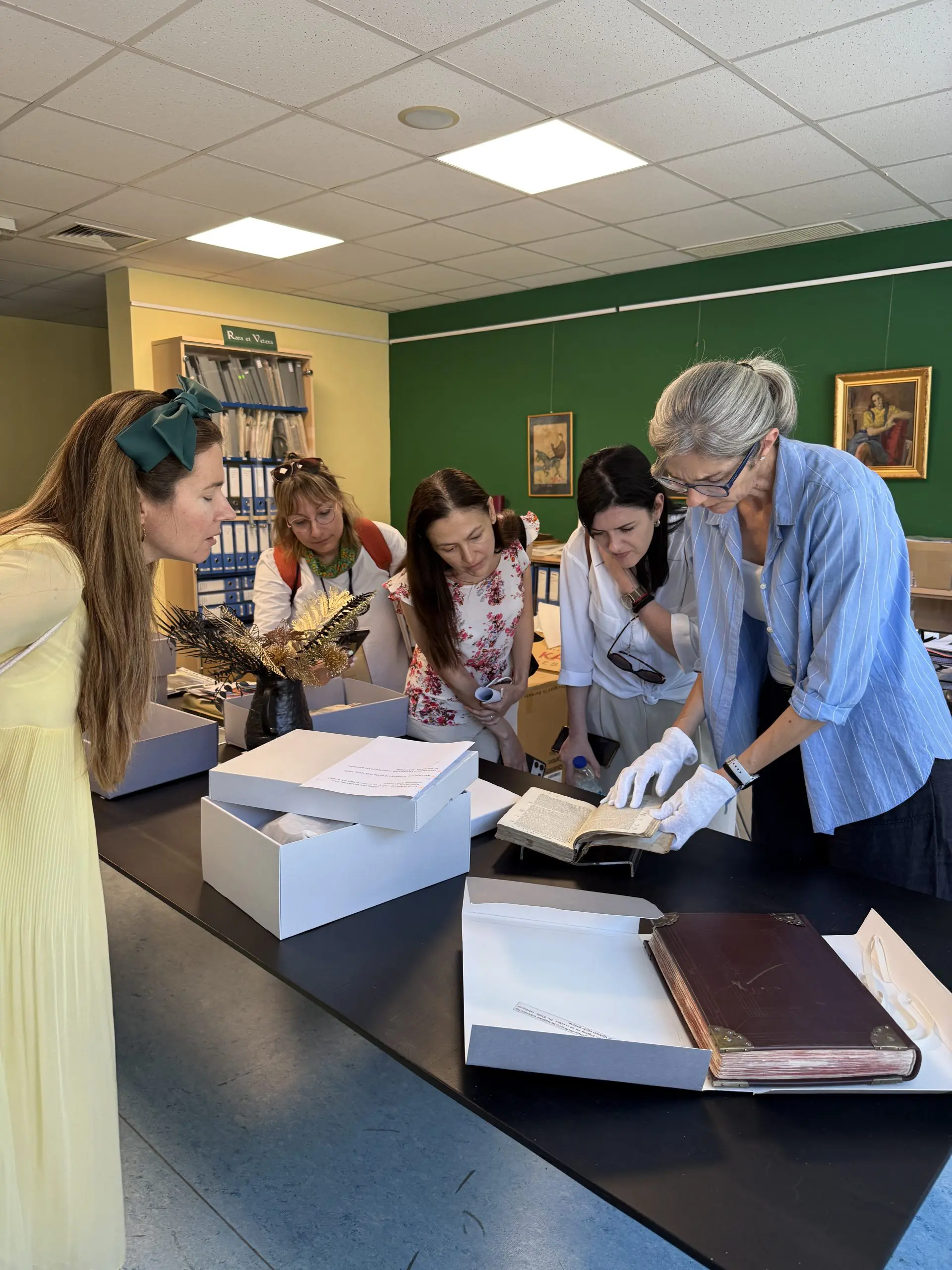
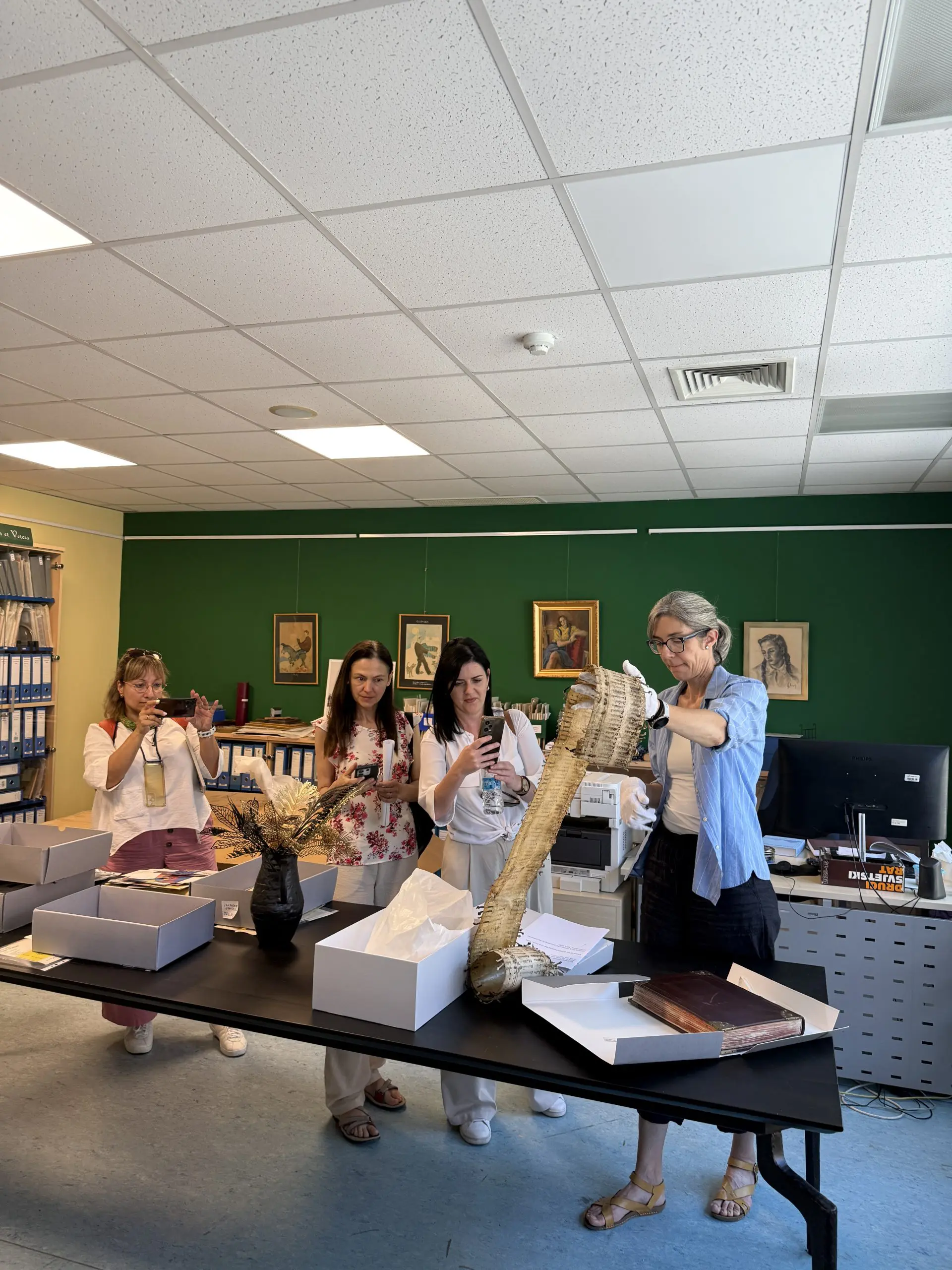
The participants had also an amazing opportunity to visit the City Library Marko Marulić, one of Split’s key cultural institutions. The visit, organized by the senior librarian Maruška Nardelli, offered an opportunity to explore the rich literary and cultural heritage of the city while reflecting on the enduring role of books in shaping personal and collective identities.
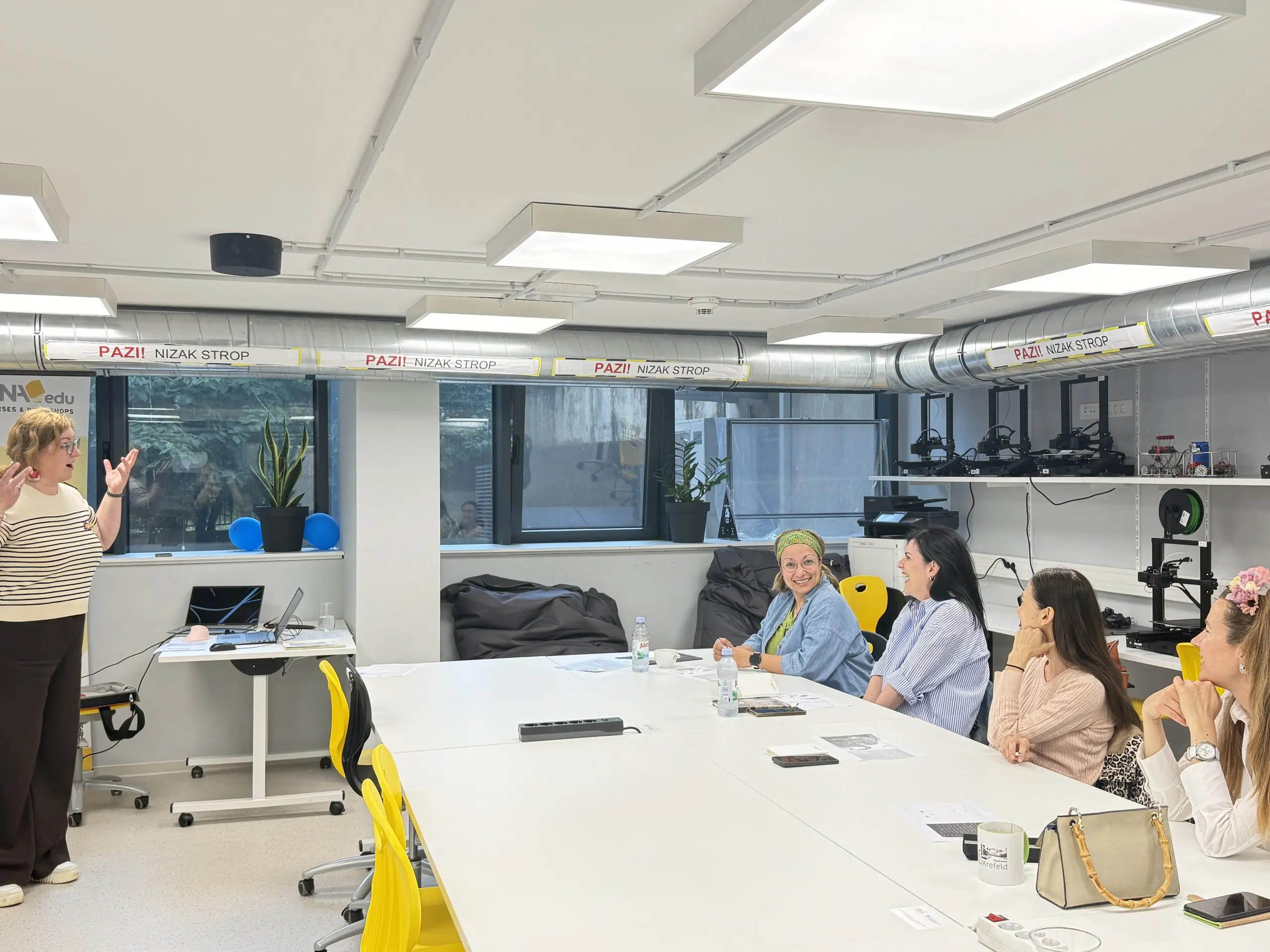
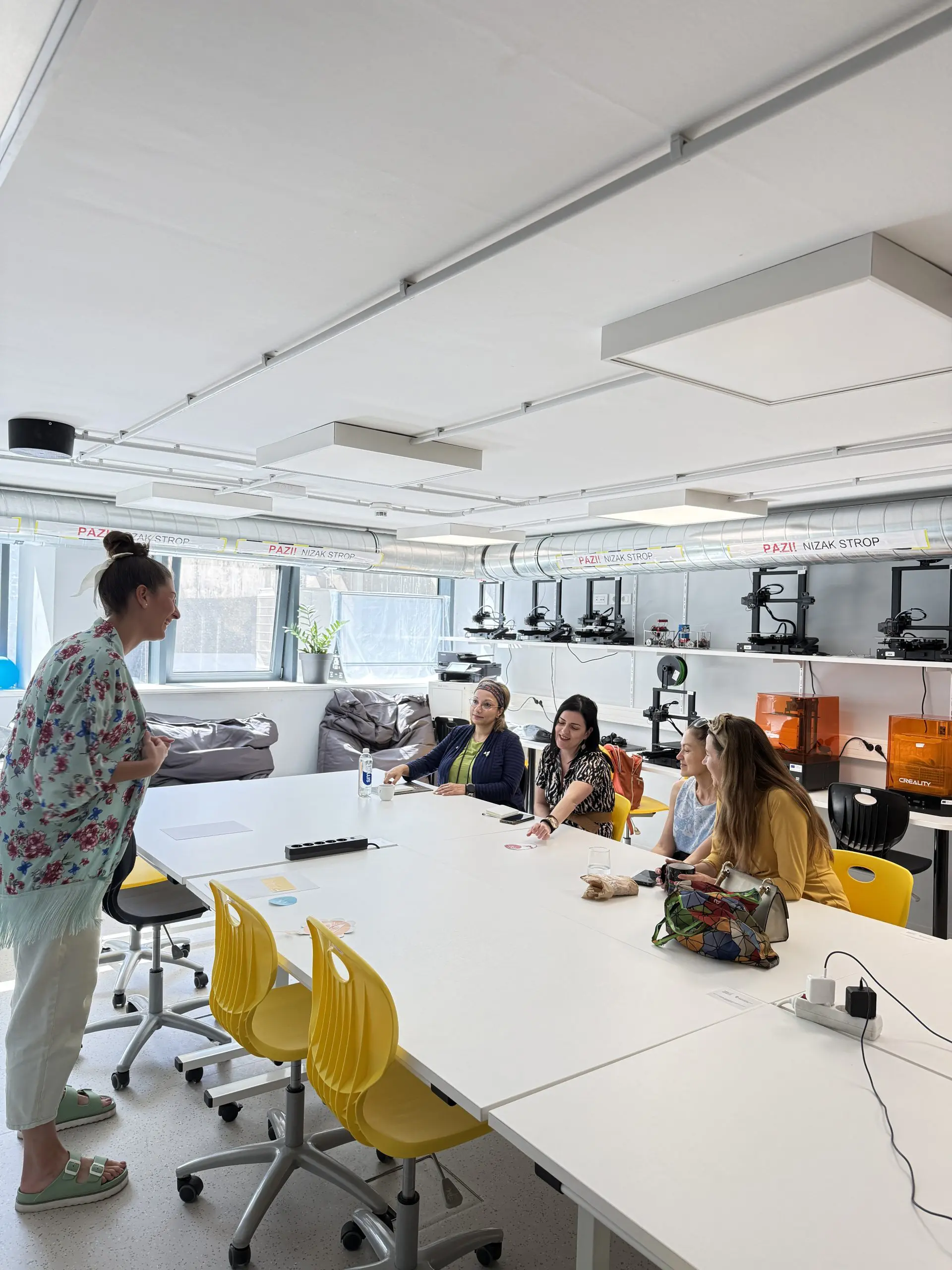
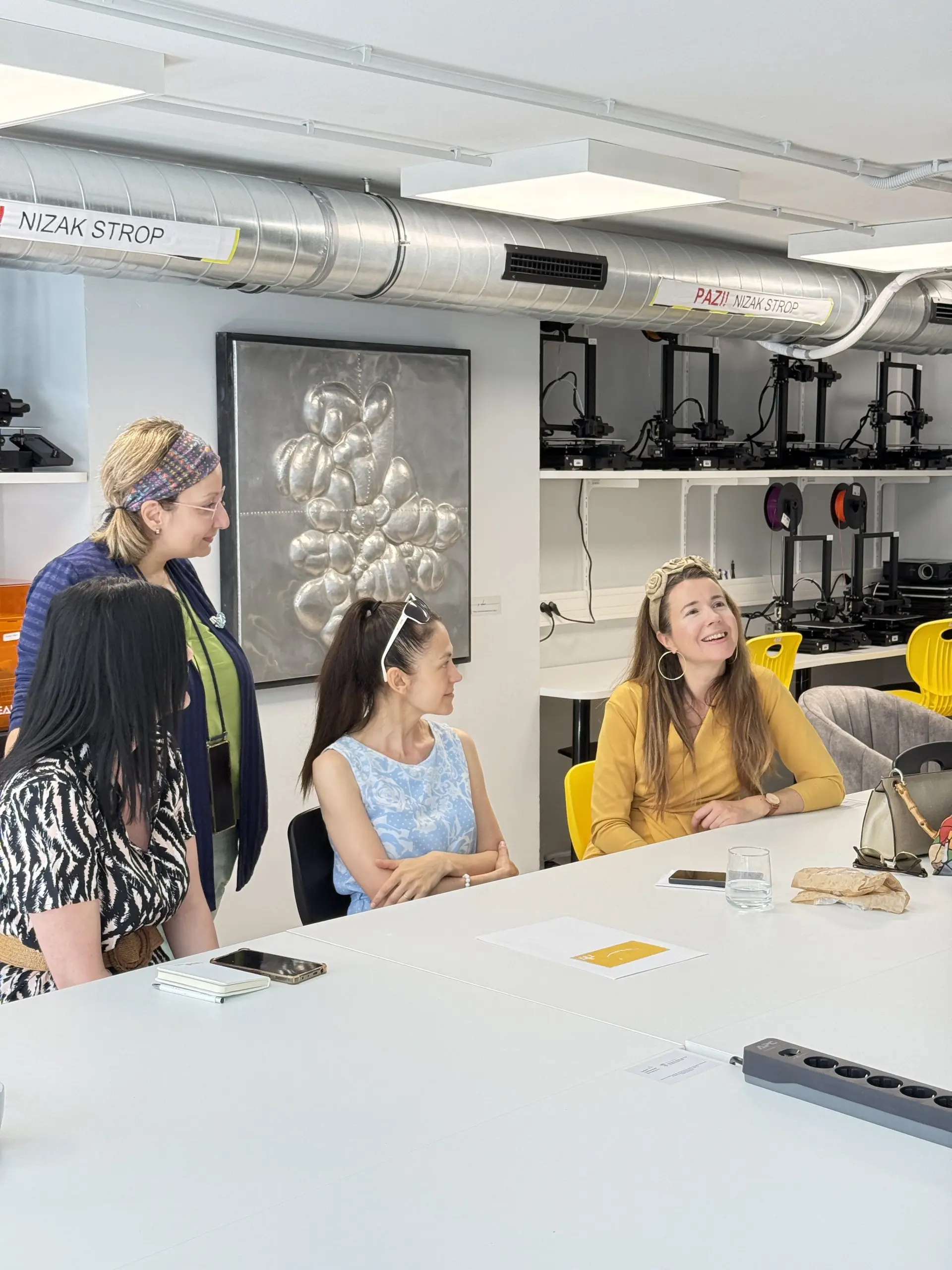
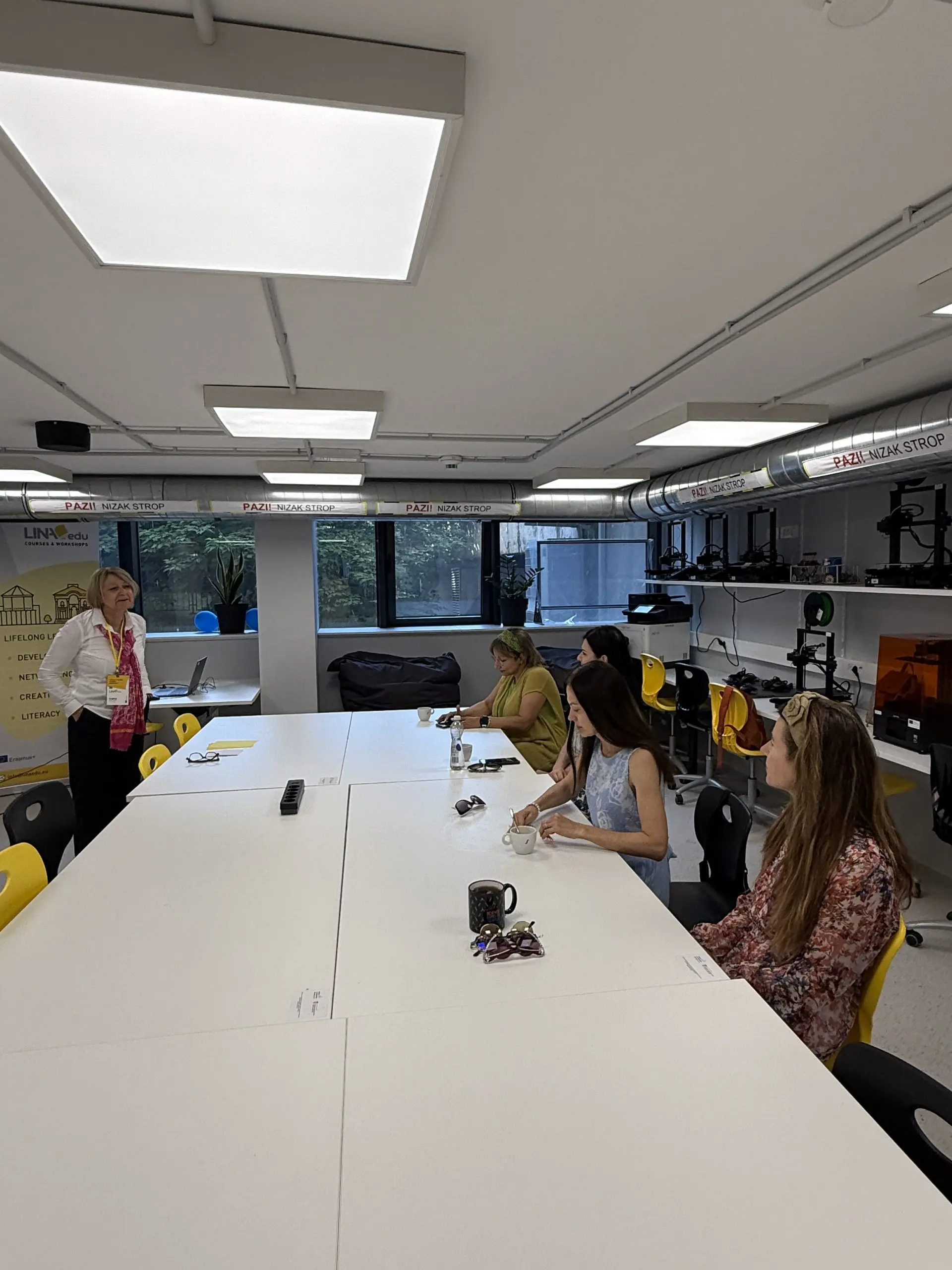
After these two insightful job-shadowing visits, participants returned to the Centre of Excellence of Split-Dalmatia County, where the course programme continued. As a modern educational centre equipped with advanced learning technologies, it provided an inspiring environment for collaboration, creativity, and professional growth.
Then, we shifted our attention to sound-based storytelling. Participants listened to music, analysing how sound shapes mood, atmosphere, and narrative. Using music as inspiration, they transformed emotions and auditory impressions into vivid written short texts. The activity highlighted the close relationship between imagination, sensory experience, and creative writing.
Finding Your Voice Through Storytelling
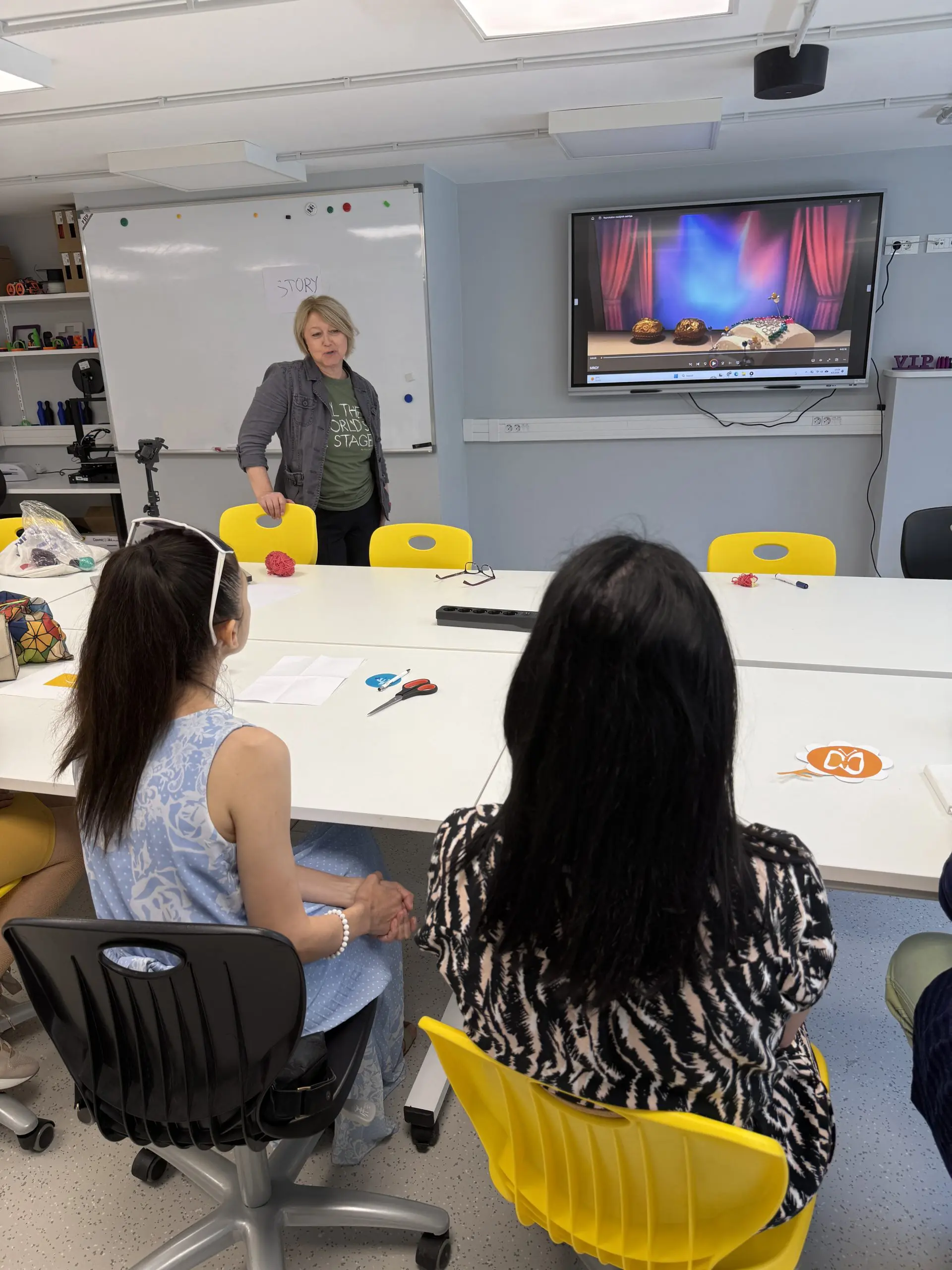
Day three explored storytelling from a performance perspective. Through activities focusing on non-verbal communication, public speaking, and storytelling structure, participants discovered how body language, gestures, tone of voice, and emotion influence the impact of a story.
Using literary texts and retelling exercises inspired by world and Croatian literature, teachers experimented with different storytelling techniques while developing confidence as speakers and performers. Practical activities encouraged participants to practise their performing skills and understand the basis of storytelling, which is imagery and emotion.
One of the key ideas explored was that memorable stories are those that create emotional connections, become meaningful symbols, and remain easy to remember. These discussions sparked valuable reflections on how educators can make learning experiences more engaging and meaningful for students.
From Storyboards to Stop-Motion Films
Midweek, the focus shifted from storytelling to story-making.
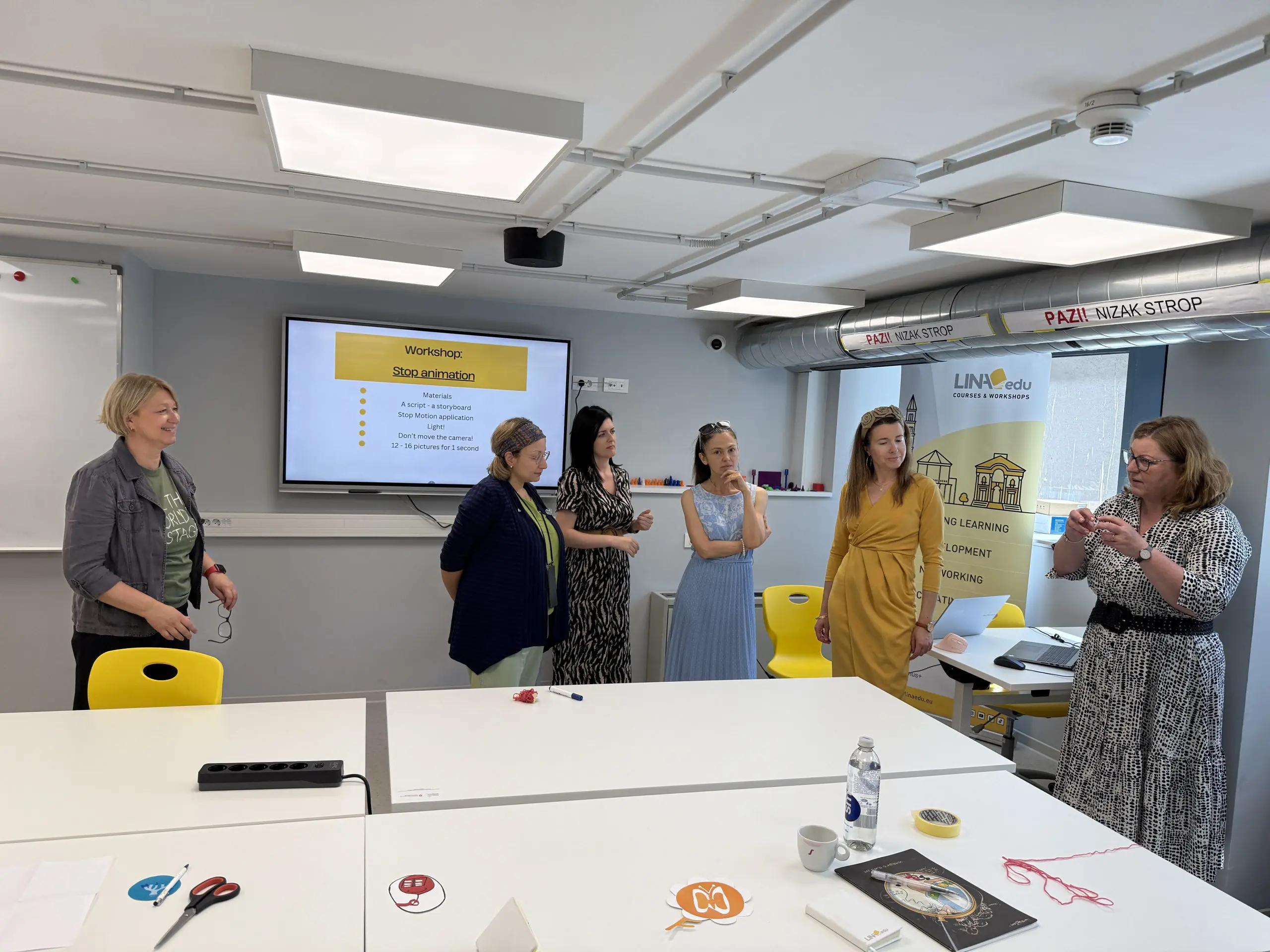
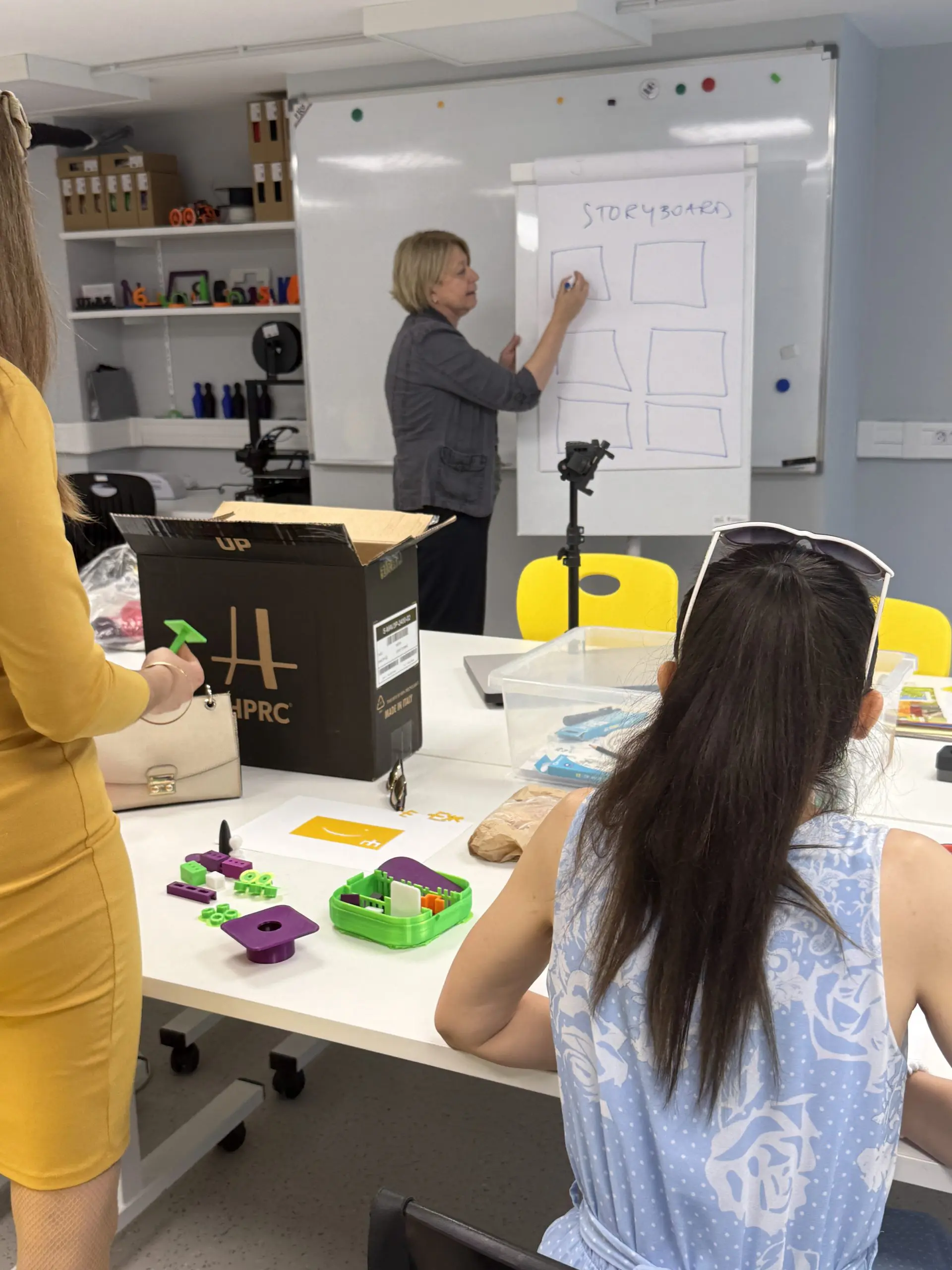
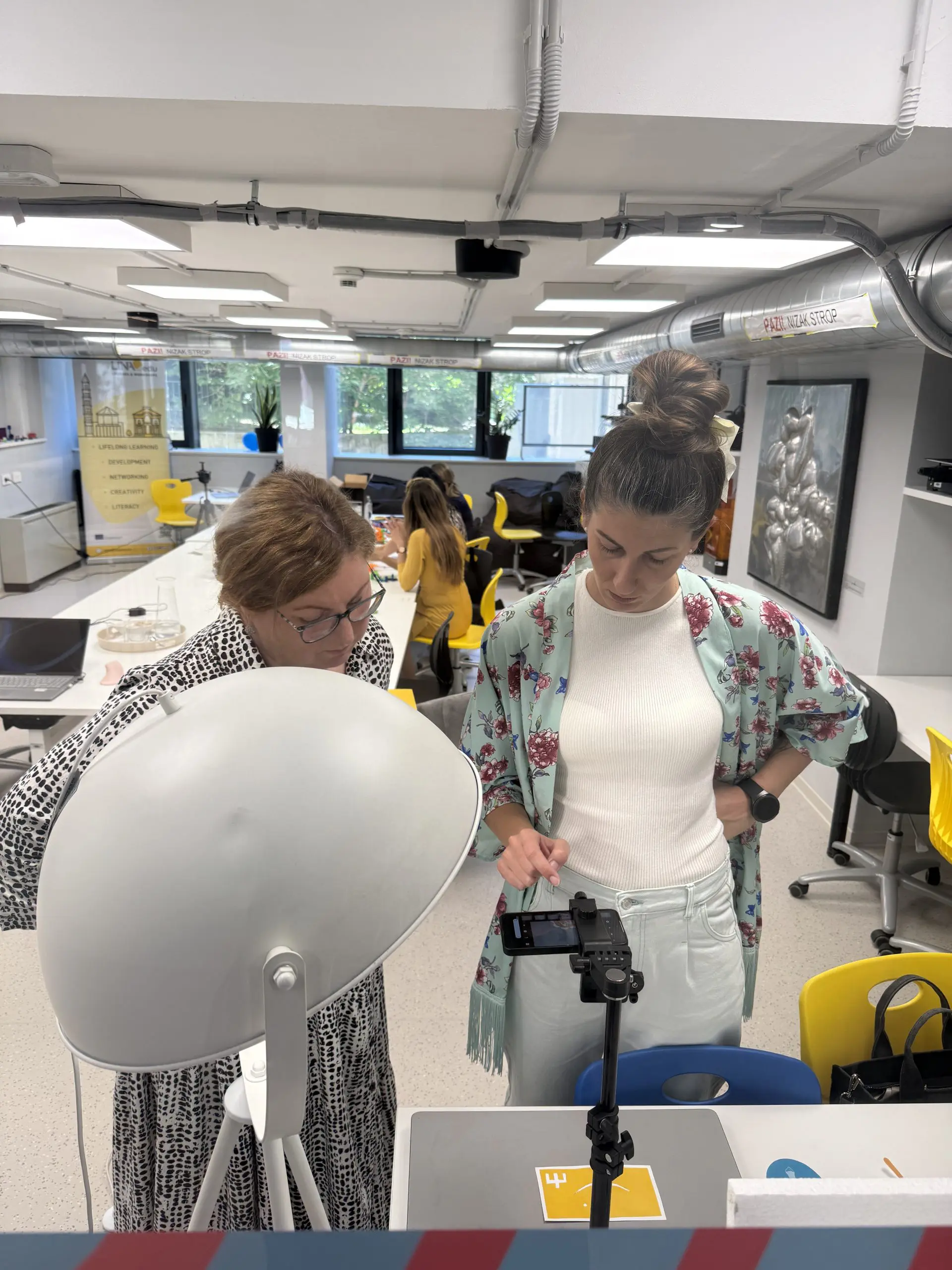
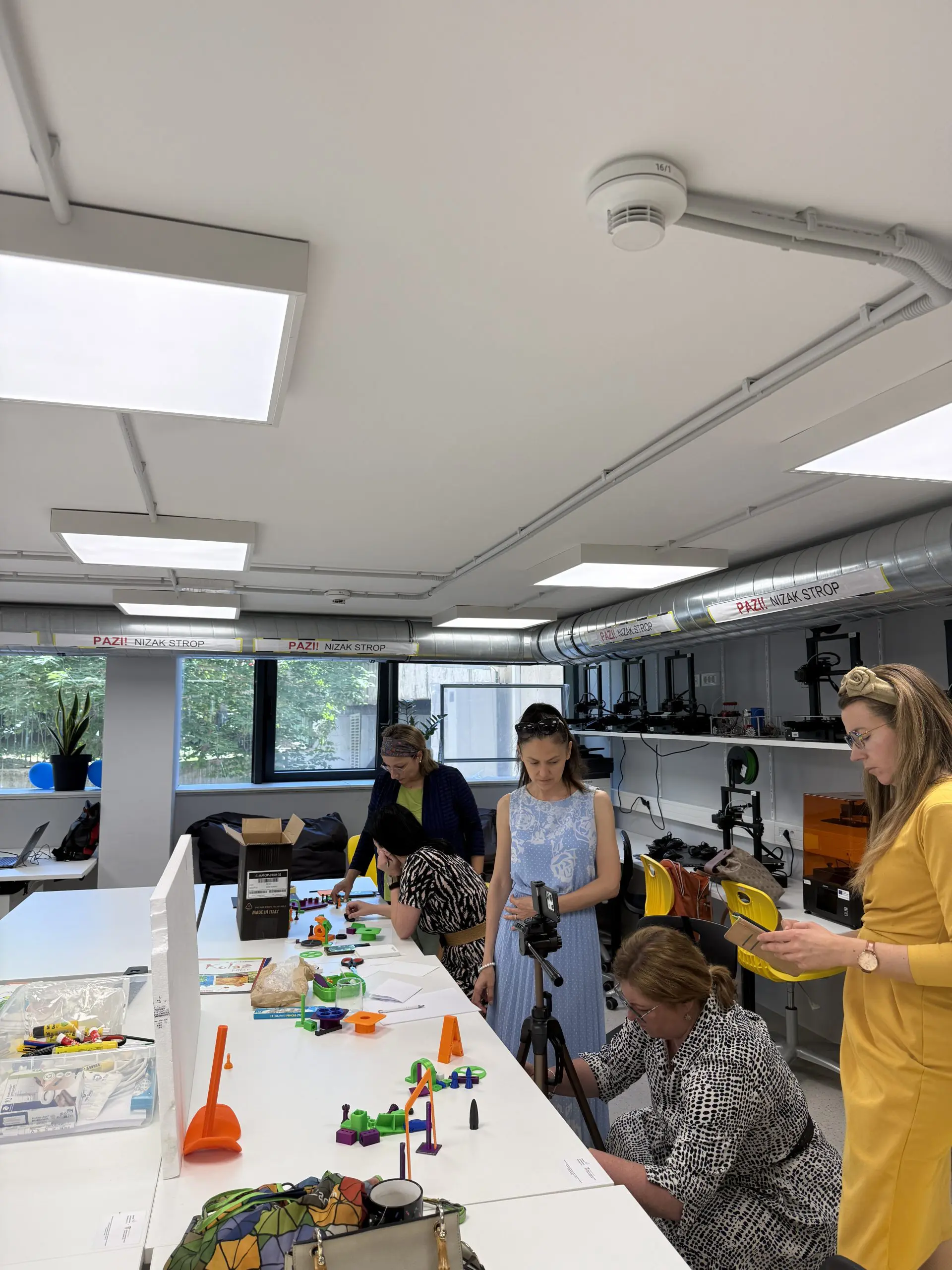
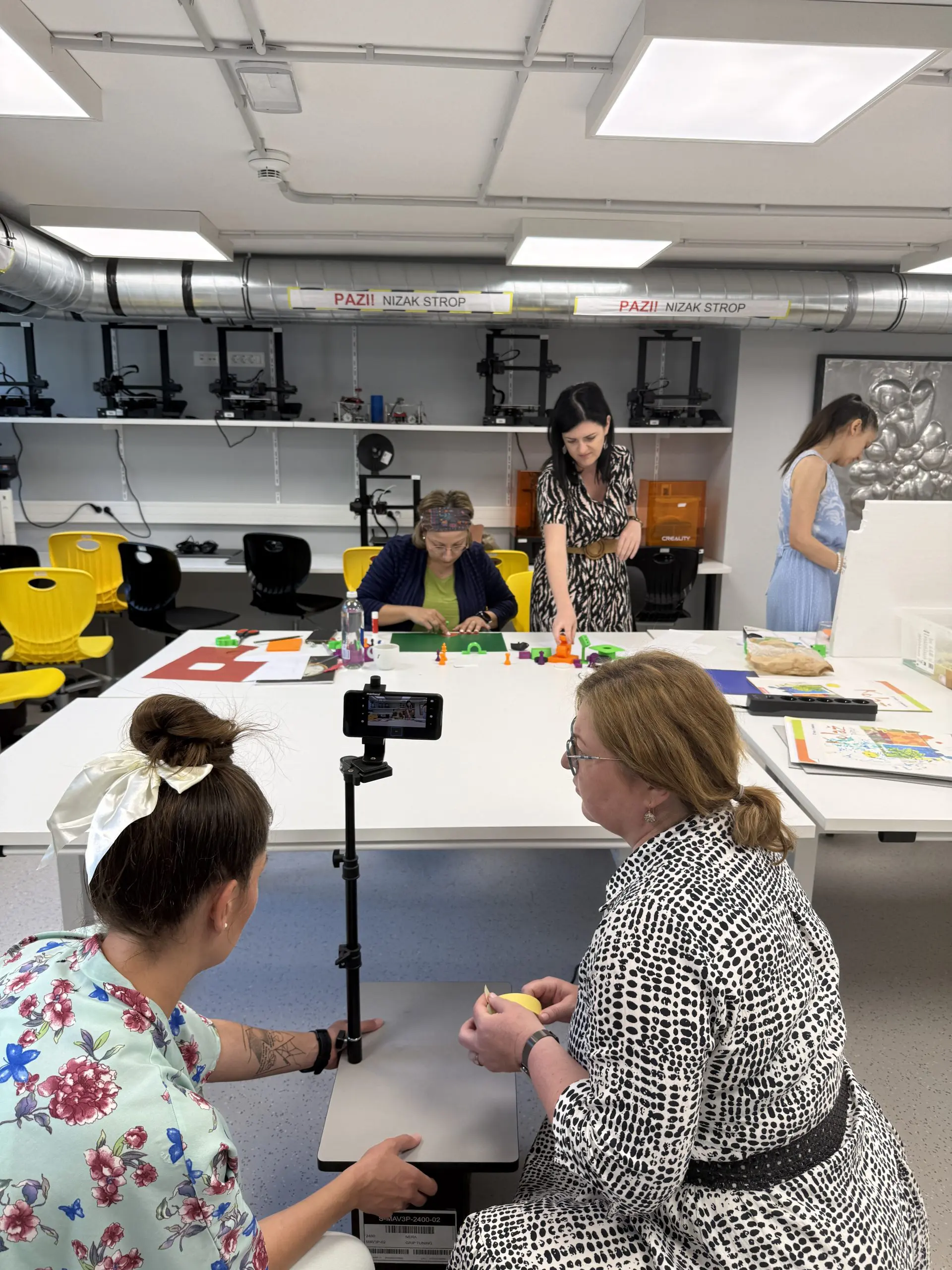
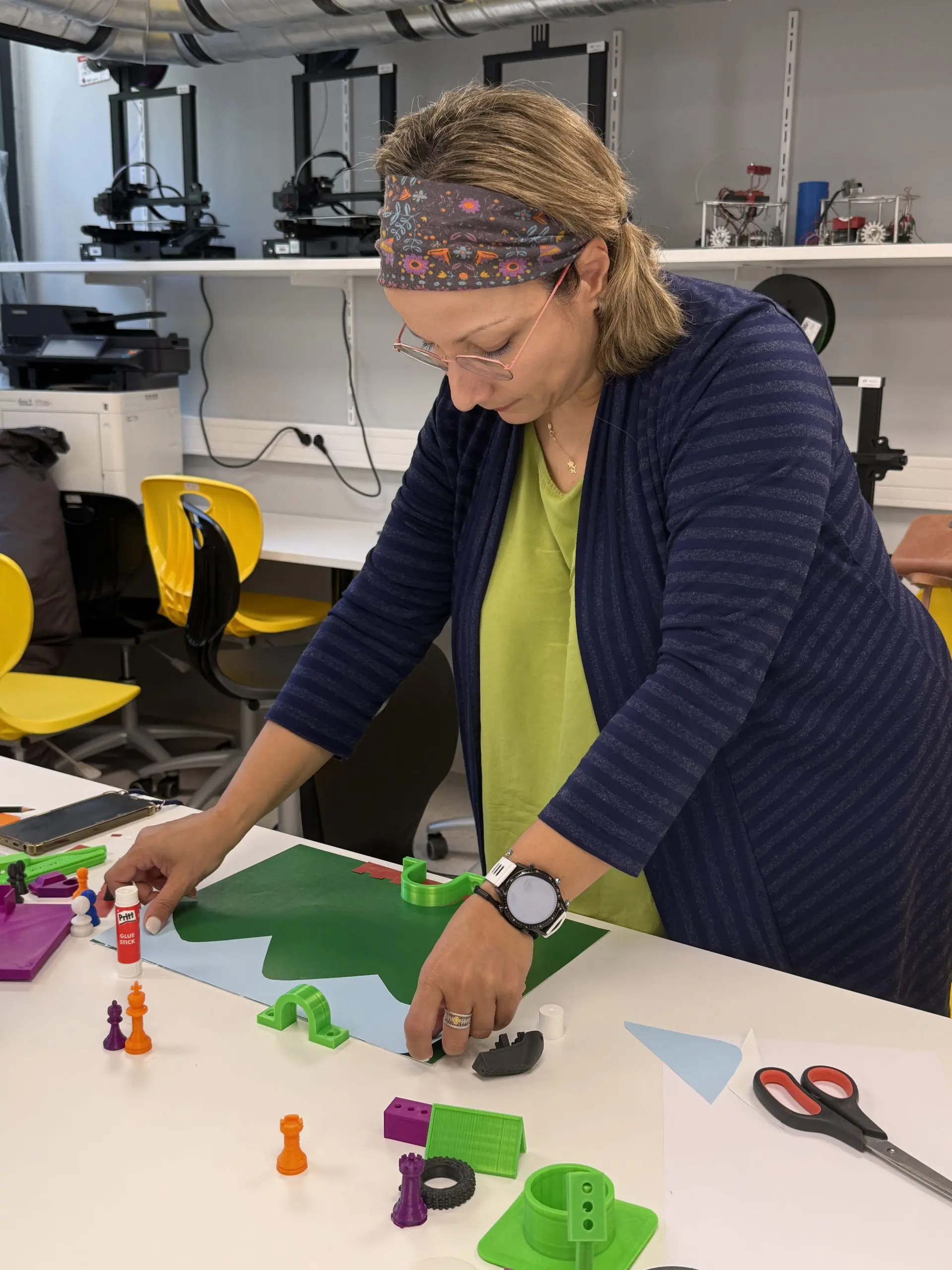
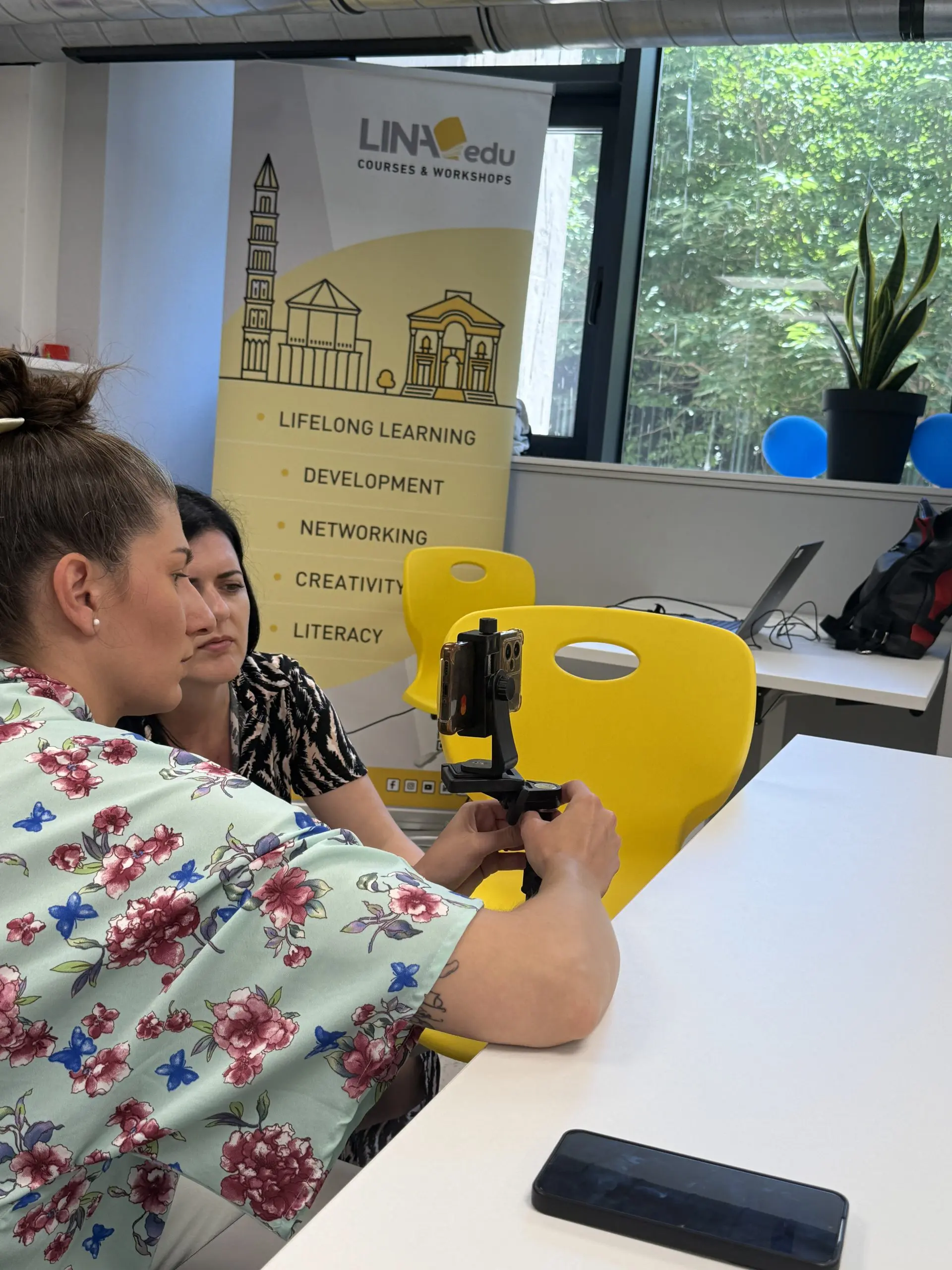
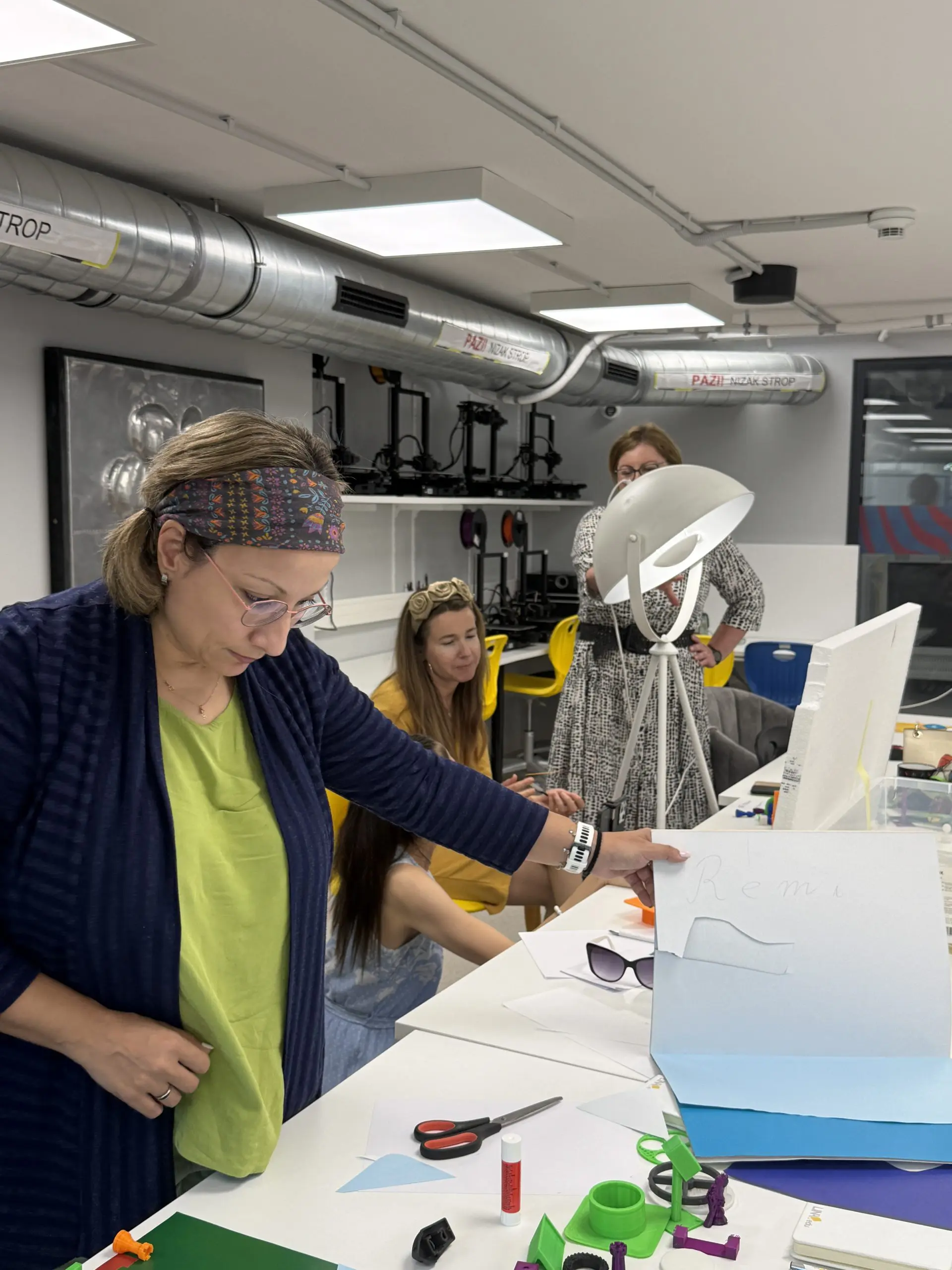
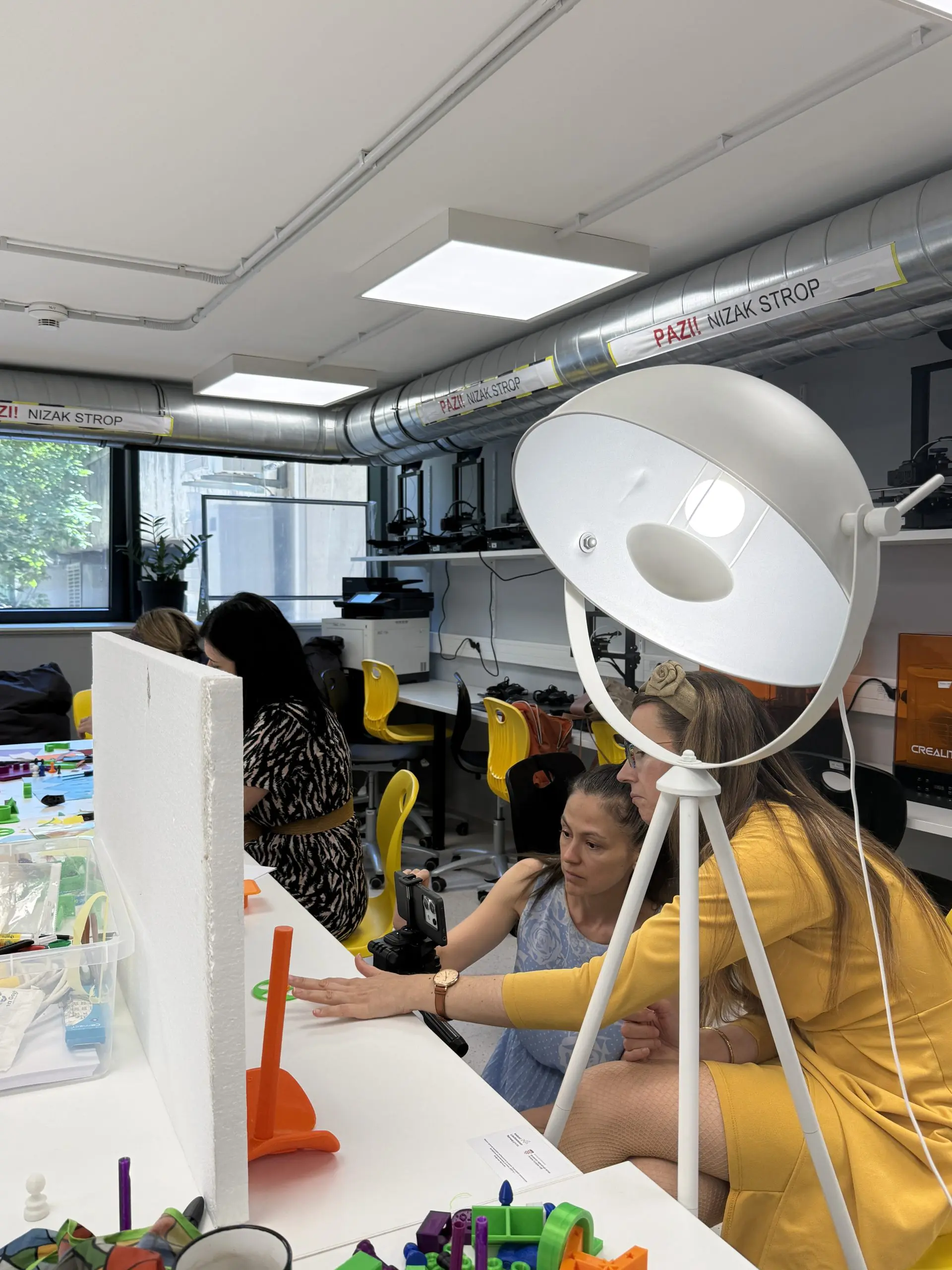
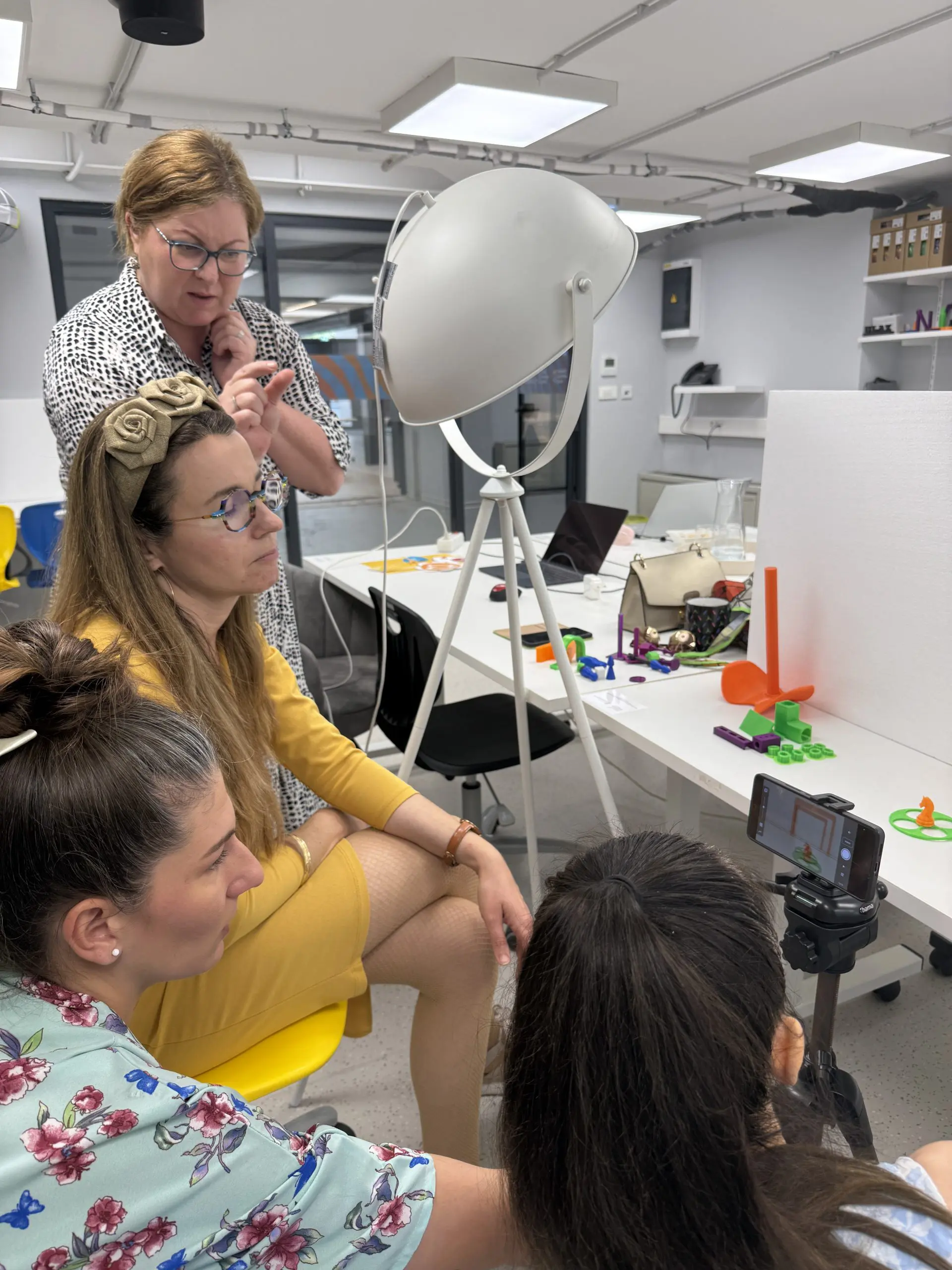
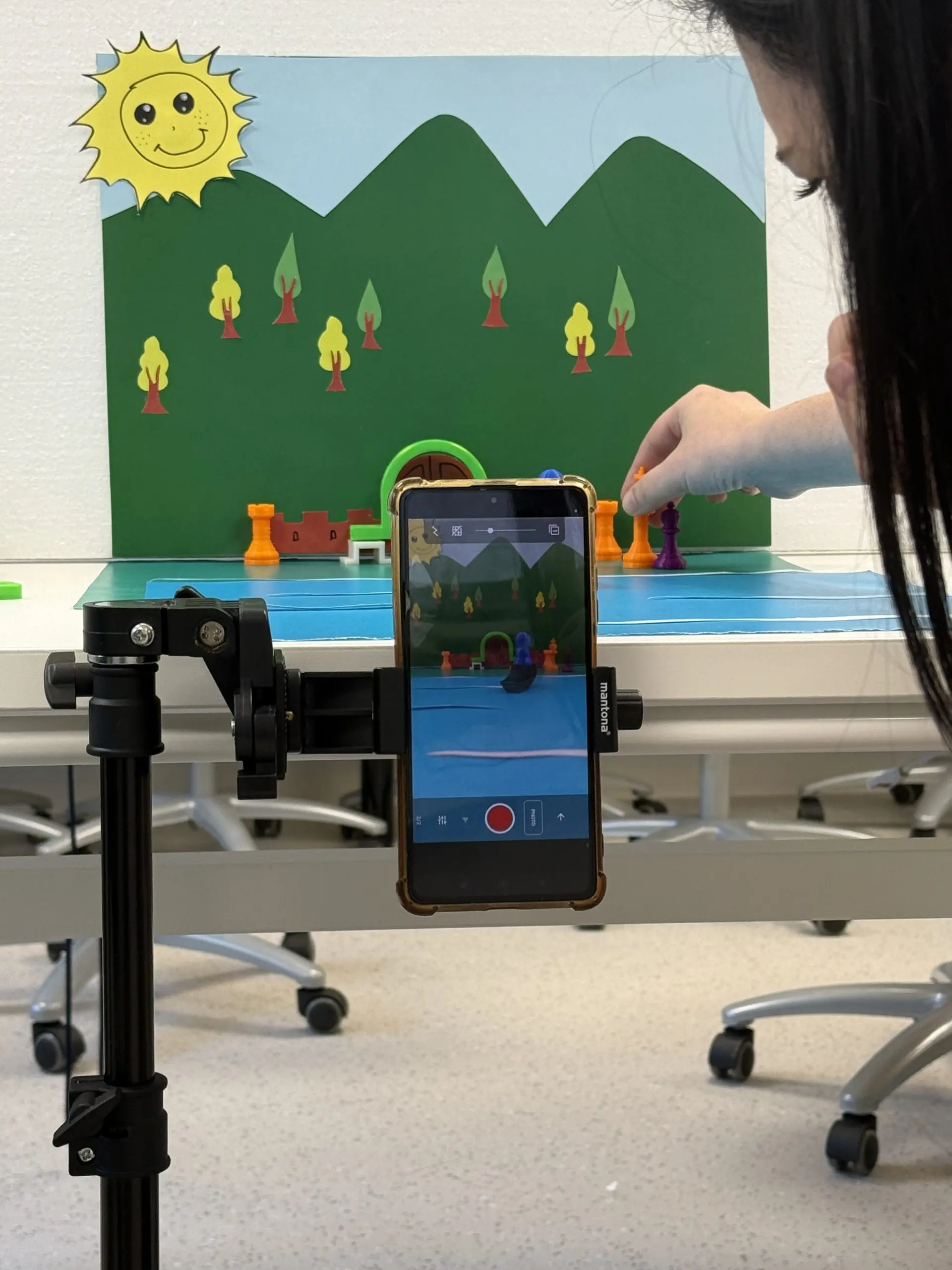
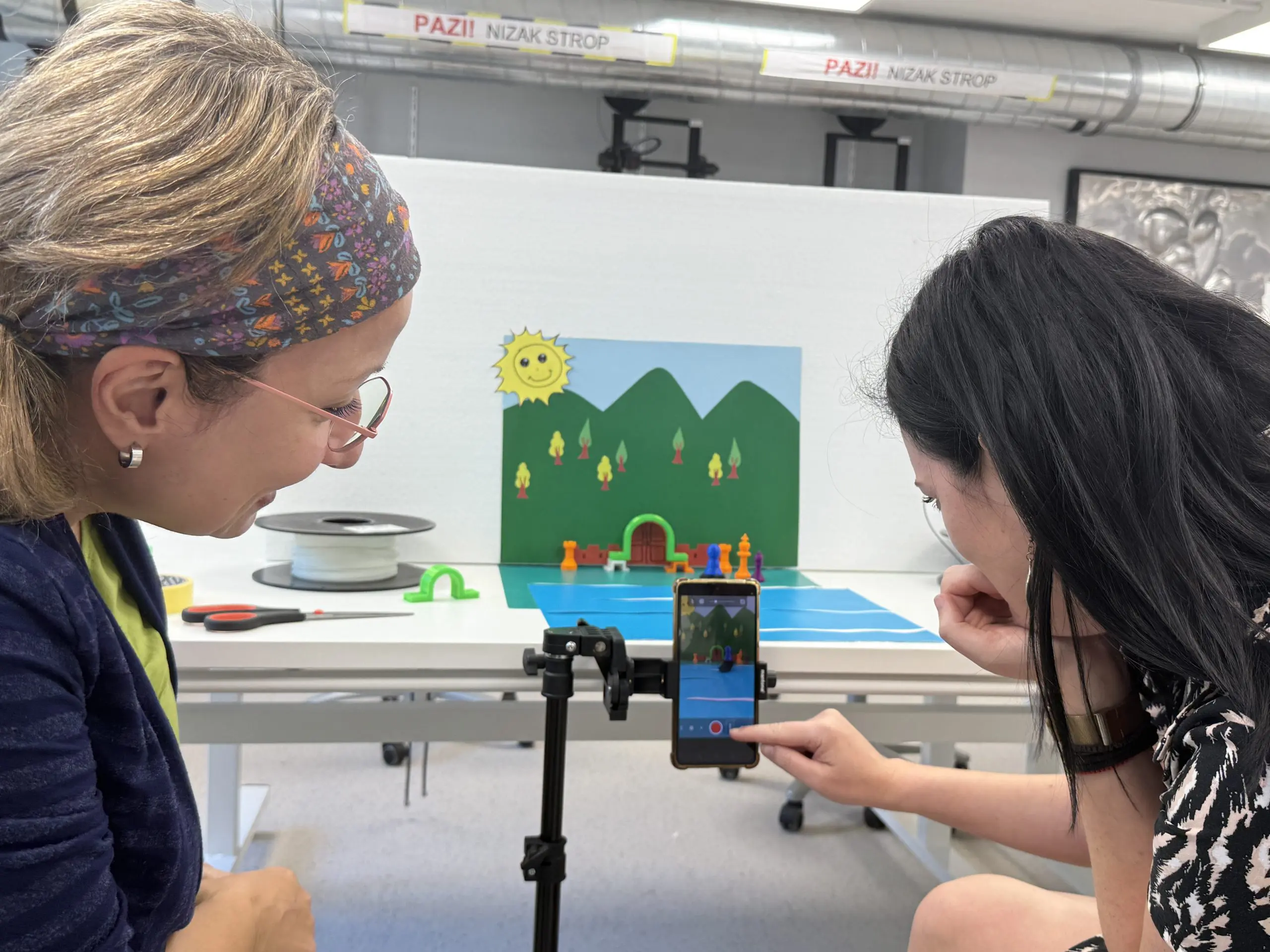
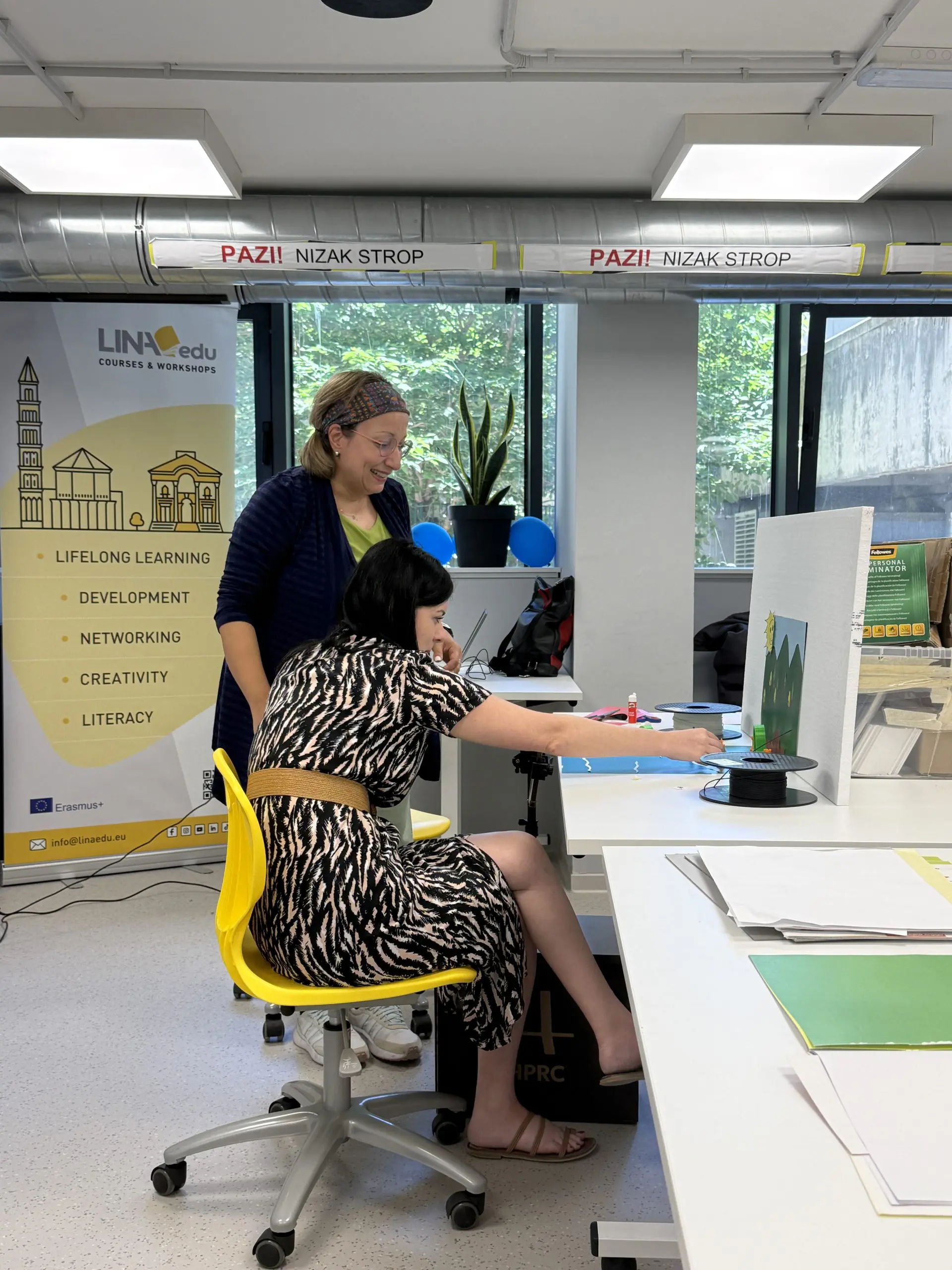
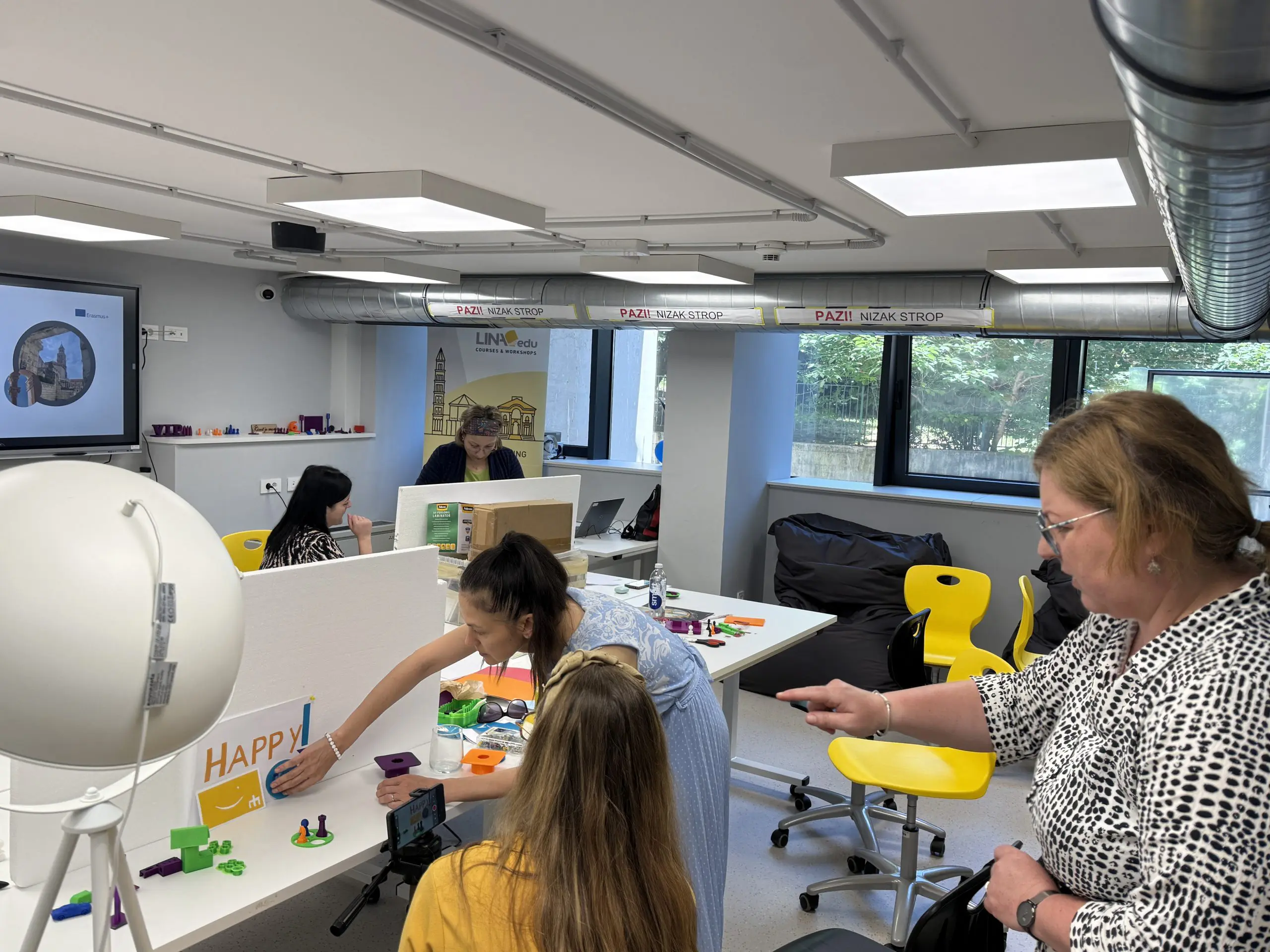
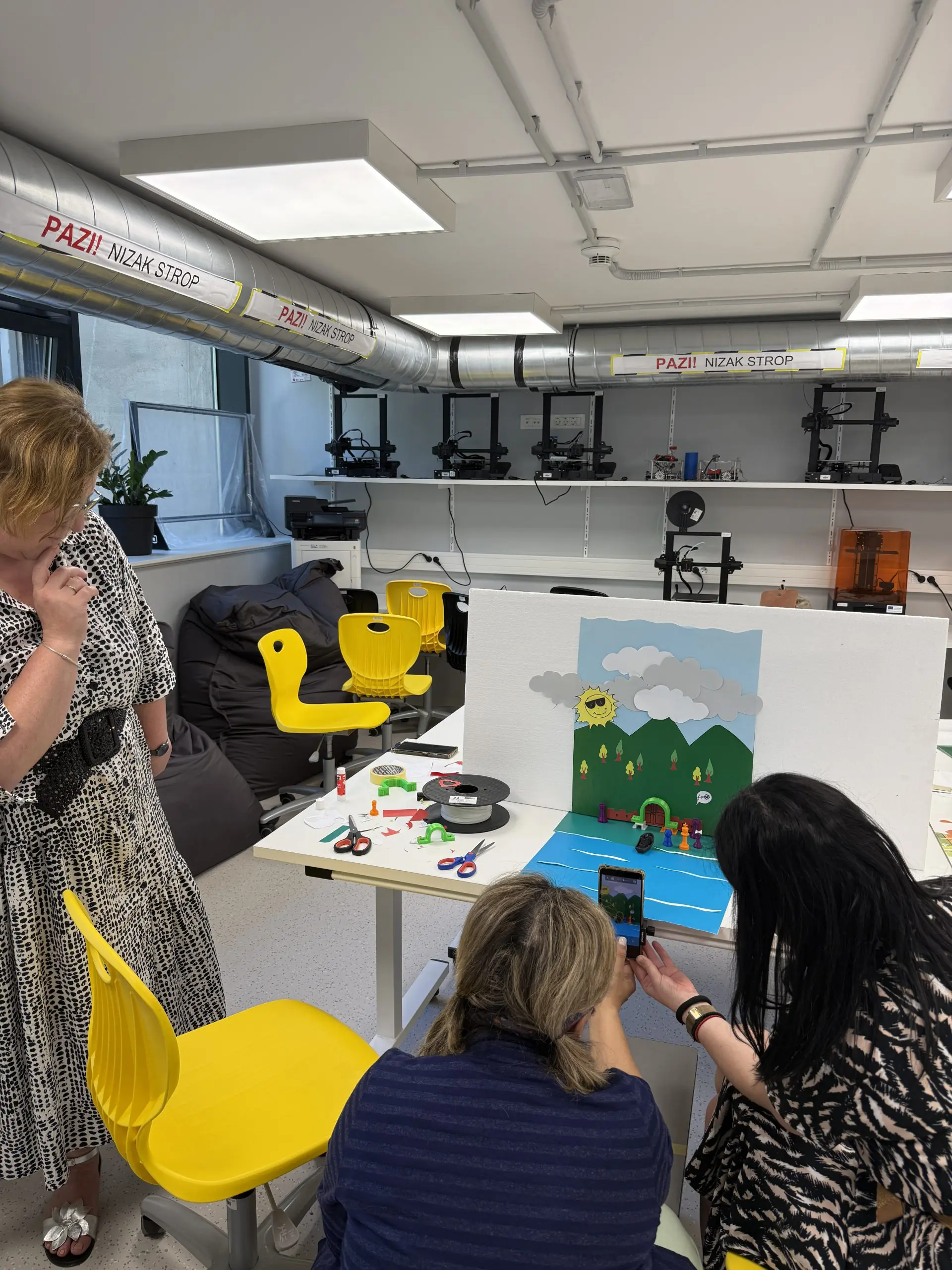
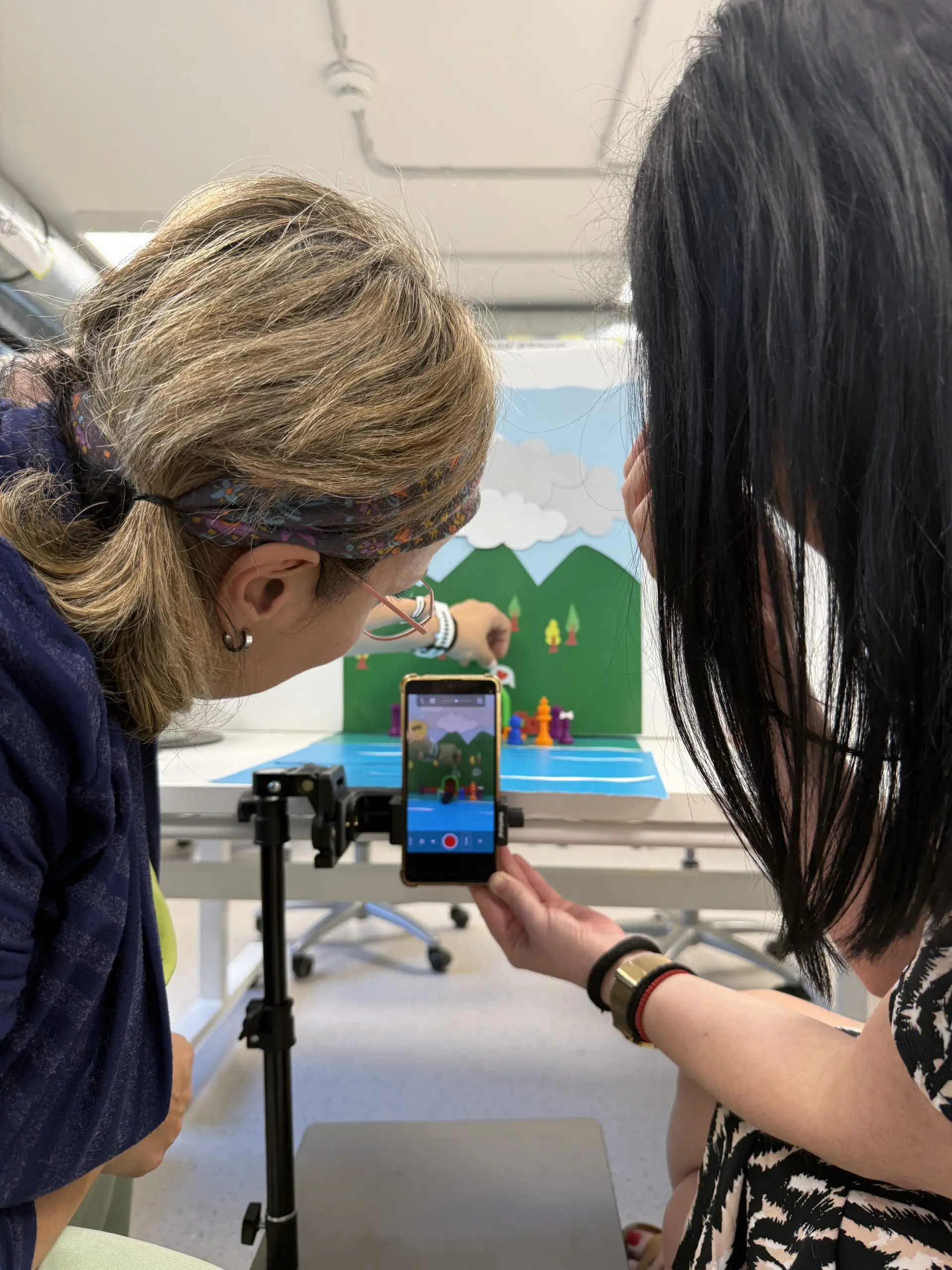
Participants worked collaboratively to develop scripts, design storyboards, and create their own stop-motion animations. This hands-on process demonstrated how storytelling can be combined with digital creativity, problem-solving, and teamwork.
The stop-motion workshop required careful planning, patience, and attention to detail. Participants quickly realised that every movement, image, and scene contributes to the final narrative. By experiencing the production process themselves, they gained practical ideas for implementing digital storytelling projects in their own classrooms, regardless of subject area.
Discovering Split Through Stories
The final day brought storytelling into the streets of Split through an outdoor field class and gamified learning experience.
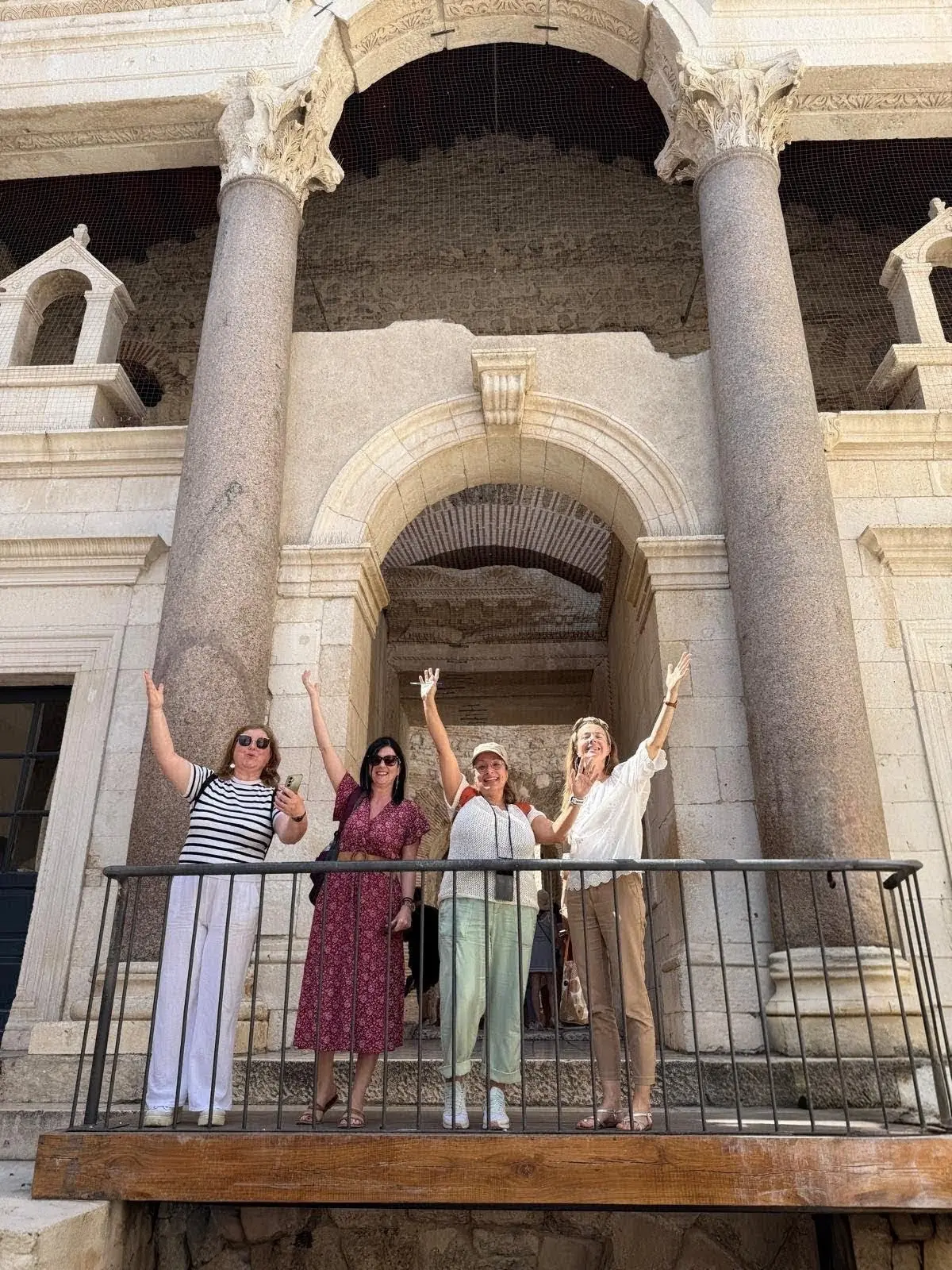
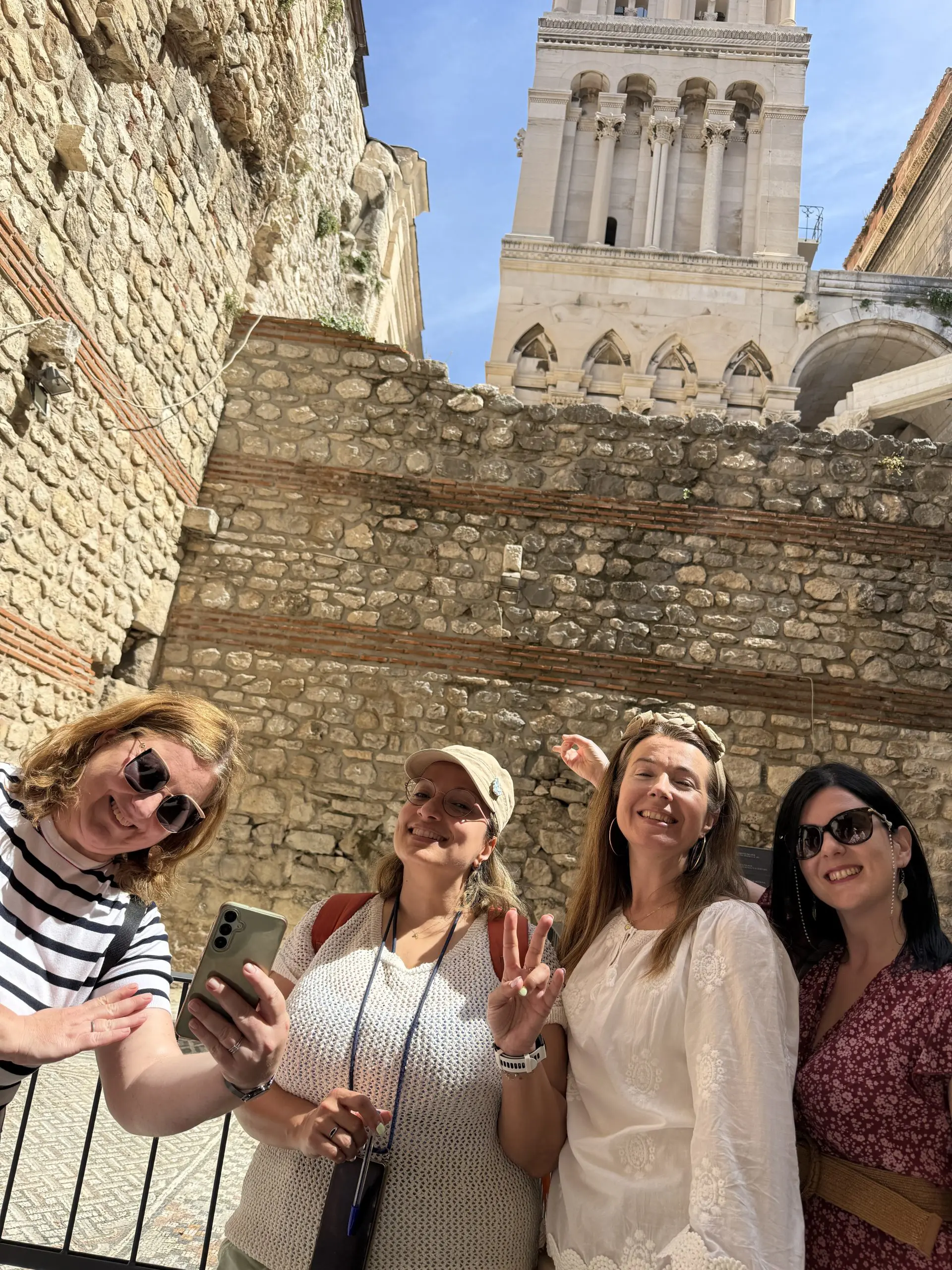
Working in teams, participants took part in a city-wide scavenger hunt that challenged them to explore cultural heritage, solve tasks, and collaborate creatively. Historical sites, local stories, and urban spaces became sources of inspiration for new narratives and learning activities.
The experience demonstrated how cultural heritage can become a powerful storytelling resource that connects history, language learning, civic education, and digital literacy. By transforming real locations into learning environments, participants experienced first-hand how field-based storytelling can increase engagement and motivation.
The week concluded with the creation of short promotional videos inspired by the theme “I hope you SEE what I MEAN.” Combining visual storytelling, digital tools, and collaborative creativity, participants produced engaging content while reflecting on how social media formats can be adapted for educational purposes.
Reflections and Takeaways
Throughout the course, participants experienced storytelling in many forms: visual, oral, literary, performative, auditory, and digital. More importantly, they experienced storytelling as a learning process that encourages curiosity, creativity, empathy, and collaboration.
As educators, we often focus on delivering information. Storytelling reminds us that meaningful learning happens when learners connect emotionally with ideas, experiences, and each other.
By giving students opportunities to create, perform, interpret, and share stories, we help them develop not only academic skills but also confidence, imagination, and a stronger sense of identity.
As the week came to a close, participants left with new tools, fresh inspiration, and practical strategies for bringing storytelling into their classrooms. Most importantly, they left with their own stories – stories of learning, collaboration, creativity, and growth.
And perhaps that is the greatest lesson of all: every classroom already contains countless stories waiting to be told.
The course lead educators:
Kristina Mijandrušić Ladavac, prof.
Ivana Bokavšek, prof.