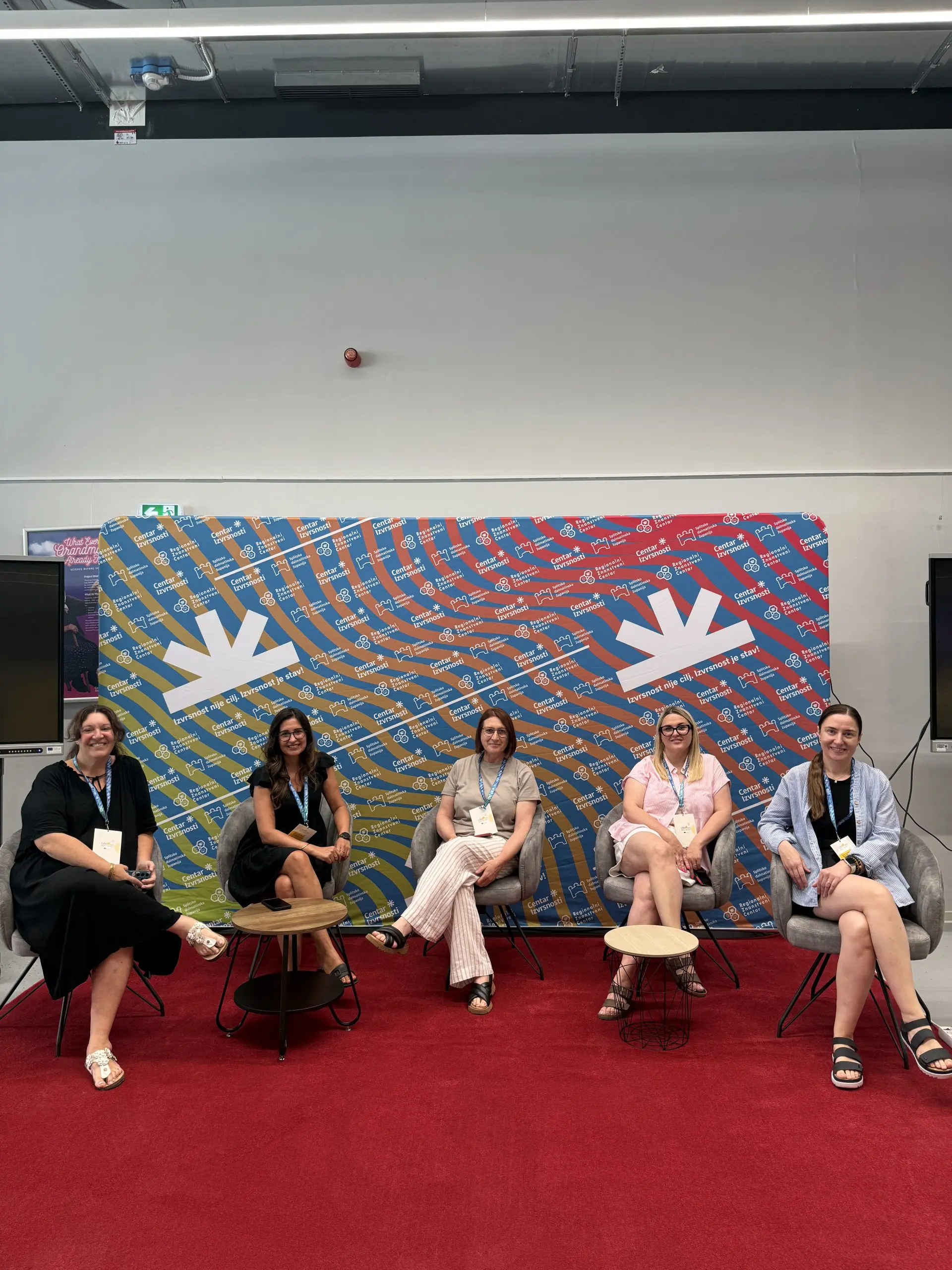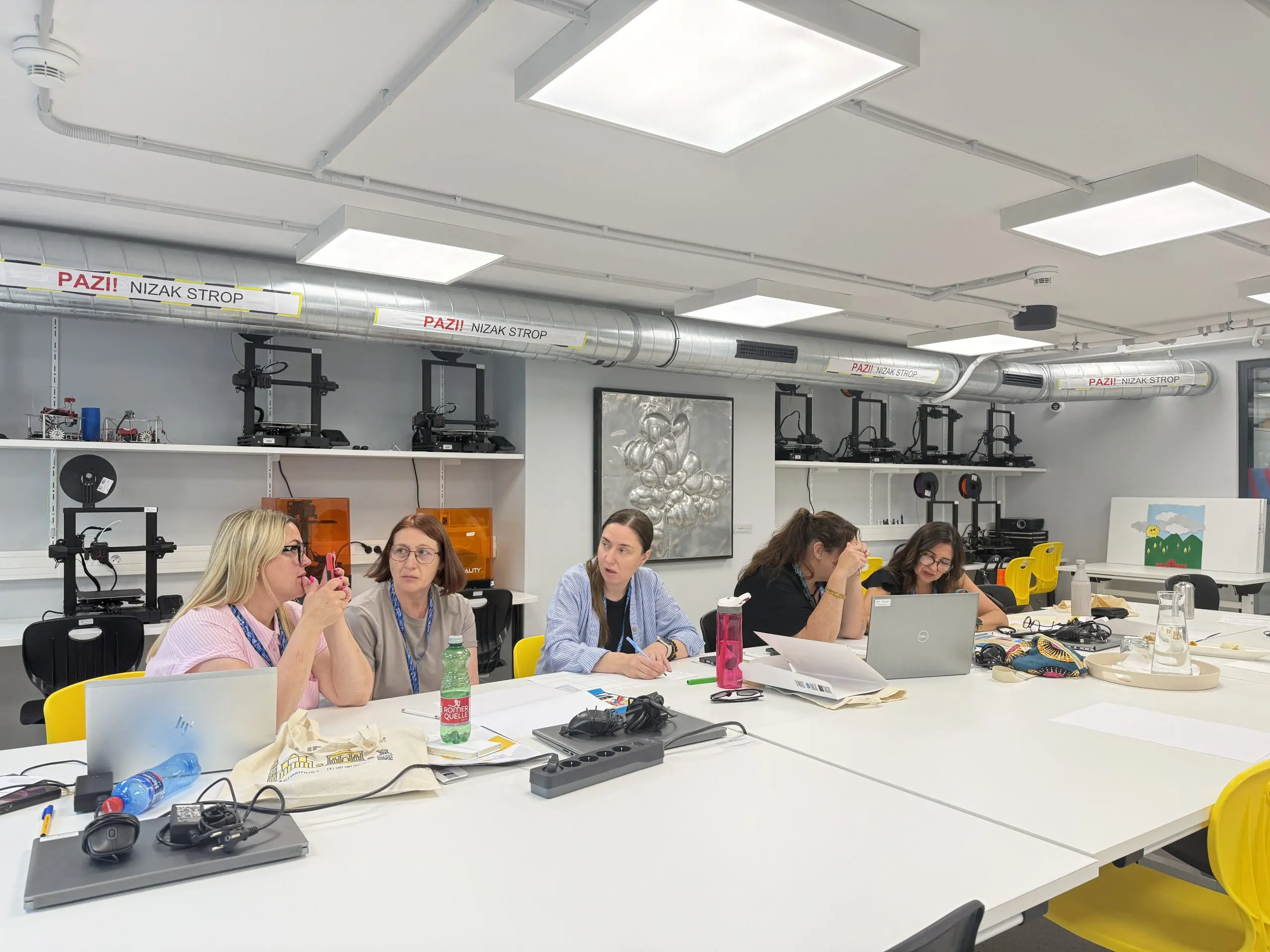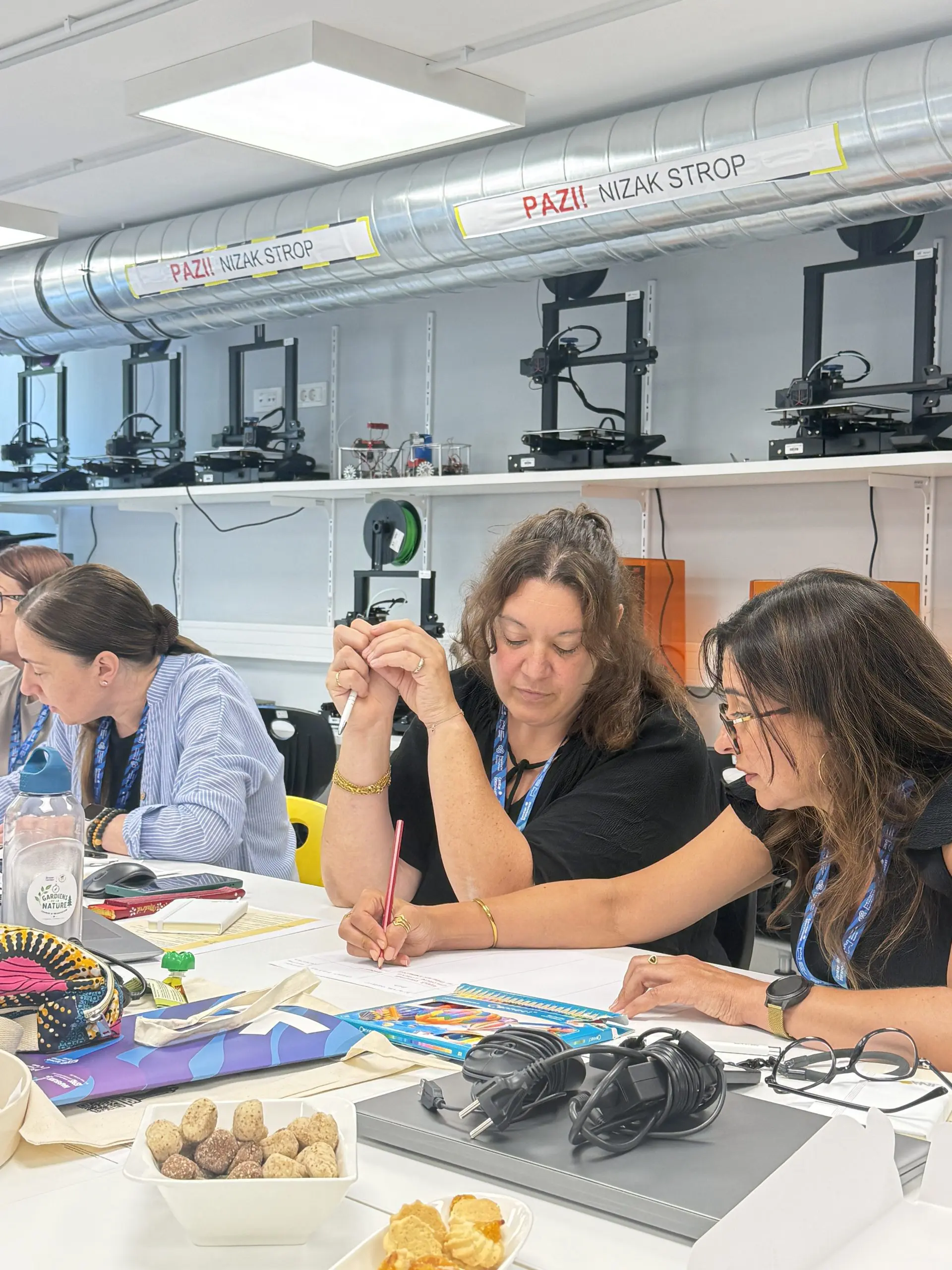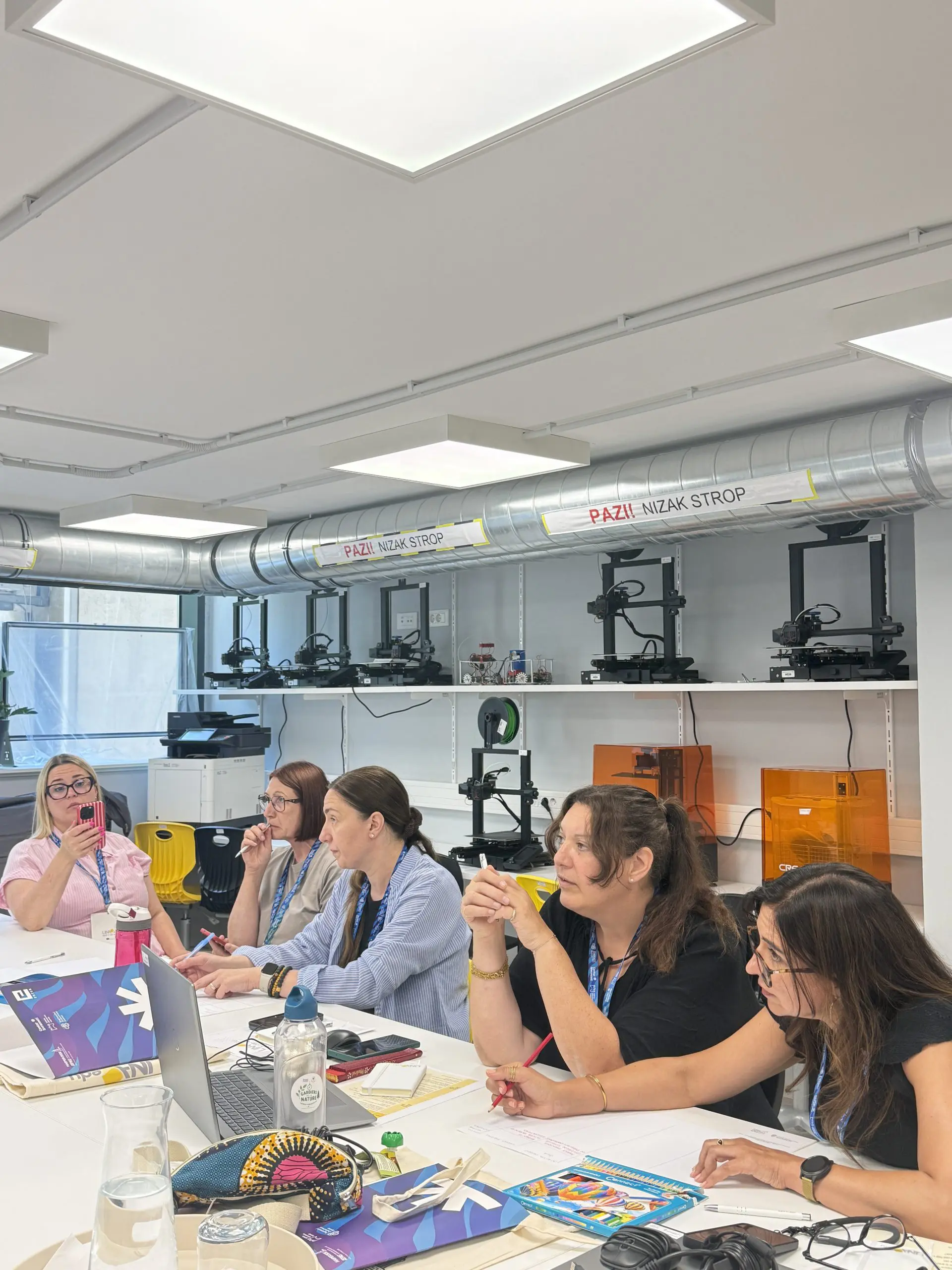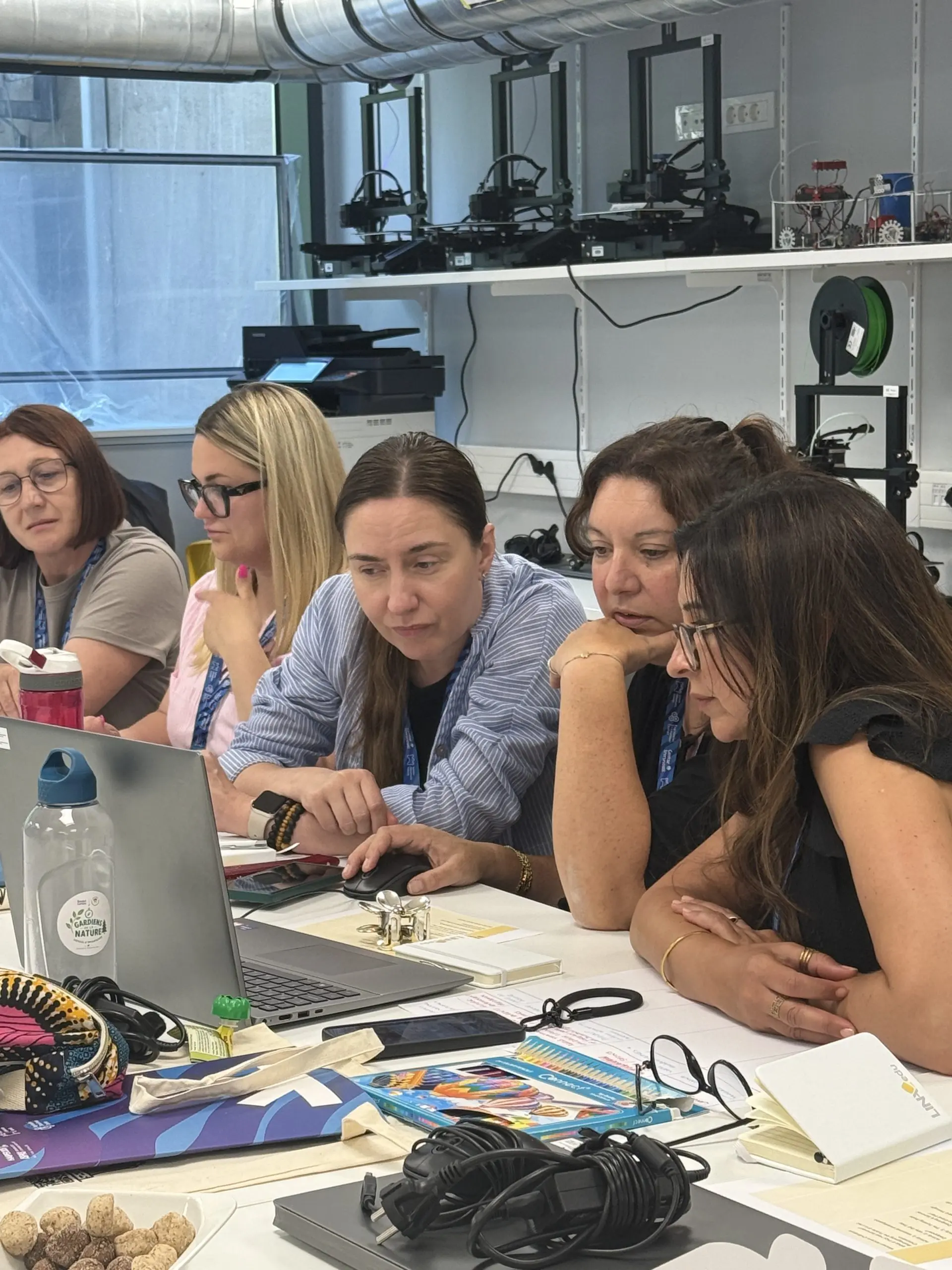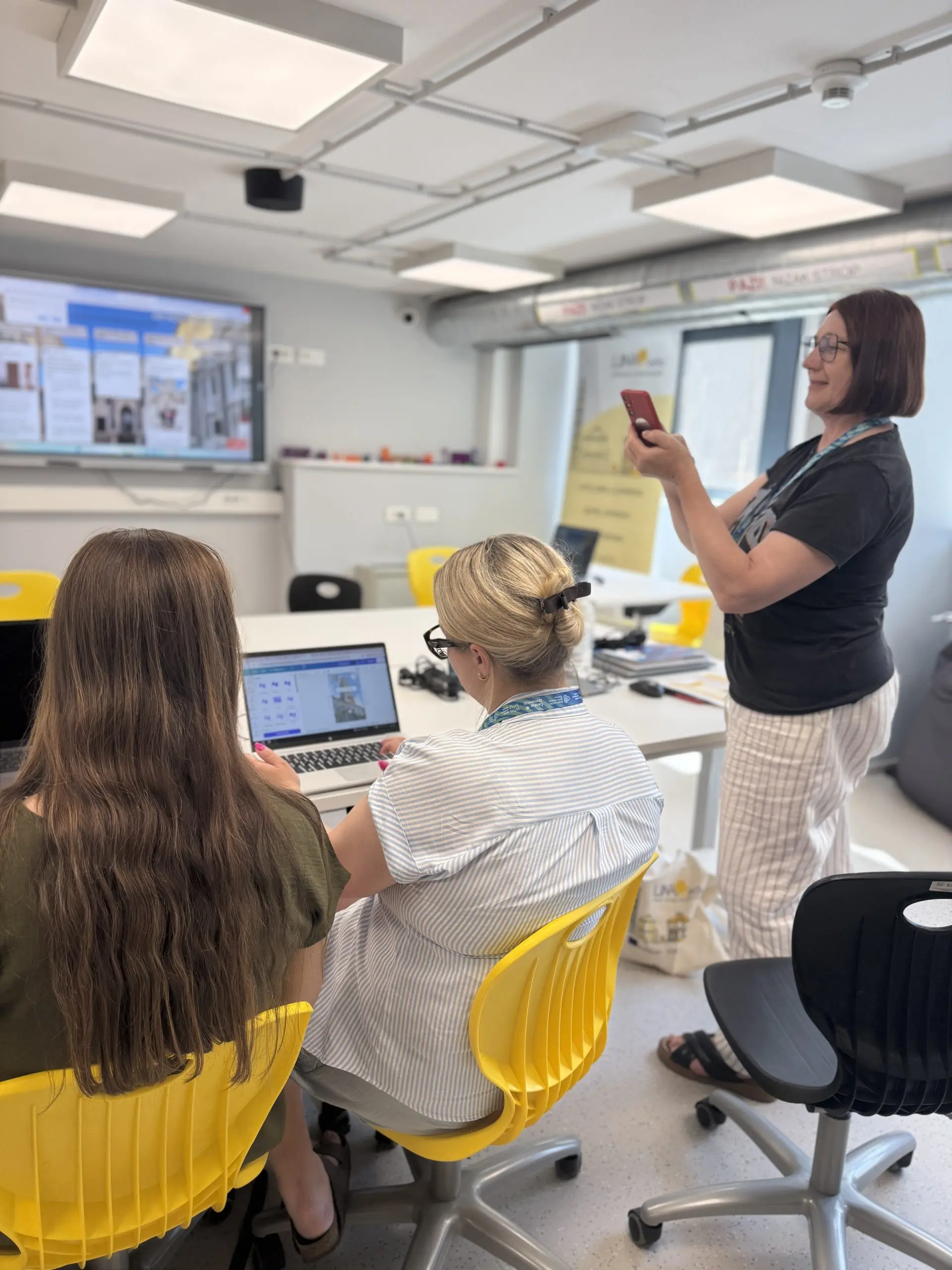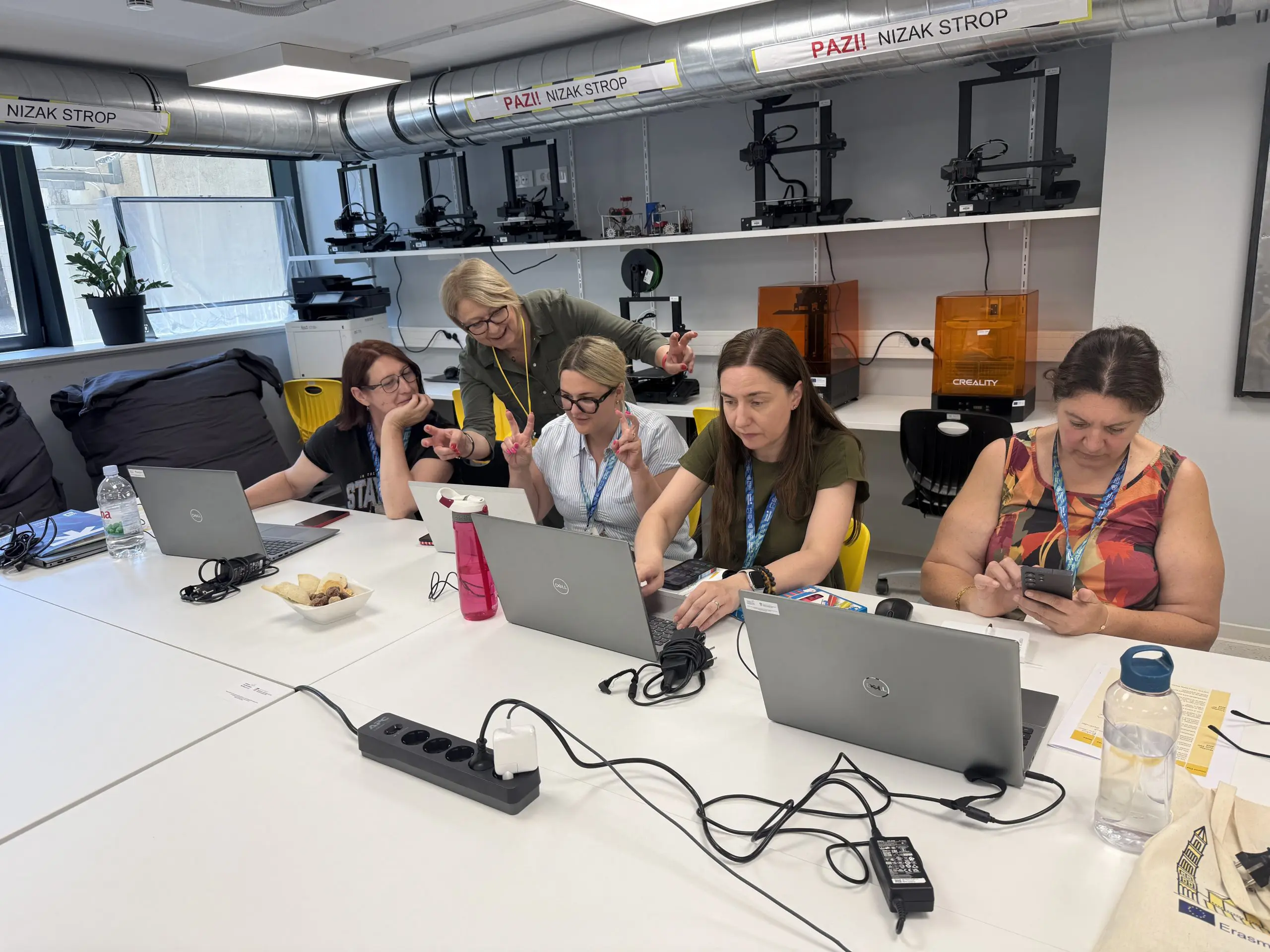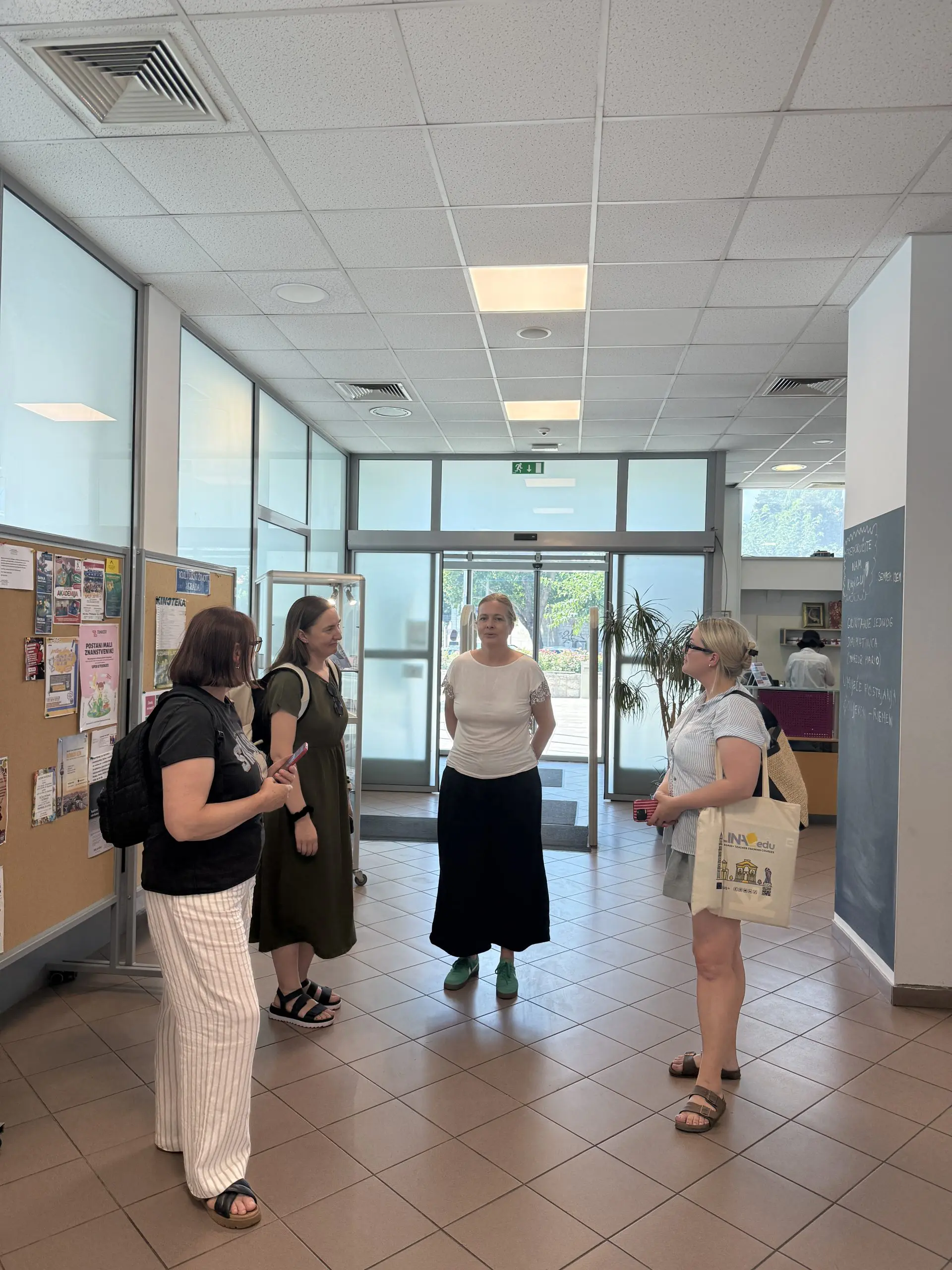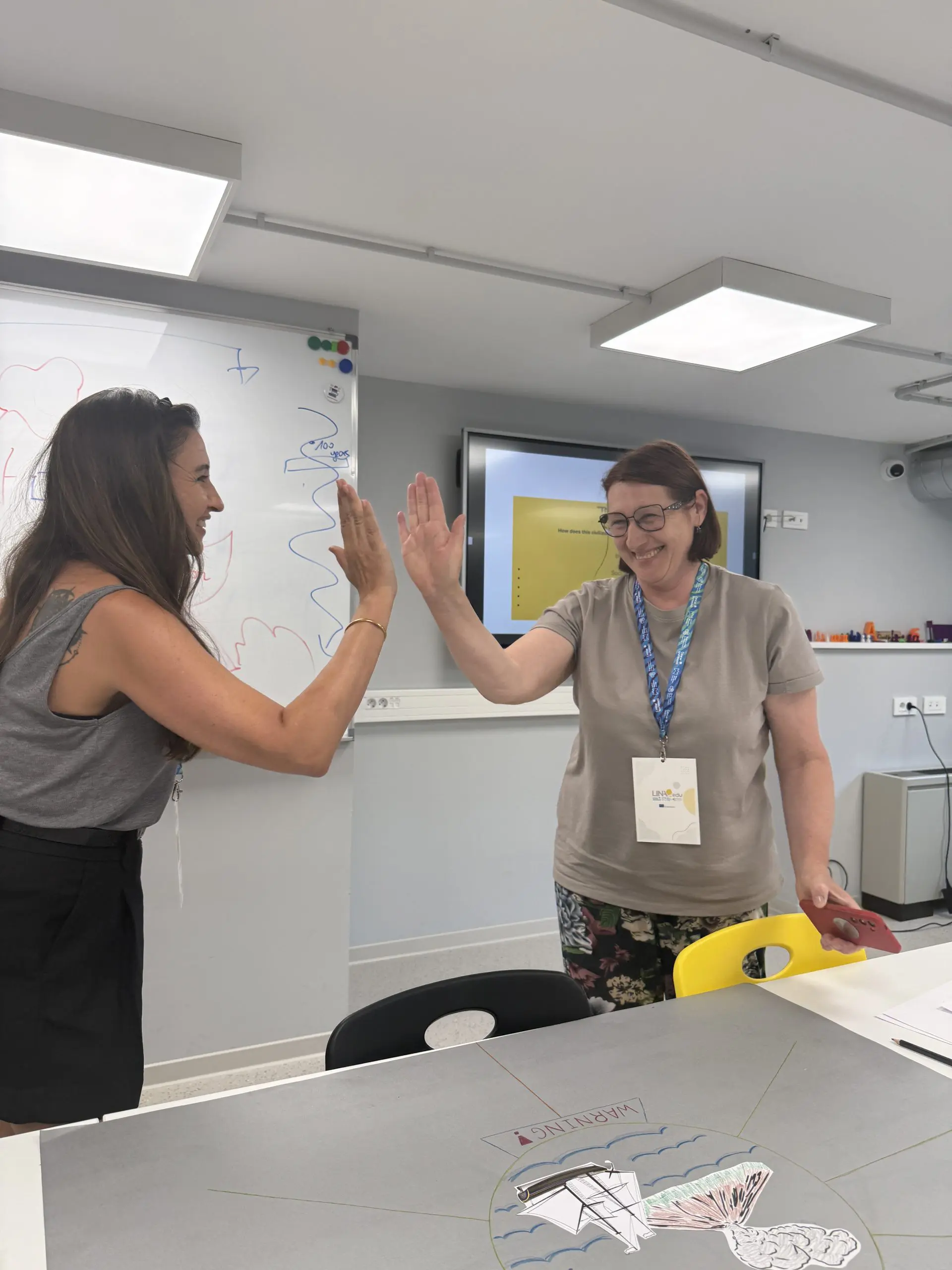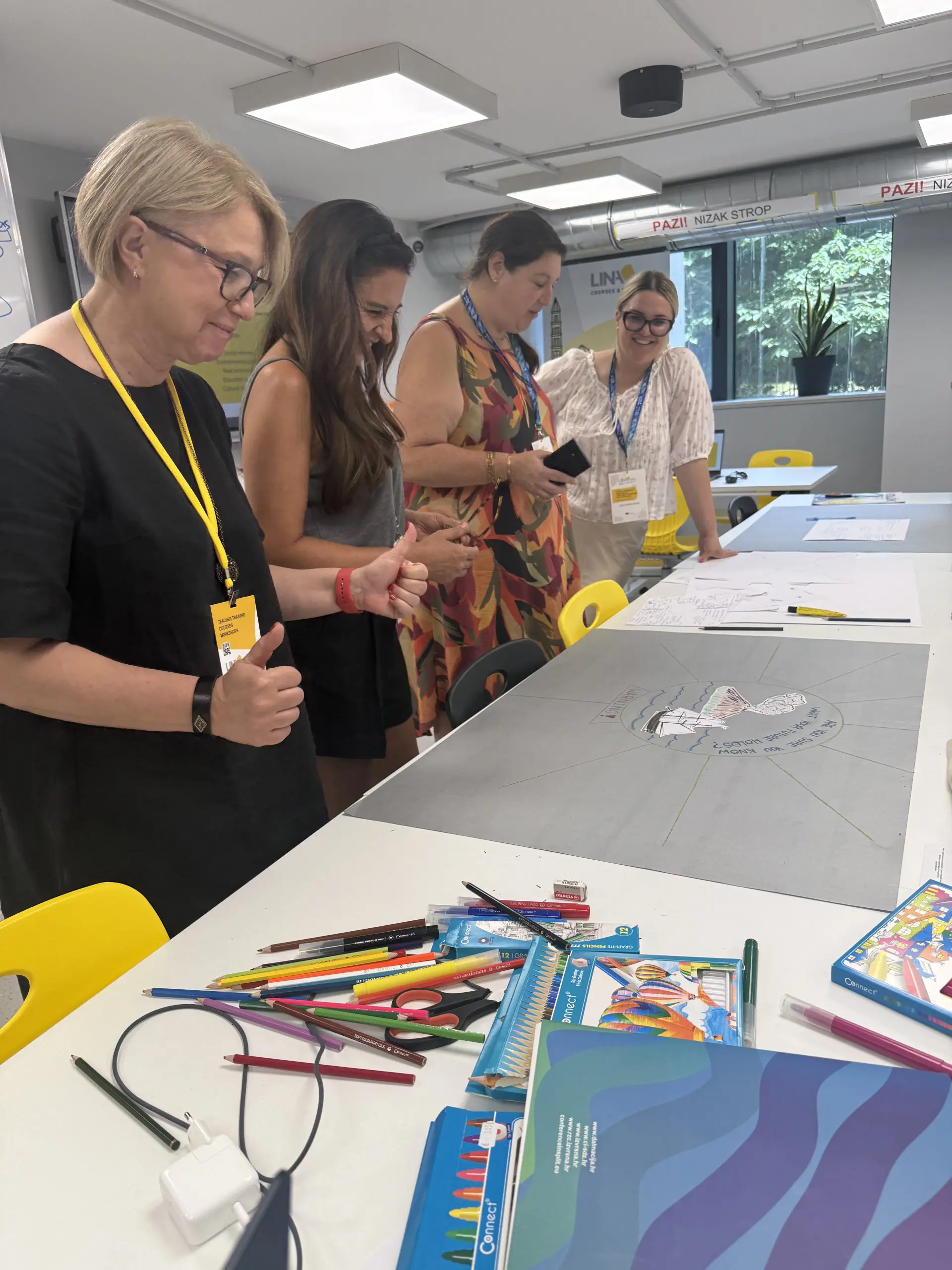
At Lina Edu – Teacher Training Centre in Split, Croatia, we believe that the most meaningful Erasmus+ teacher training courses are those designed around the real needs of participants. Every group is unique, bringing different professional backgrounds, project objectives, and expectations. That is why our recent course, held from 29 June to 2 July, became an excellent example of how a personalised learning experience can maximise both professional growth and participant engagement.
Our participants from Lithuania requested something rather special. Instead of attending just one course, they wanted to combine two different programmes into a single learning experience. Their goal was clear: to make the most of their Erasmus+ mobility by addressing several professional development priorities within one carefully structured course.
The result was a tailor-made programme entitled “Teachers’ Branding & Case Study: Reimagining Lost Civilizations”—a unique combination of digital communication, cultural heritage, media literacy, storytelling, inquiry-based learning, and innovative library practices.
A Dynamic Start Focused on Professional Identity
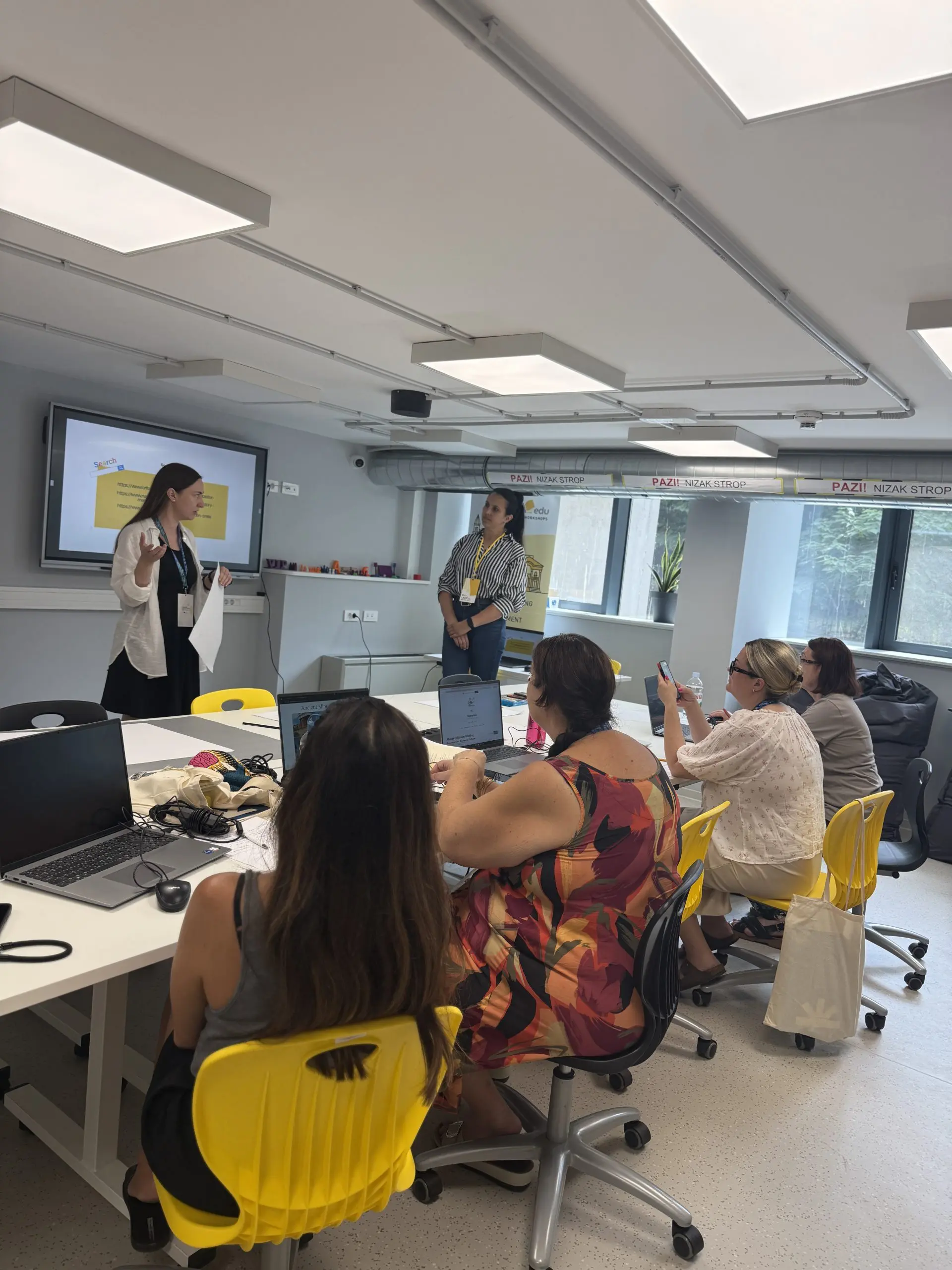
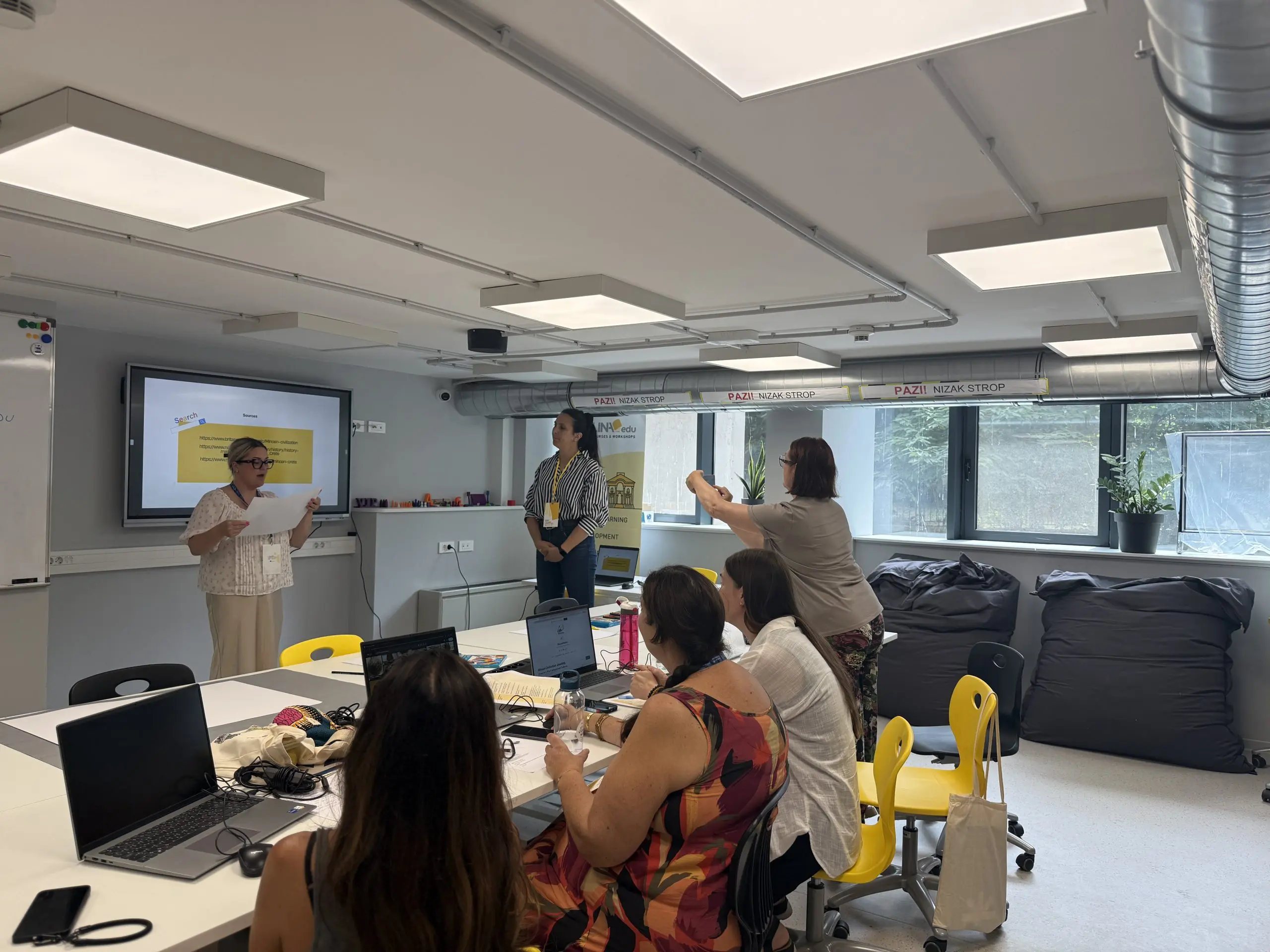
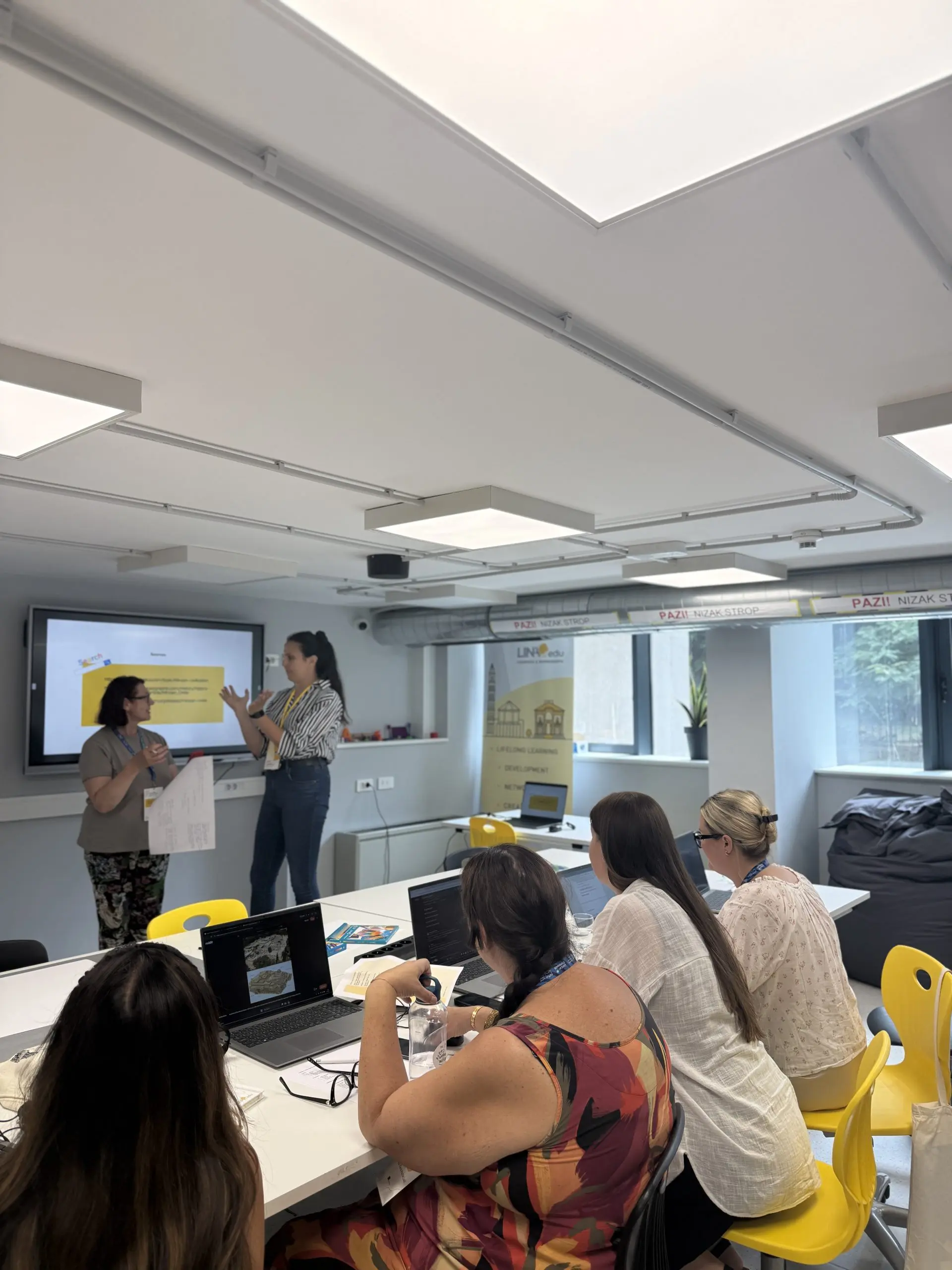
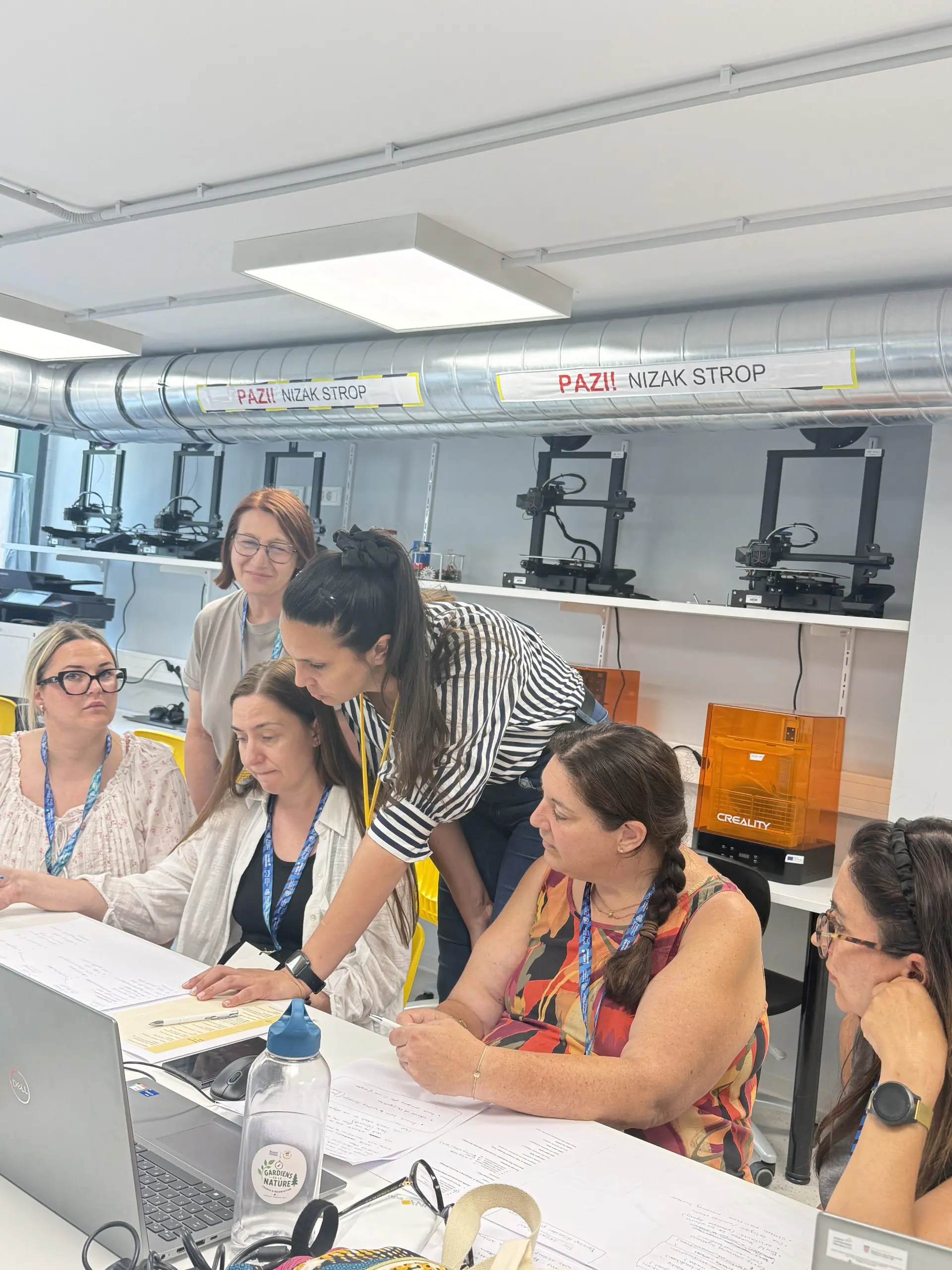
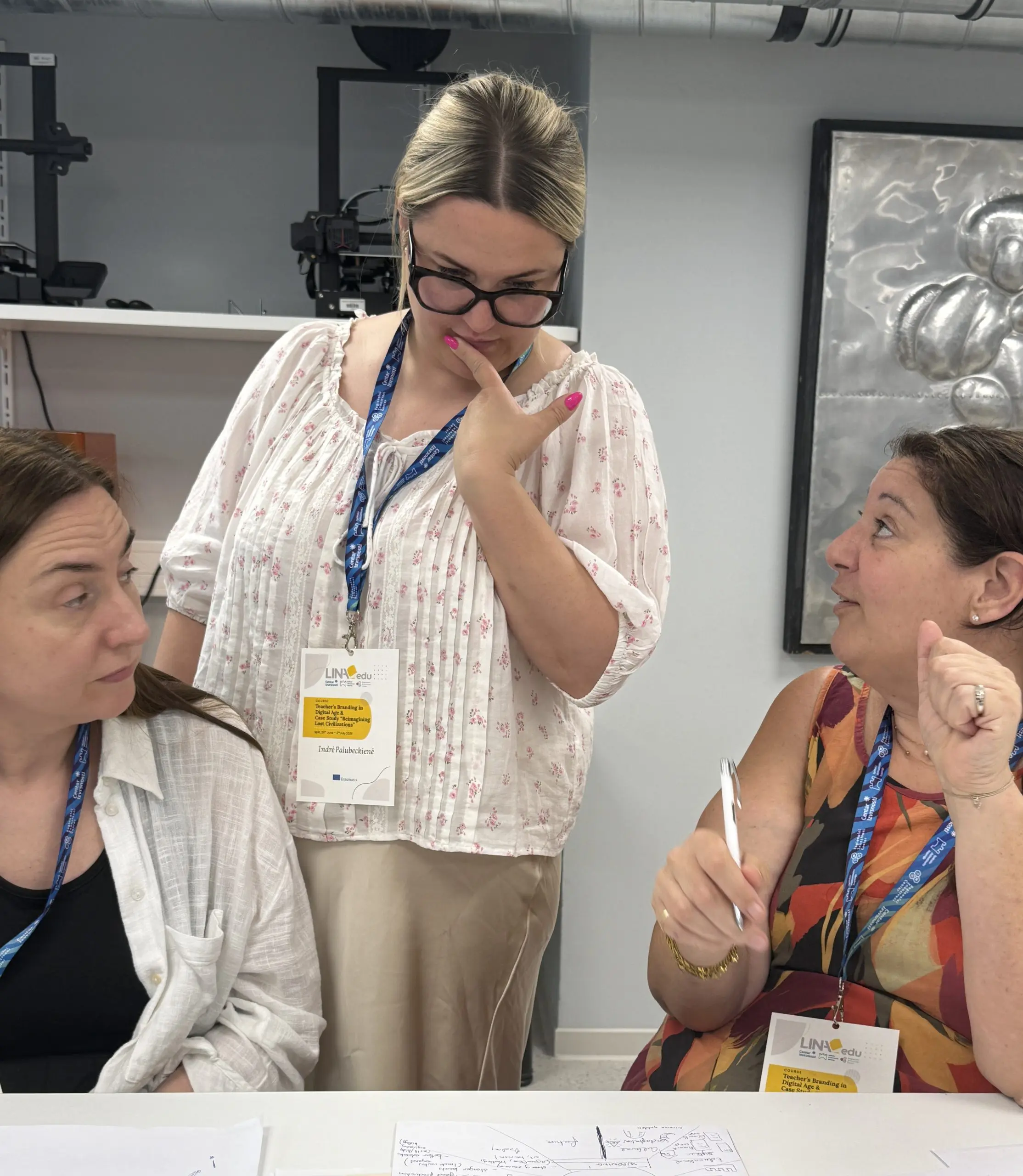
The course began immediately with active participation. Rather than listening to long theoretical presentations, participants engaged in practical workshops, discussions, collaborative tasks, and reflective activities designed to help them discover and strengthen their professional identity.
Together, they explored the foundations of a strong educator brand, reflected on their educational values, and learned how strategic digital communication can support schools and libraries in building stronger relationships with students, parents, and local communities.
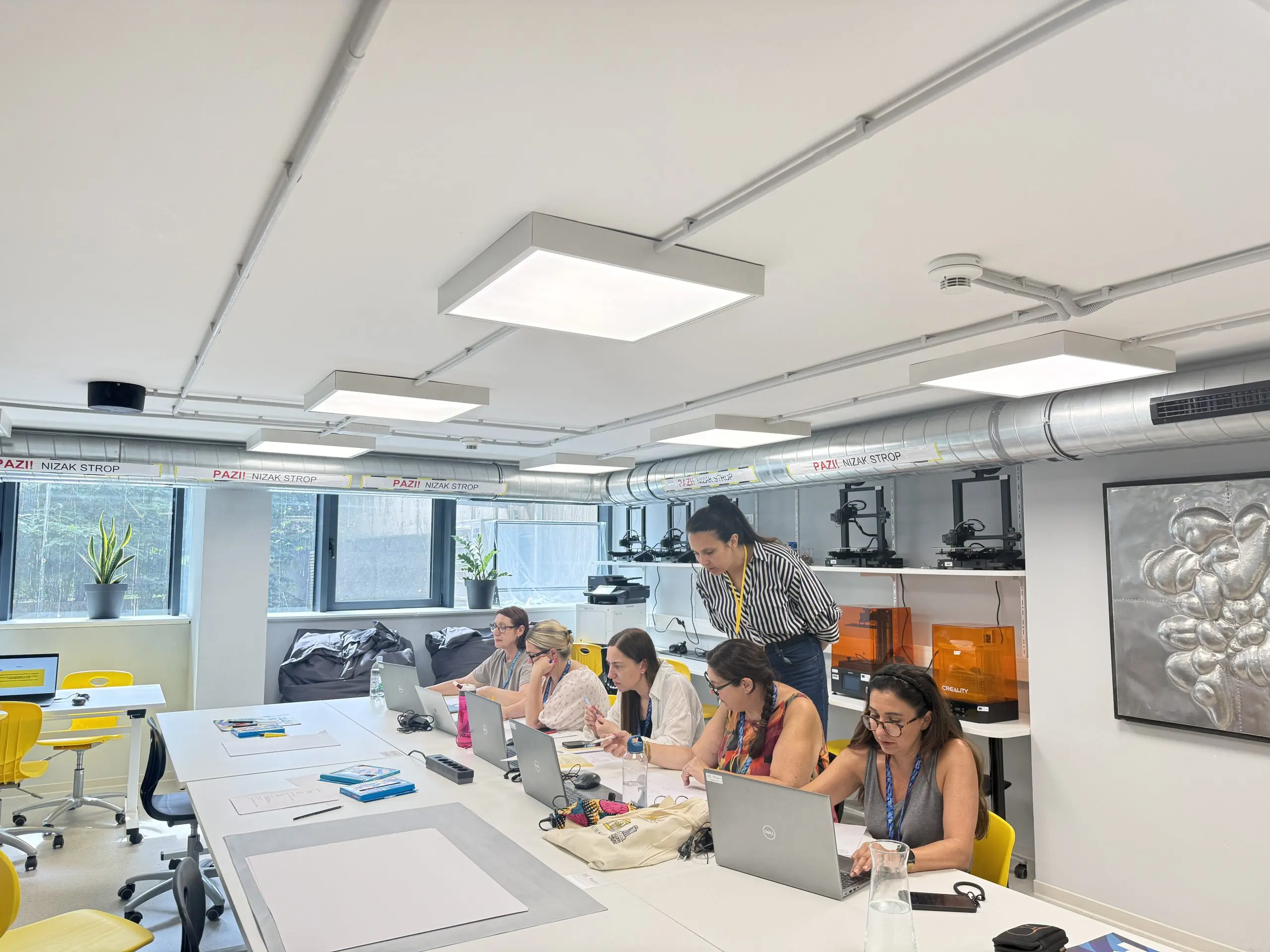
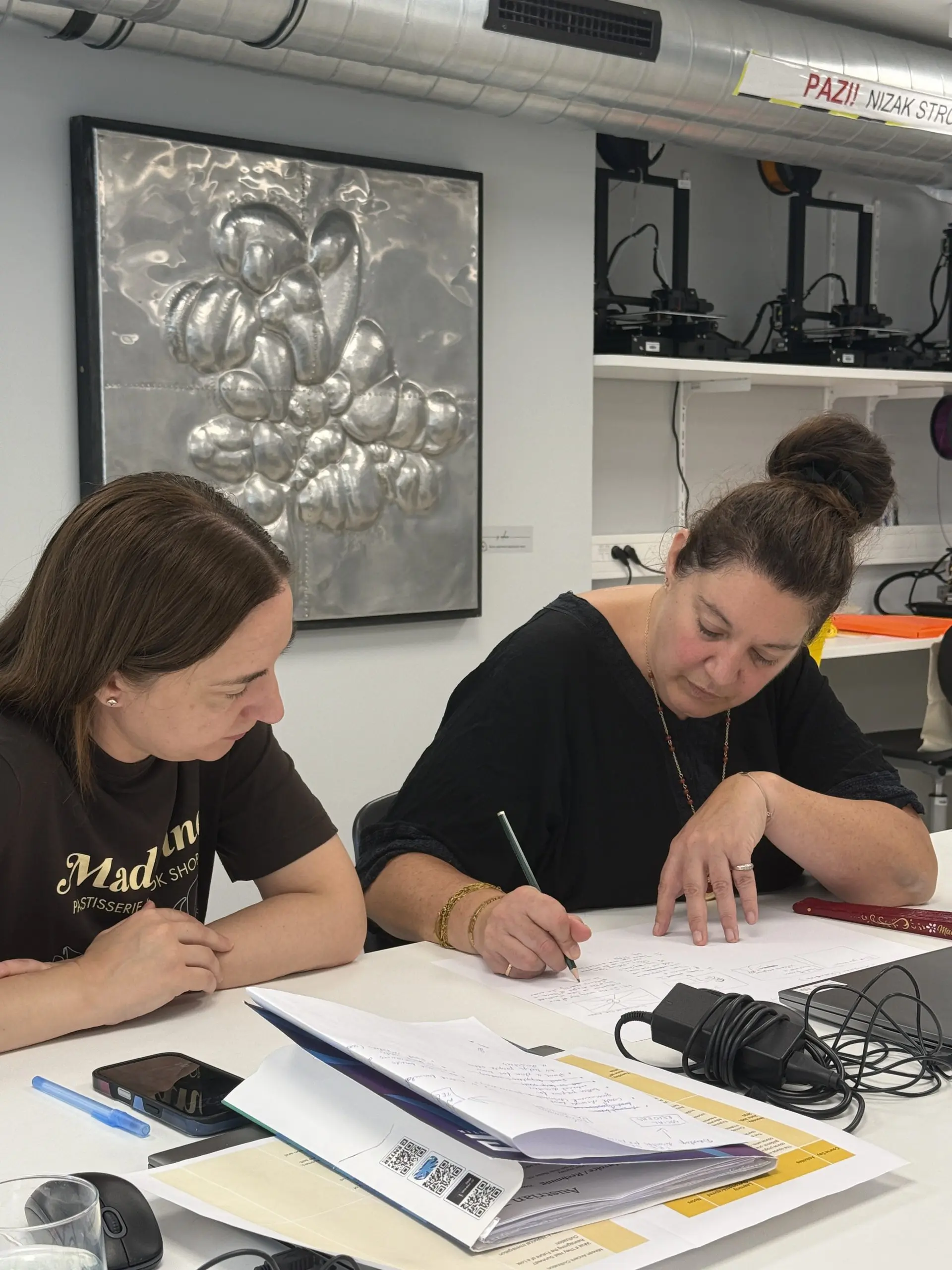
Through carefully designed hands-on workshops, ideas quickly transformed into practical strategies. Participants analysed examples of effective educational communication, created their own brand statements, and explored how digital content can communicate not only information but also educational values.
Of course, learning also needs moments to recharge creativity. Even the breaks reflected the innovative learning environment at the Centre of Excellence of Split-Dalmatia County, our modern course venue. Participants enjoyed testing their reflexes on a car racing simulator and relaxing in an acoustic armchair, proving once again that inspiring spaces encourage innovative thinking.
Cultural Heritage Meets Digital Storytelling
The second day focused on one of today’s most relevant educational challenges: How can cultural heritage become engaging digital content?
For five intensive hours, participants immersed themselves in collaborative learning through carefully scaffolded activities that gradually guided them towards achieving the planned learning outcomes.
Together, they explored how libraries and schools can transform cultural heritage into attractive educational content that educates, inspires, and connects communities.
Throughout the workshops, participants:
- recognised the educational potential of cultural heritage resources available in libraries and schools;
- transformed heritage topics into engaging digital stories and visual content;
- created educational posts and campaigns using digital tools;
- designed visual communication that balanced historical accuracy with creativity and audience engagement;
- planned digital communication strategies promoting library collections and cultural heritage to diverse audiences.
Rather than creating social media content simply for visibility, participants learned how every digital post can contribute to institutional educational goals while strengthening the public image of schools and libraries.
Learning Beyond the Classroom
Professional development extends far beyond classroom walls.
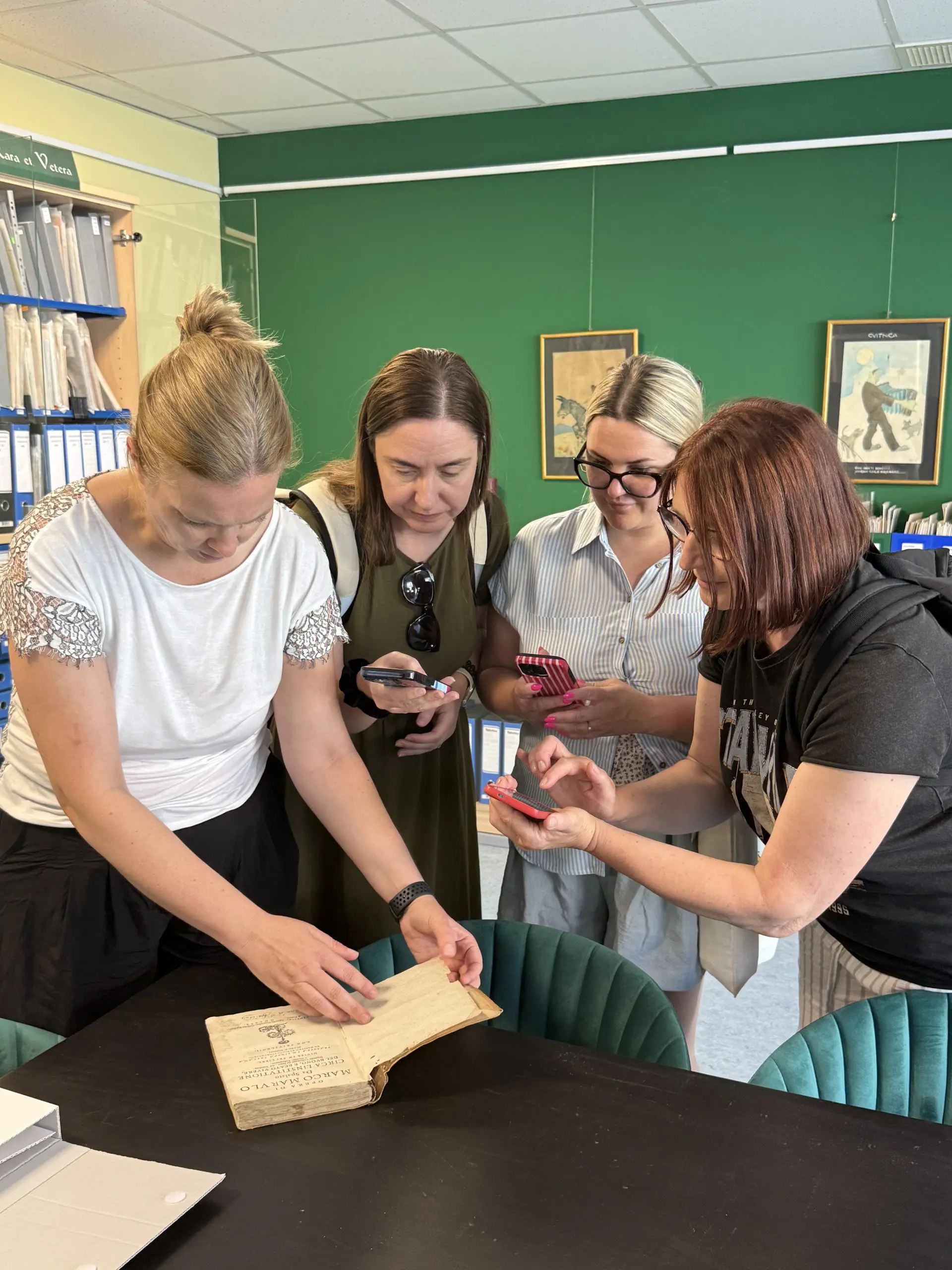
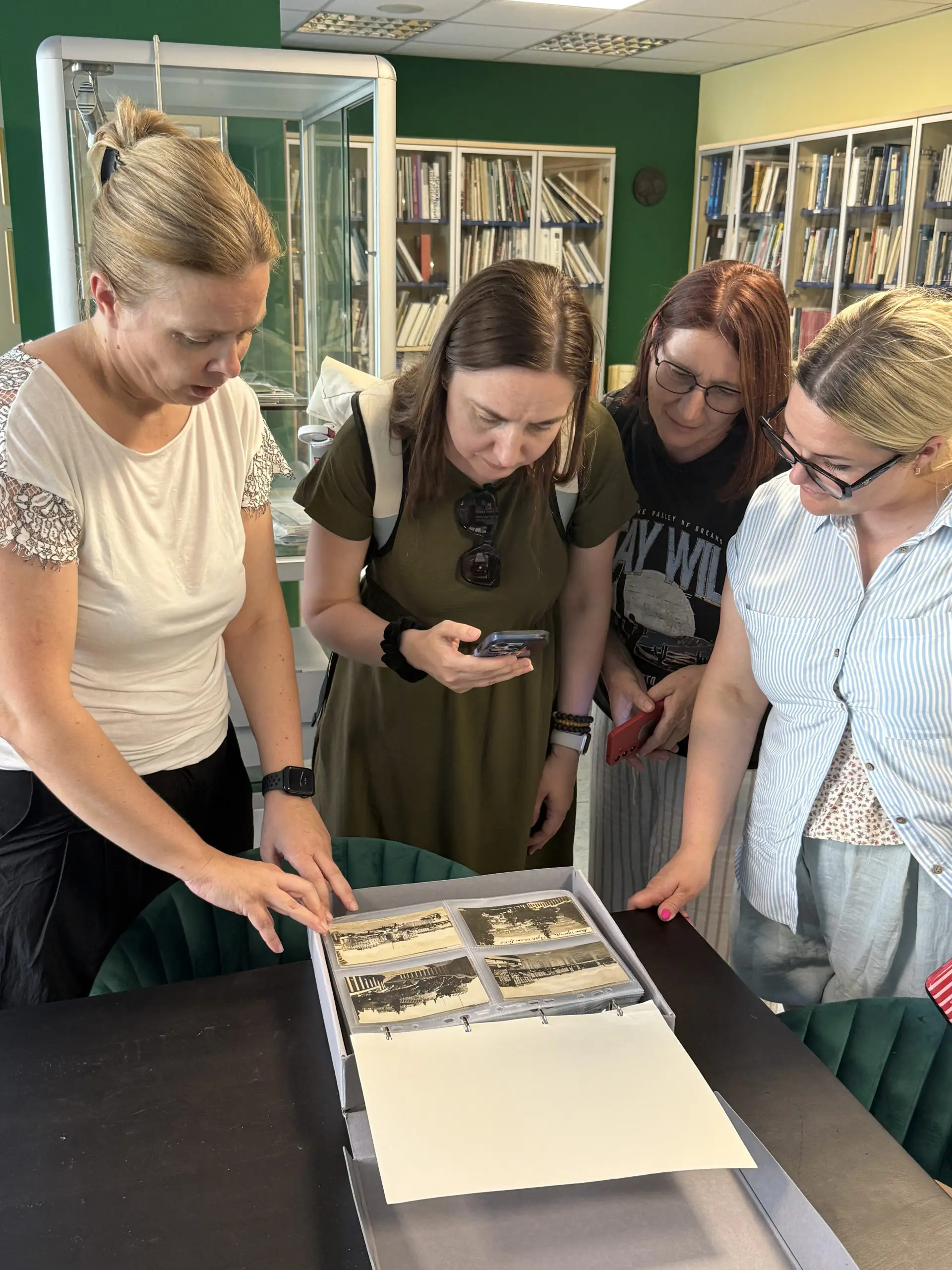
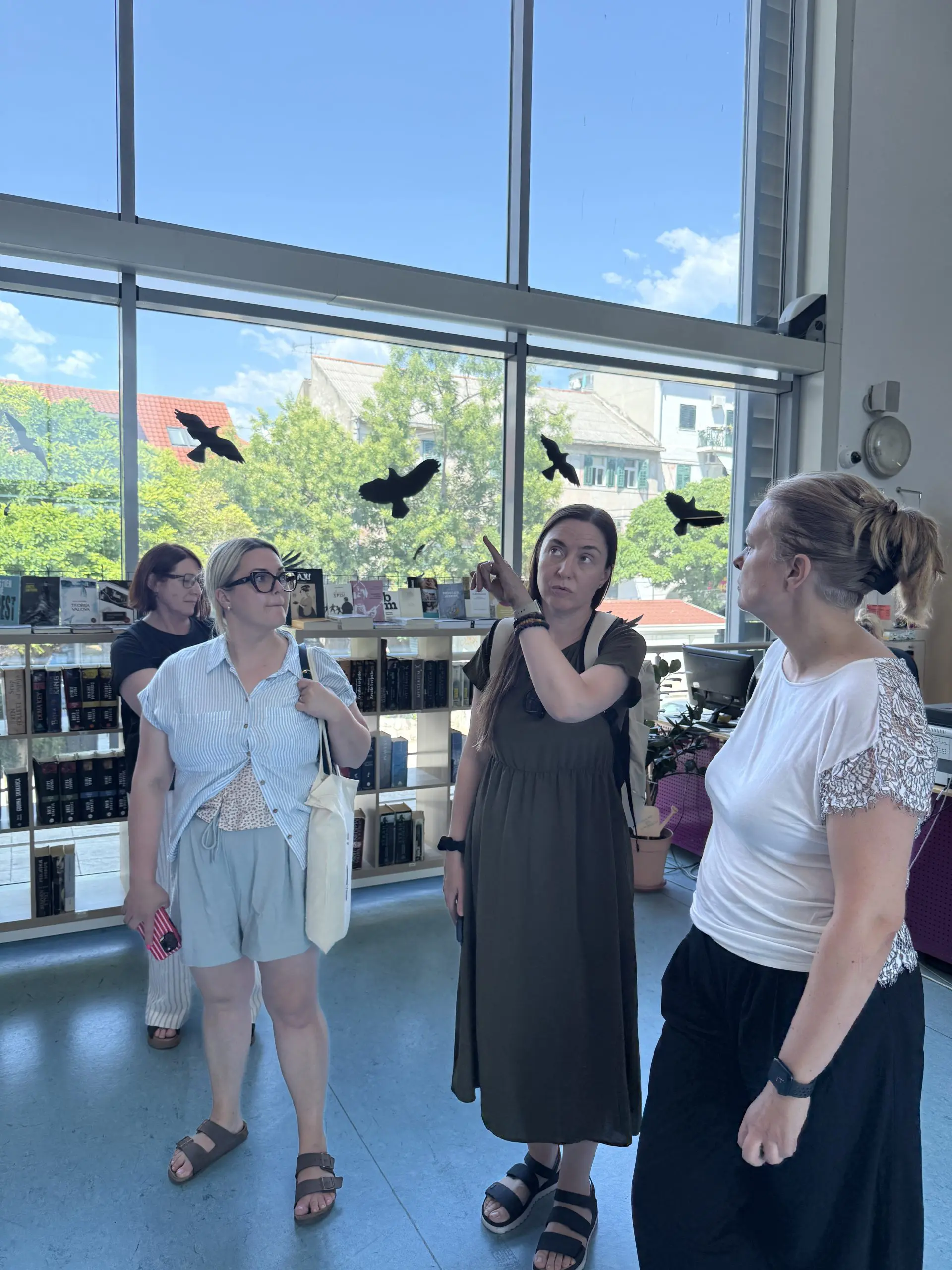
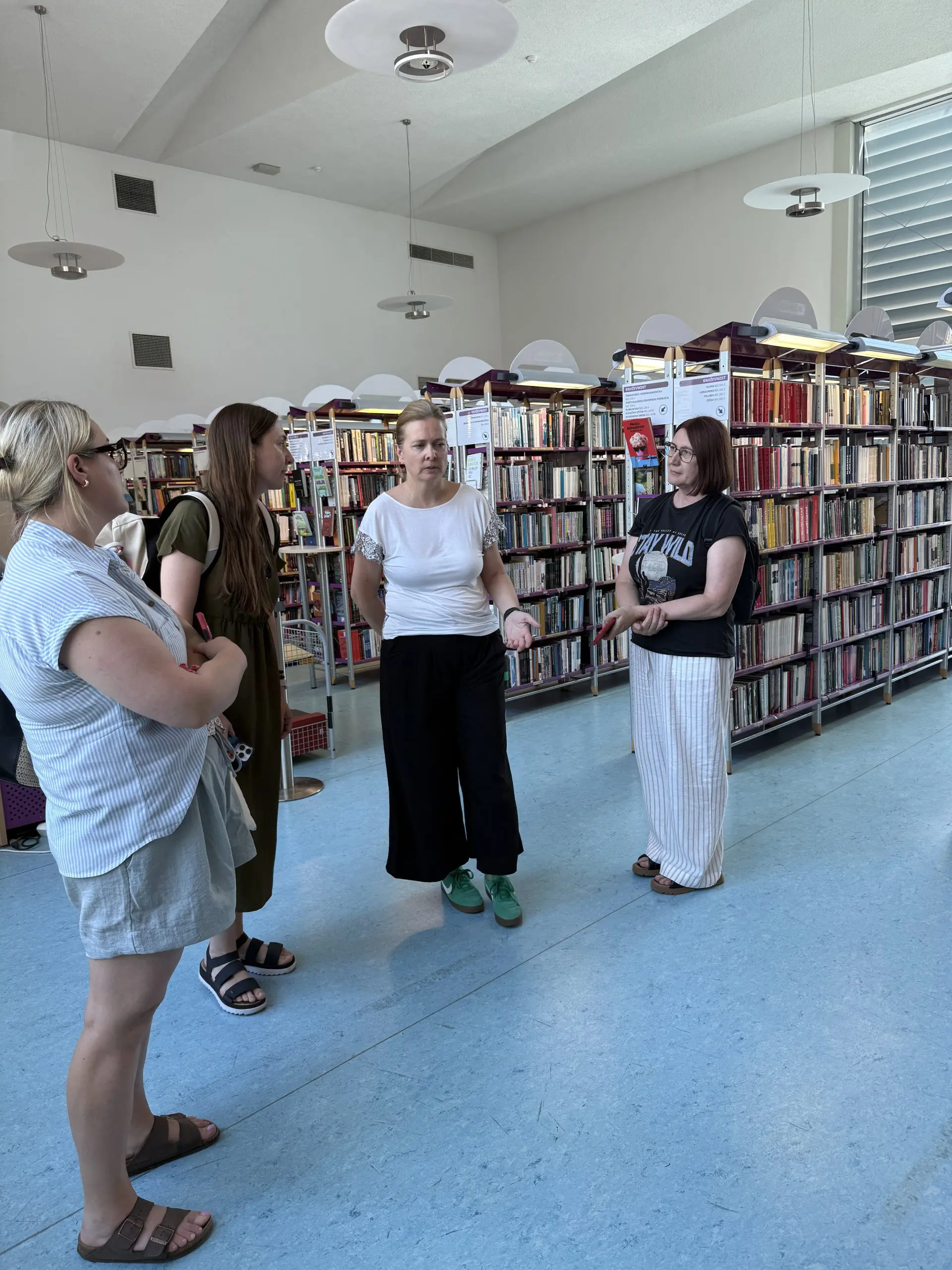
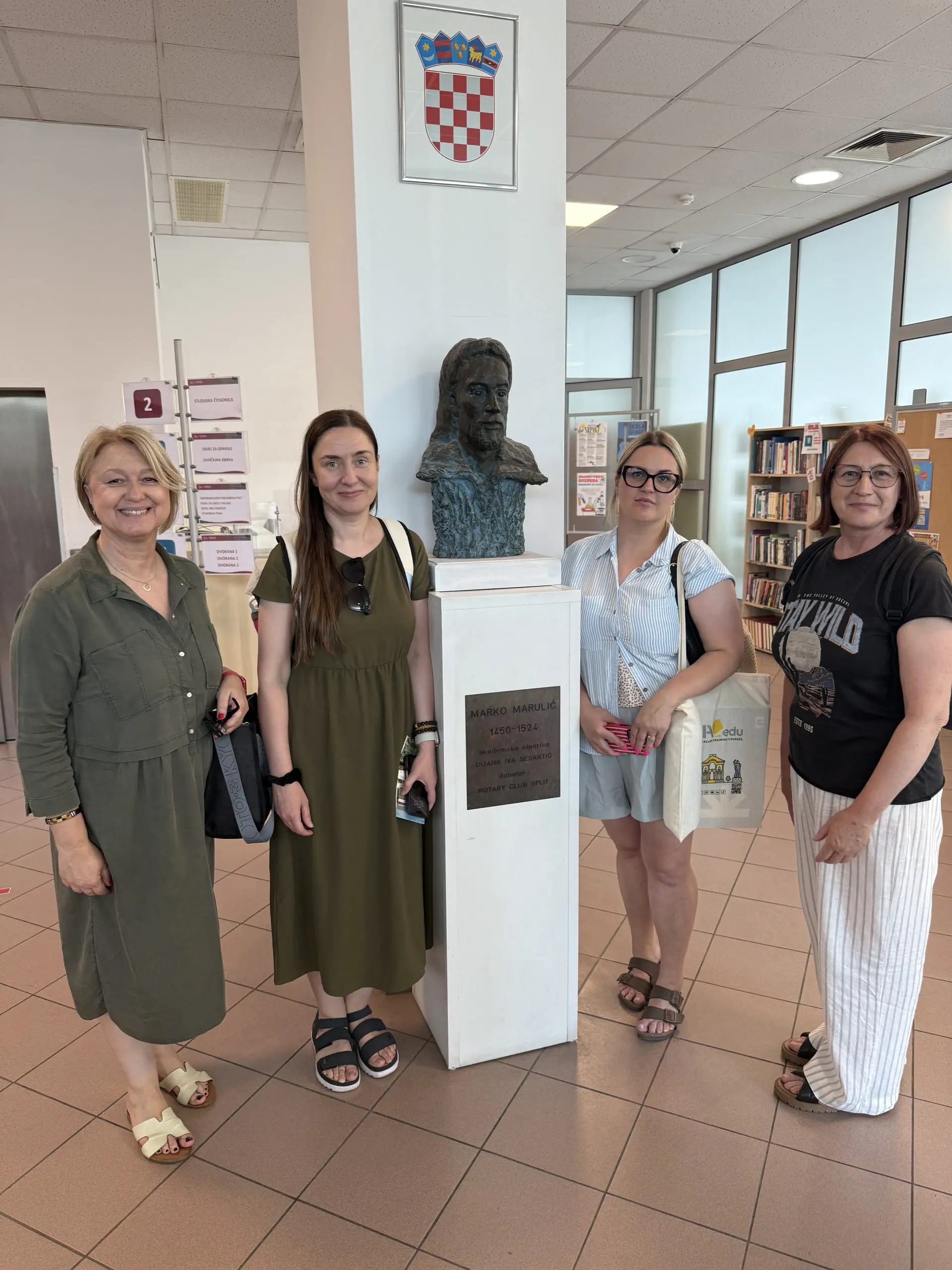
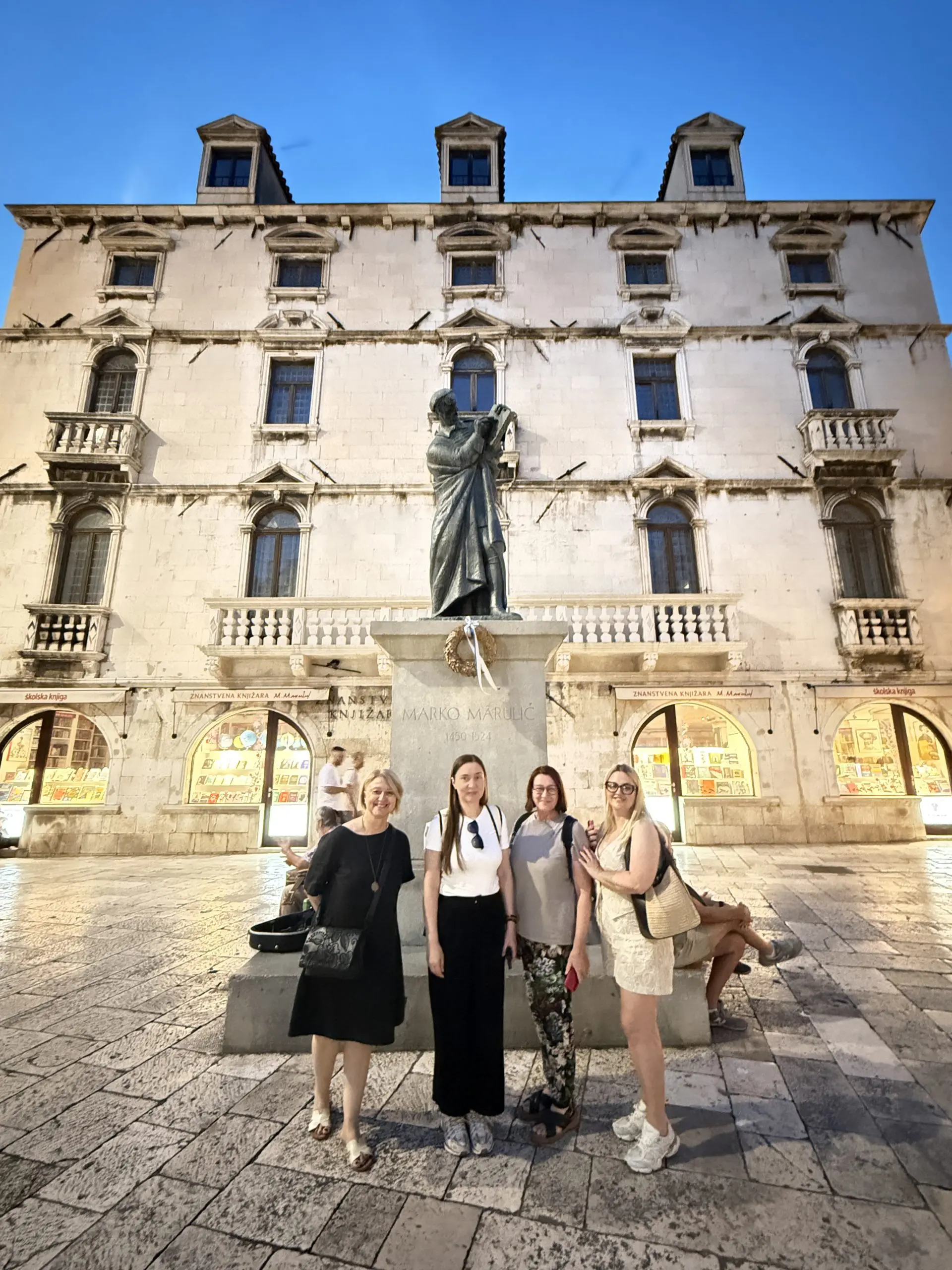
The afternoon continued with an inspiring job-shadowing visit to the City Library Marko Marulić in Split, where participants explored innovative library services, community engagement initiatives, and practical examples of promoting cultural heritage through library programmes.
The visit provided valuable insights into how modern libraries have evolved into vibrant learning hubs where education, culture, digital communication, and community participation naturally intersect.
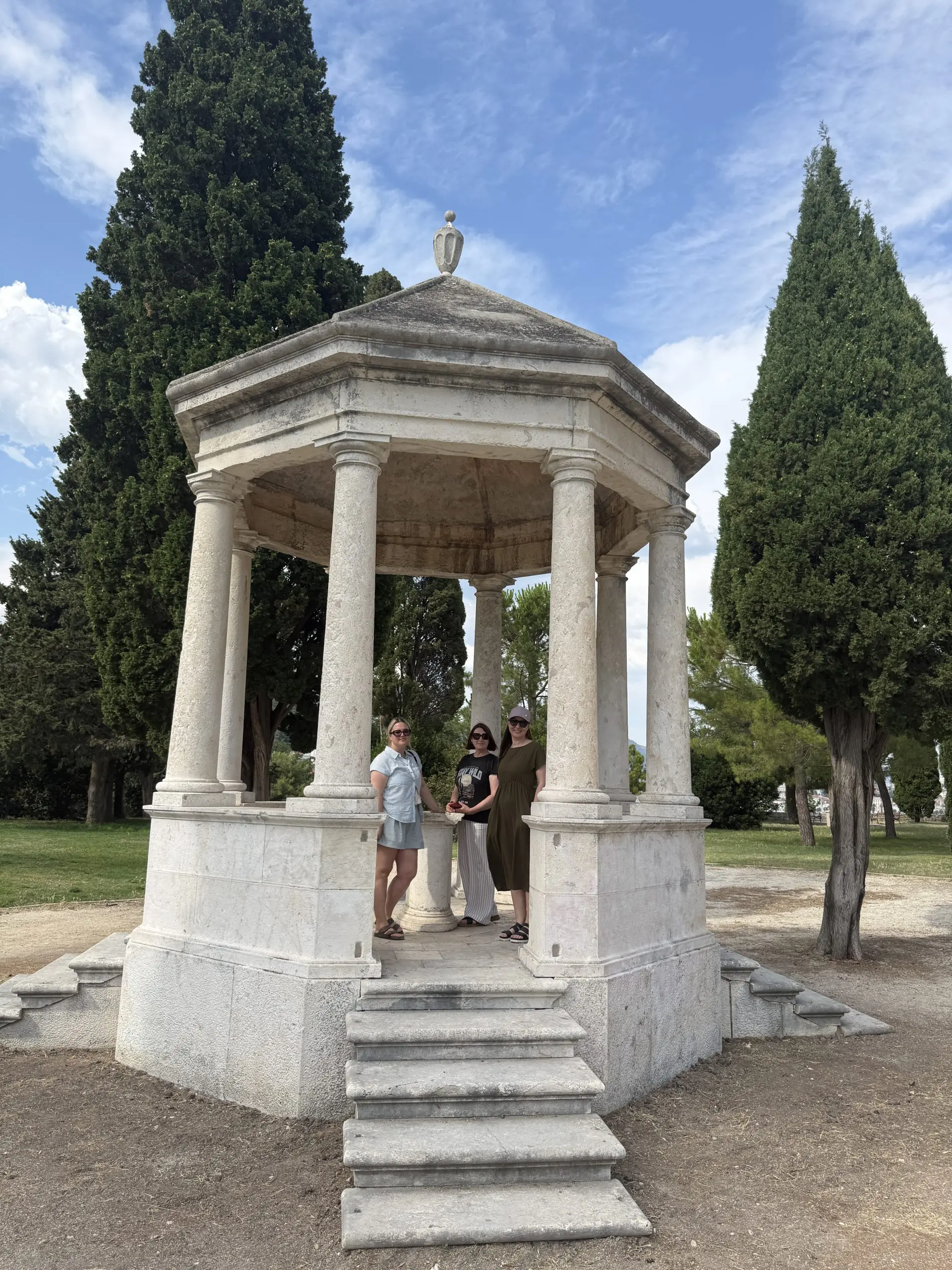
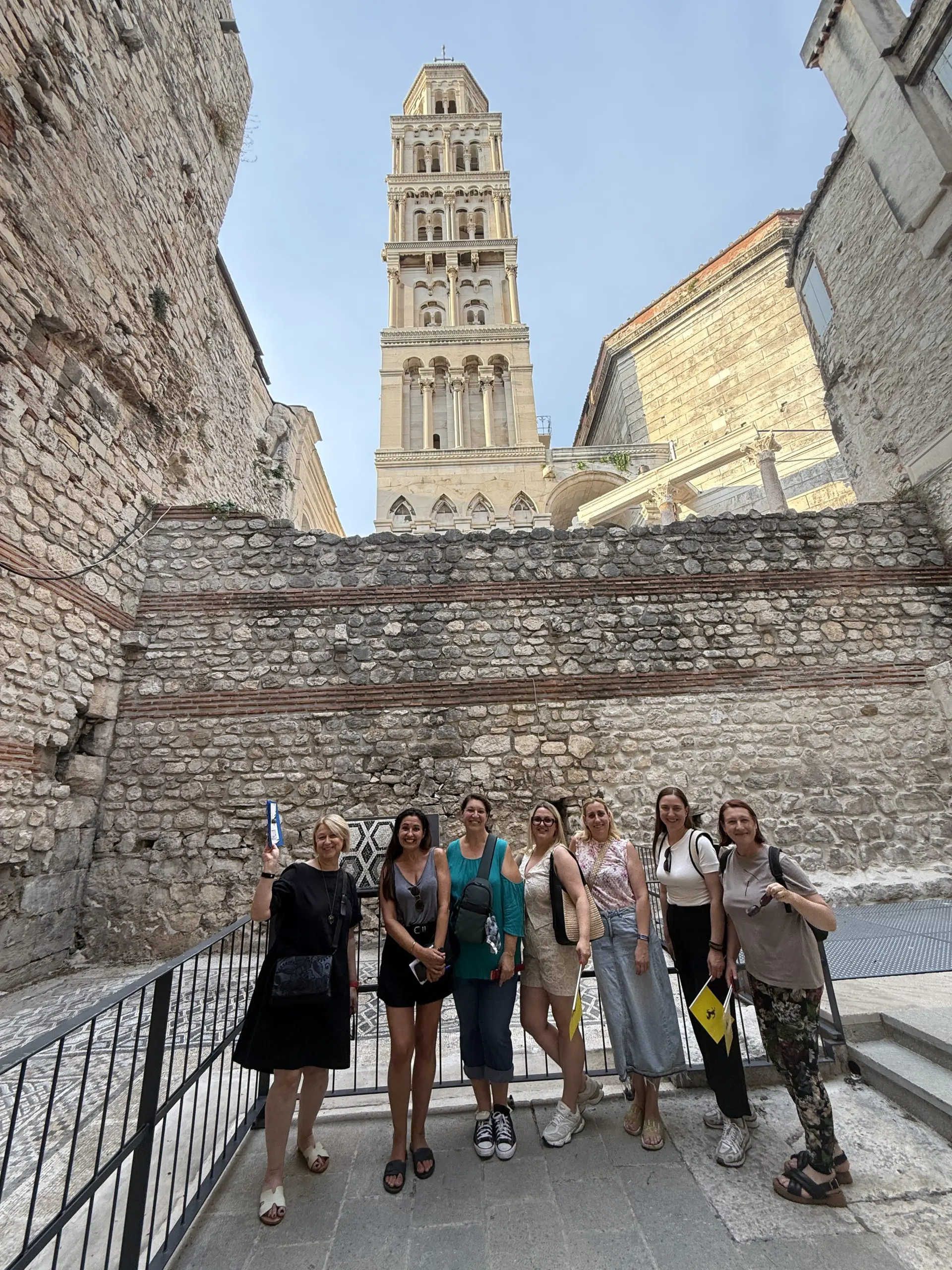
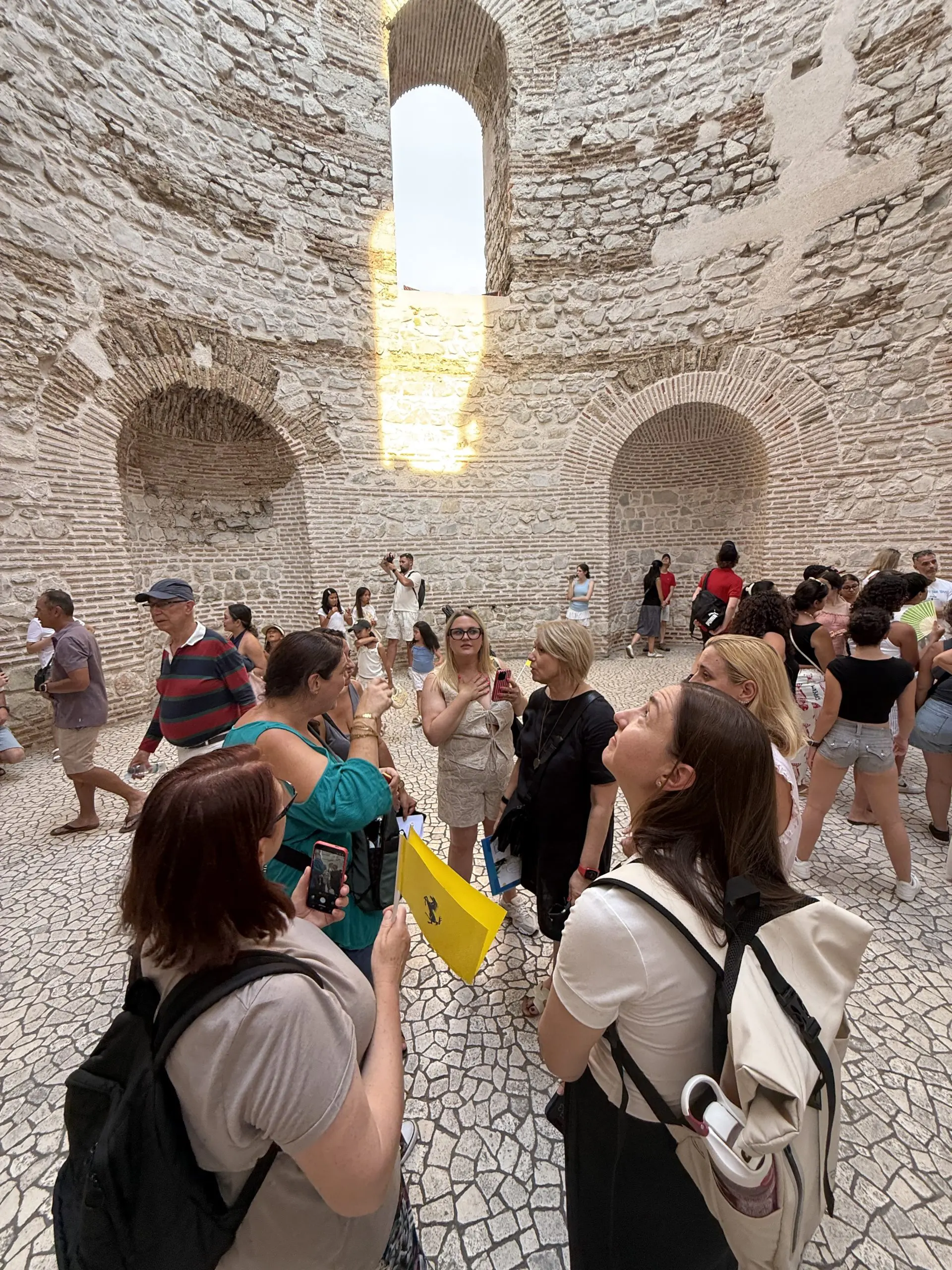
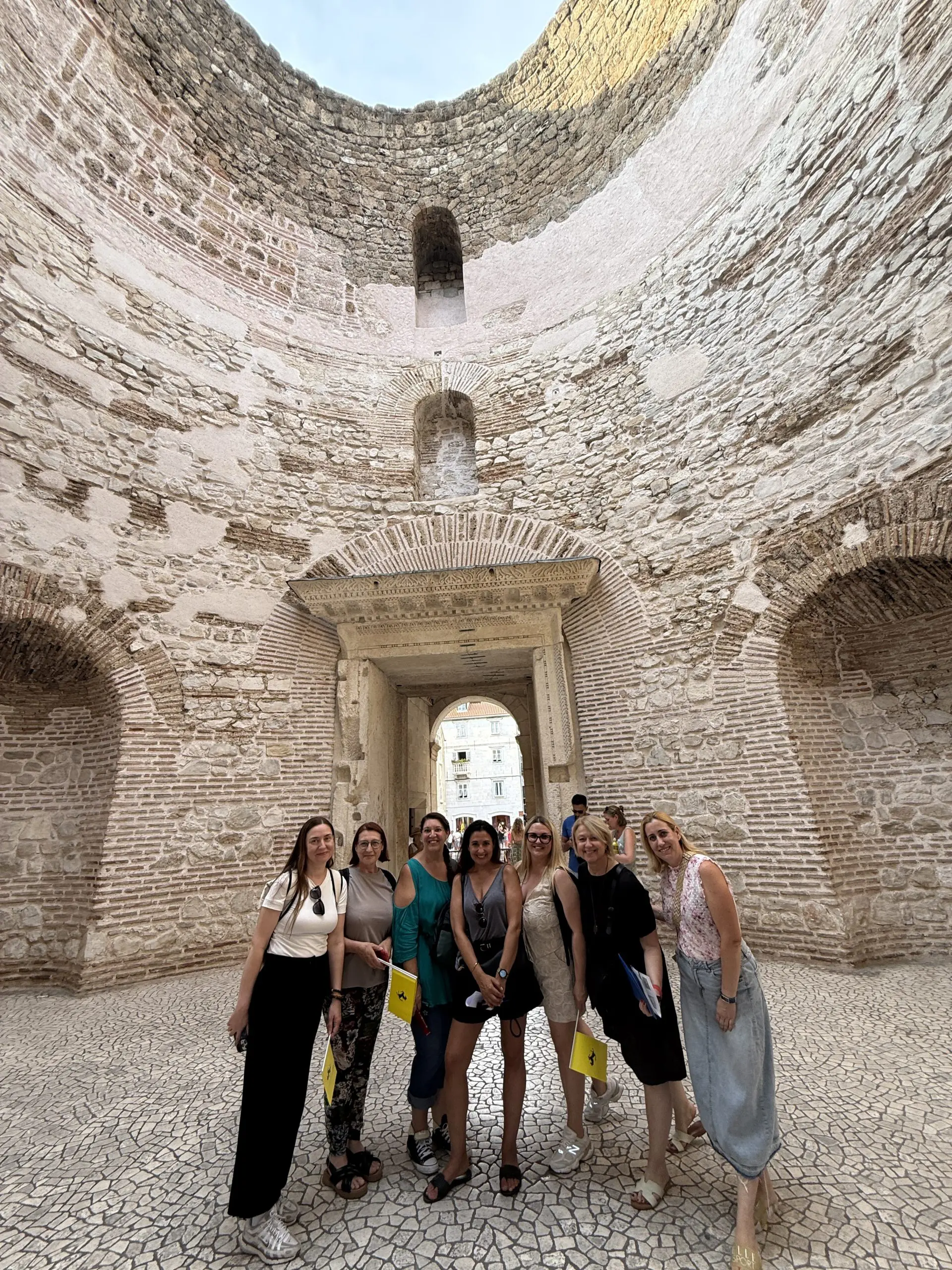
Later that day, our Lithuanian librarians discovered some of Split’s most remarkable cultural landmarks during a guided educational walk led by course educator Ivana Bokavšek.
Experiencing the city itself became another learning activity, allowing participants to connect professional knowledge with authentic cultural heritage and inspiring ideas that they can transfer to their own institutions.
Becoming Historians, Archaeologists and Detectives
The third day introduced a completely different learning experience.
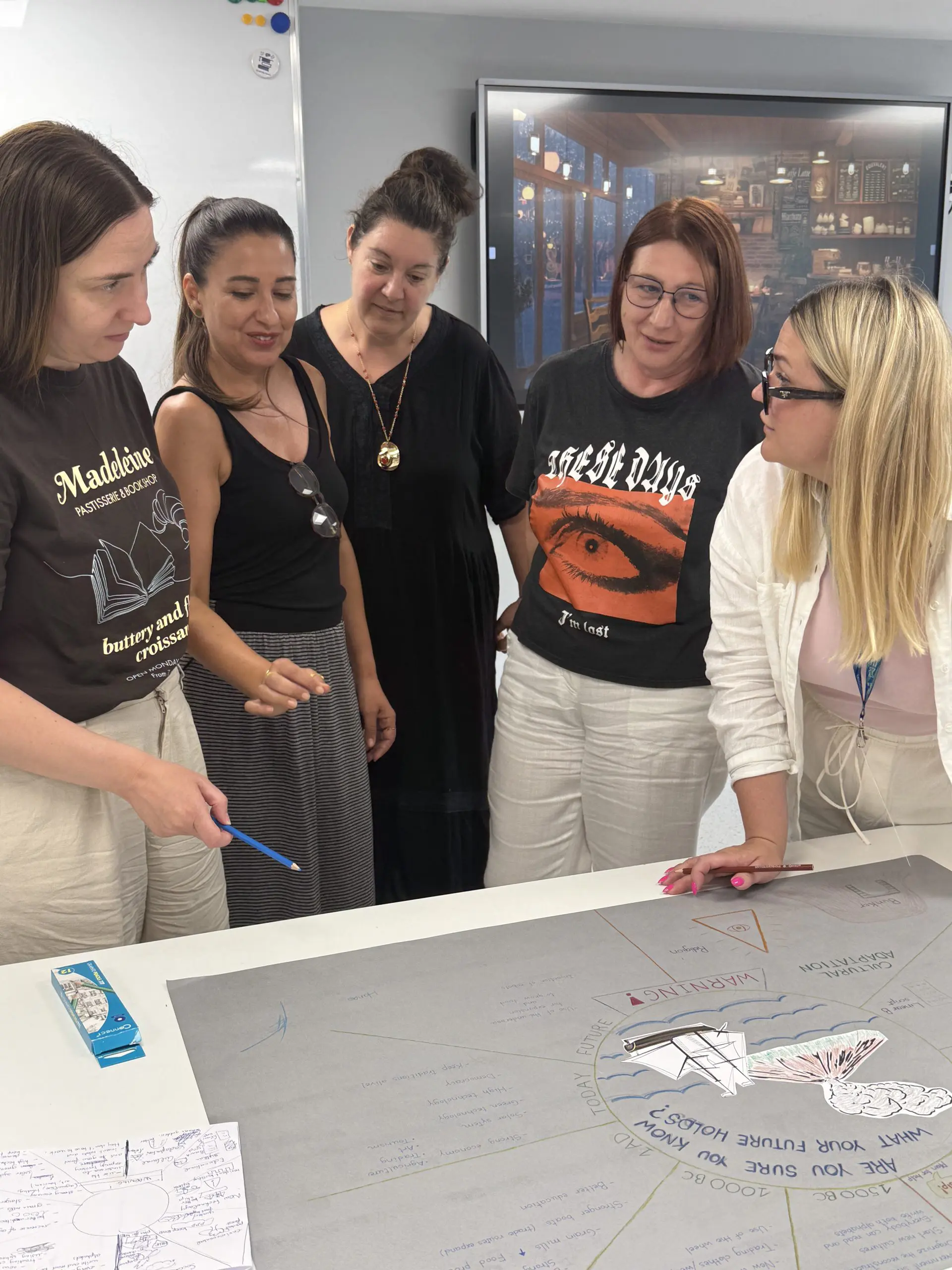
Participants stepped into the roles of historians, archaeologists, researchers, and detectives as they began the case study “Reimagining a Lost Civilization.”
Working with authentic historical and archaeological sources, they investigated the fascinating story of lost civilization.
Instead of memorising historical facts, participants explored questions that historians continue to debate today. They analysed archaeological evidence, compared scholarly interpretations, distinguished facts from hypotheses, and examined the interconnected causes that contributed to the civilization’s decline.
The activity demonstrated how libraries can become spaces for inquiry-based learning, where curiosity, critical thinking, and collaborative investigation replace passive learning.
Perhaps the most exciting challenge asked participants to imagine an alternative course of history:
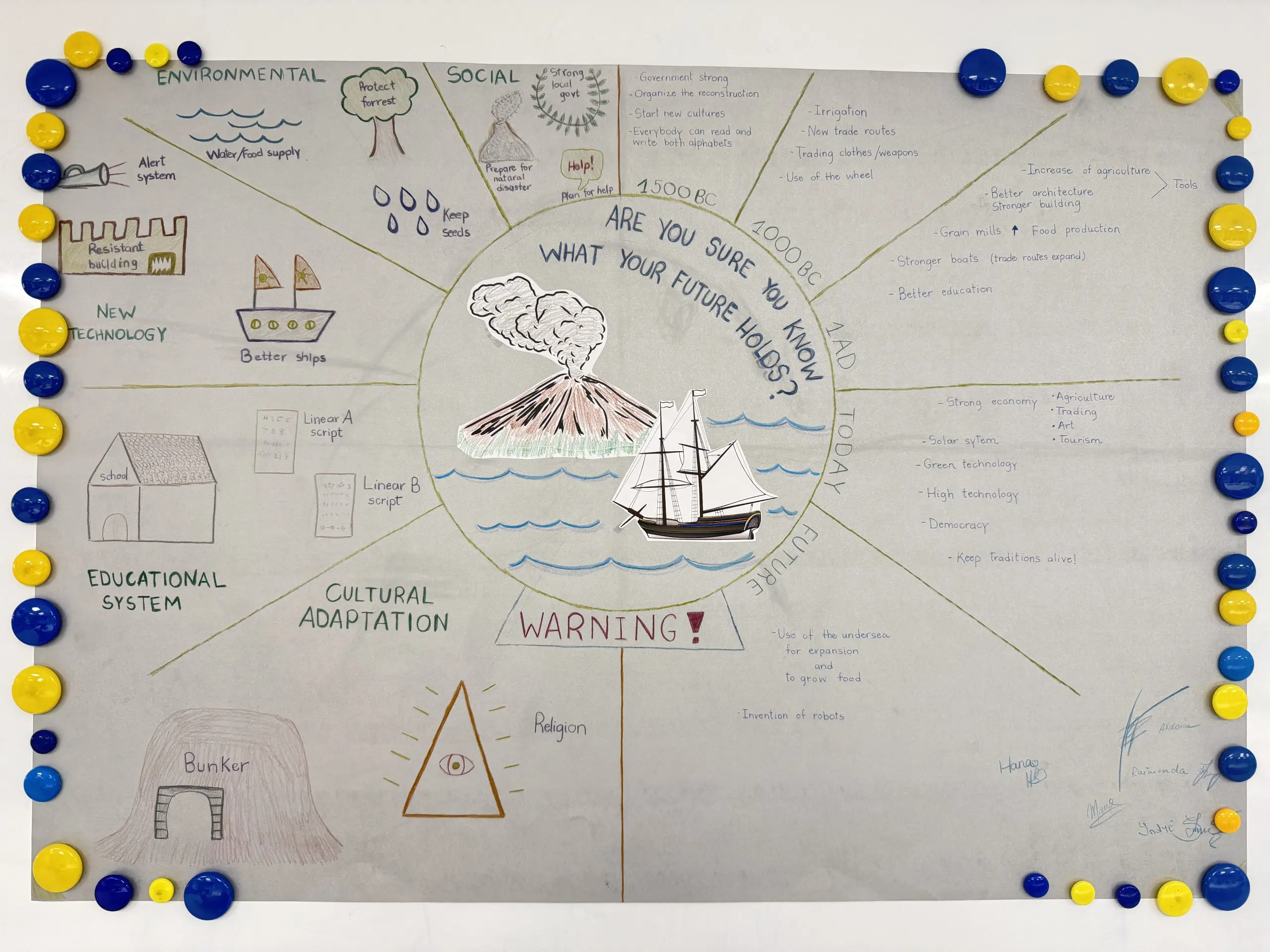
What if the Minoan civilization had survived?
Using historical evidence, teams developed plausible scenarios explaining how different decisions, innovations, or social changes might have prevented the civilization’s collapse.
This evidence-based alternative history encouraged participants to combine historical knowledge with creativity while always supporting their conclusions through reliable sources and logical reasoning.
Gamification in Action
Learning continued outdoors through an educational scavenger hunt across Split’s historic centre.
Far more than a sightseeing activity, the game was carefully designed as a model for an effective gamified field class with clearly defined educational objectives.
Working in teams, participants solved challenges requiring them to:
- observe architectural details;
- connect information from different school subjects;
- browse reliable online resources;
- distinguish trustworthy information;
- practise skimming and scanning reading techniques;
- develop media and information literacy;
- think critically while collaborating under time constraints.
The activity demonstrated how gamification transforms cultural heritage into an engaging educational experience while simultaneously developing transversal competences essential for today’s learners.
Participants left with numerous ideas for designing similar heritage-based learning activities in their own schools and libraries.
From History to New Futures
The final day represented the culmination of everything participants had learned throughout the week.
Working collaboratively, teams presented evidence-based alternative futures for the lost civilization through dramatic performances, documentaries, interviews, newspapers from the future, and creative storytelling.
Every creative product was grounded in historical research. Every interpretation required logical justification. Every presentation reflected collaboration, critical thinking, creativity, and effective communication.
Yet perhaps the greatest achievement of the entire course was not any single presentation.
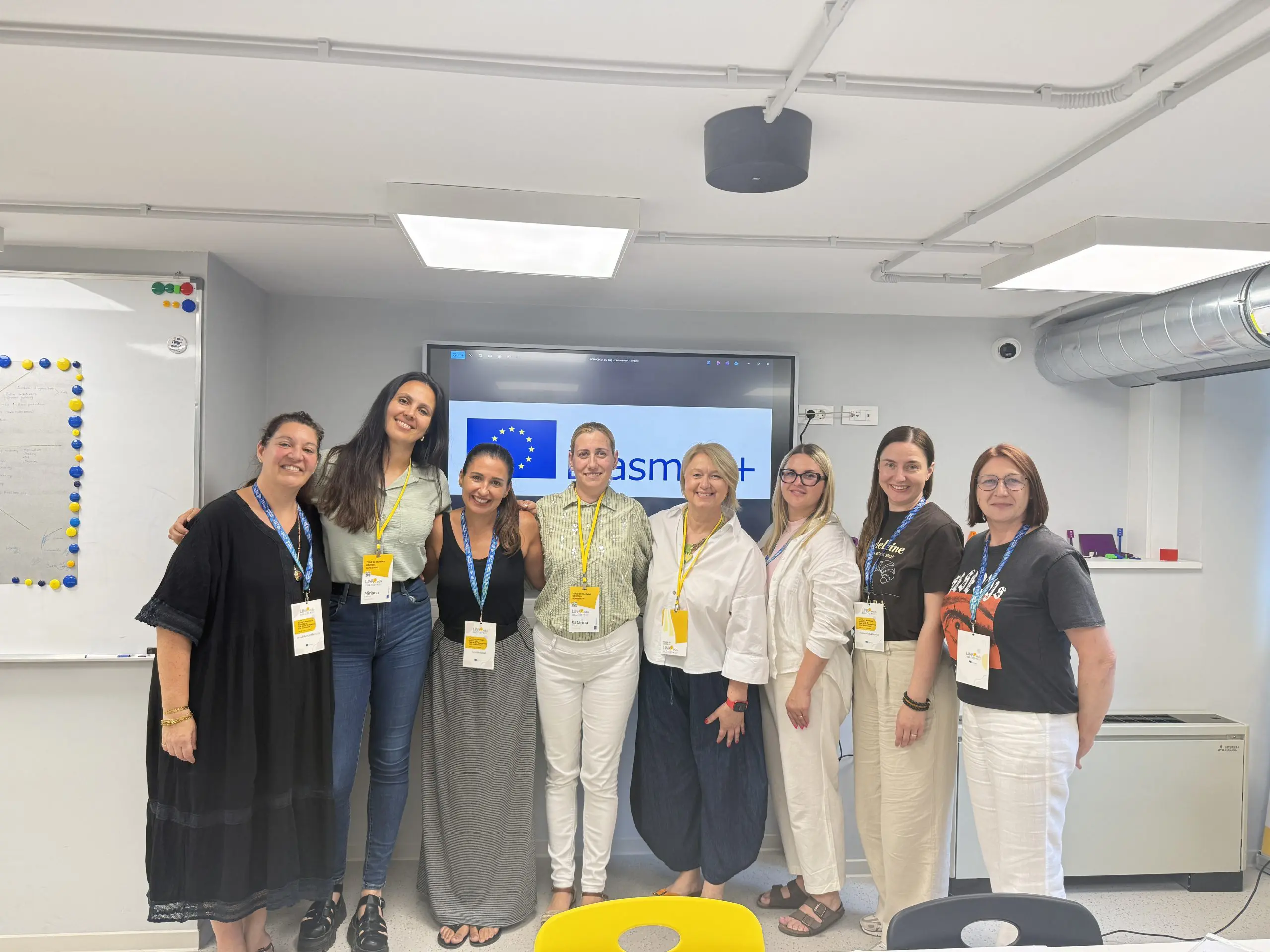
It was the remarkable teamwork that developed naturally throughout the week.
Participants shared responsibilities, challenged one another’s ideas respectfully, celebrated each other’s successes, and built an atmosphere of trust, openness, and mutual understanding.
These are precisely the qualities that make Erasmus+ professional development truly transformative.
More Than Certificates
The course concluded with participants’ final presentations and the well-deserved certification.
However, the most valuable outcomes cannot be measured by certificates alone.
New friendships were formed.
Professional networks expanded.
Ideas were exchanged.
Future collaborations were initiated.
These lasting international connections represent one of the greatest strengths of every Erasmus+ mobility.
Tailor-Made Learning Creates Lasting Impact
This course perfectly demonstrated the value of personalised teacher training.
By combining two different Lina Edu programmes into one coherent learning journey, participants experienced a highly relevant, engaging, and practical professional development opportunity that directly reflected their project objectives and institutional needs.
From professional branding and strategic digital communication to cultural heritage, inquiry-based learning, storytelling, media literacy, and gamification, every activity was designed with transferability in mind. Participants returned home equipped not only with new knowledge, but with ready-to-use ideas, practical resources, and renewed inspiration for their work in schools and libraries.
At Lina Edu in Split, Croatia, we are proud to create Erasmus+ courses that are flexible, innovative, and centred on participants’ needs. When learning is meaningful, collaborative, and tailored to real educational challenges, its impact extends far beyond the classroom – and continues long after the course has ended.