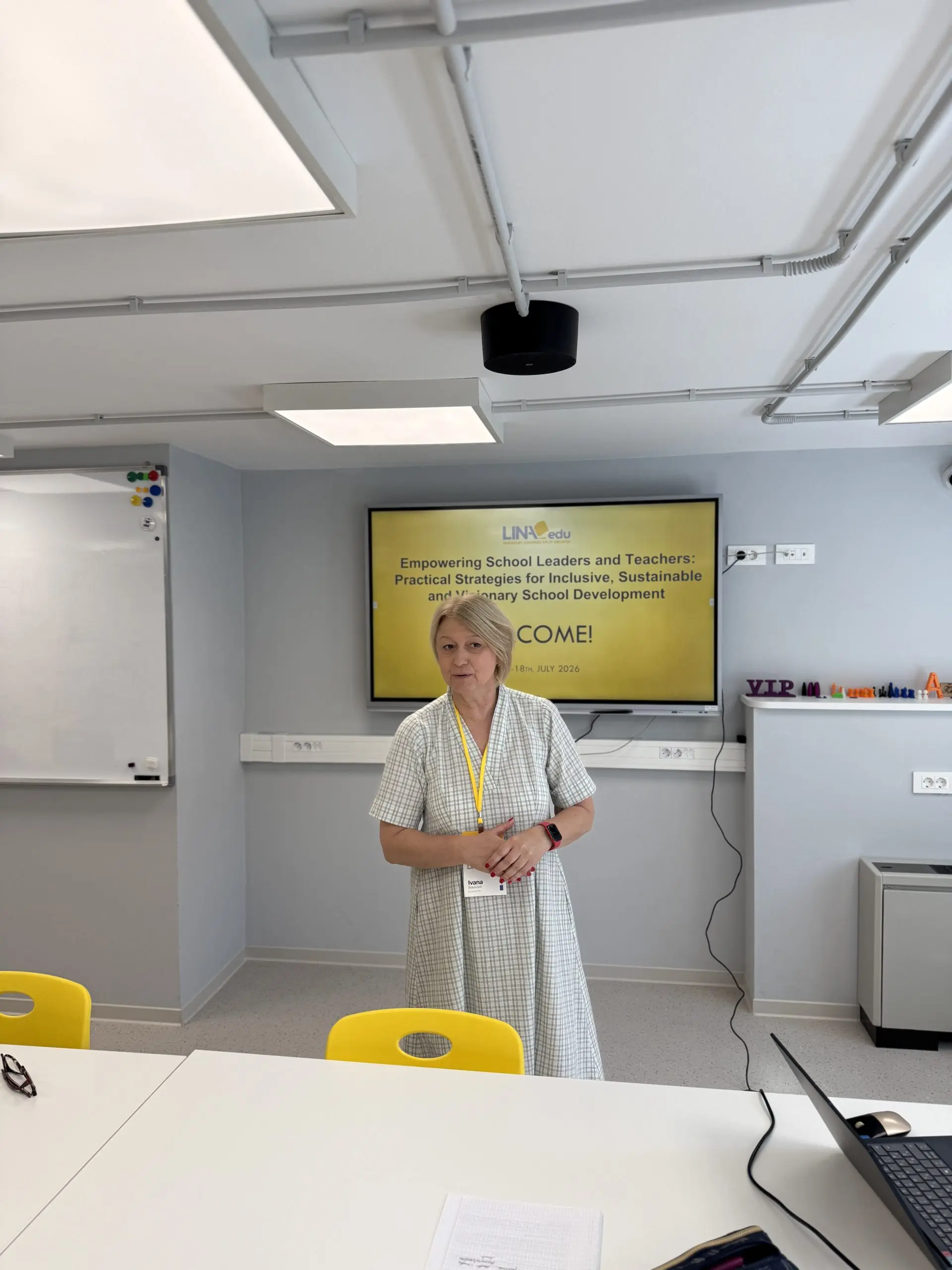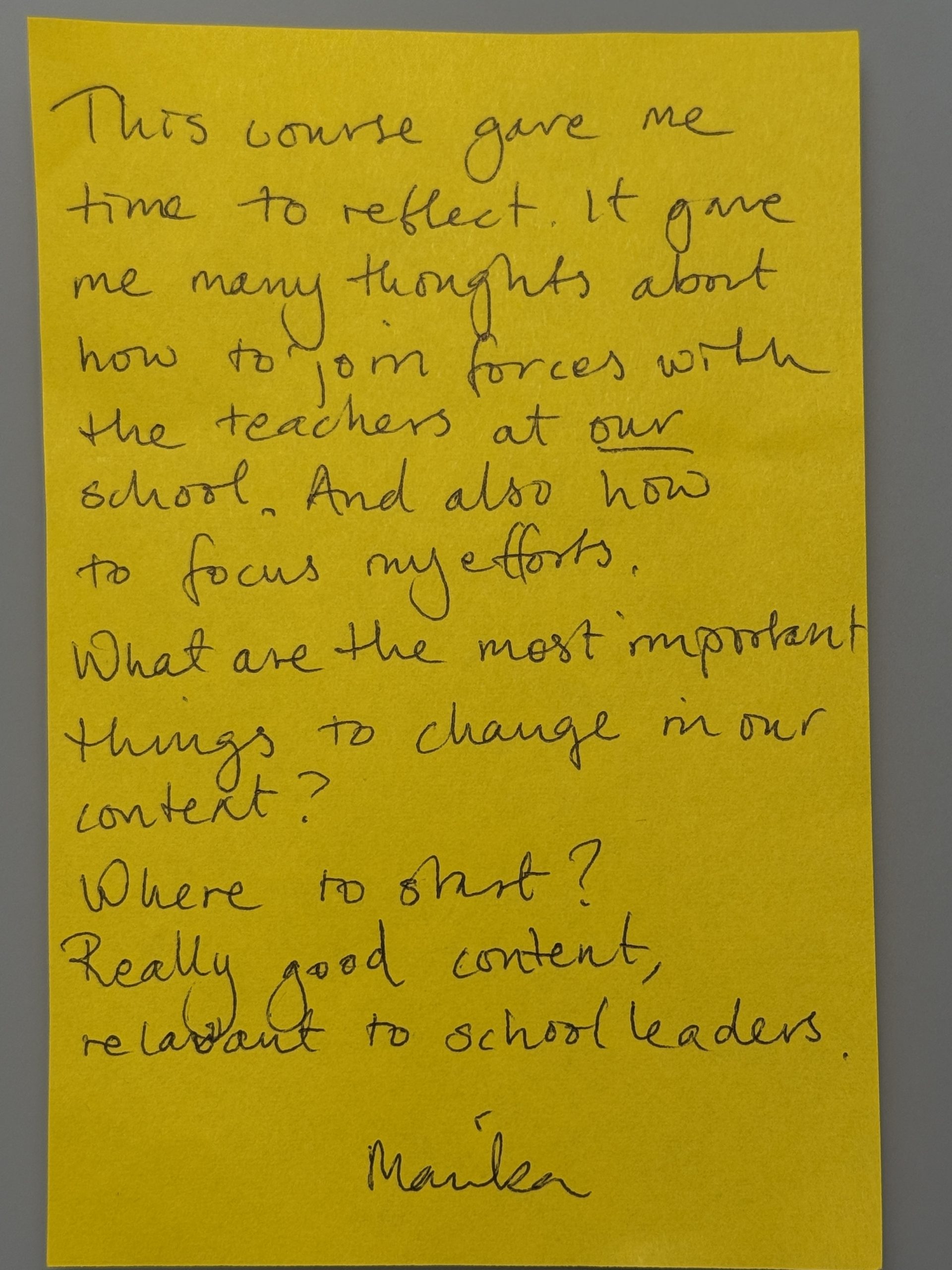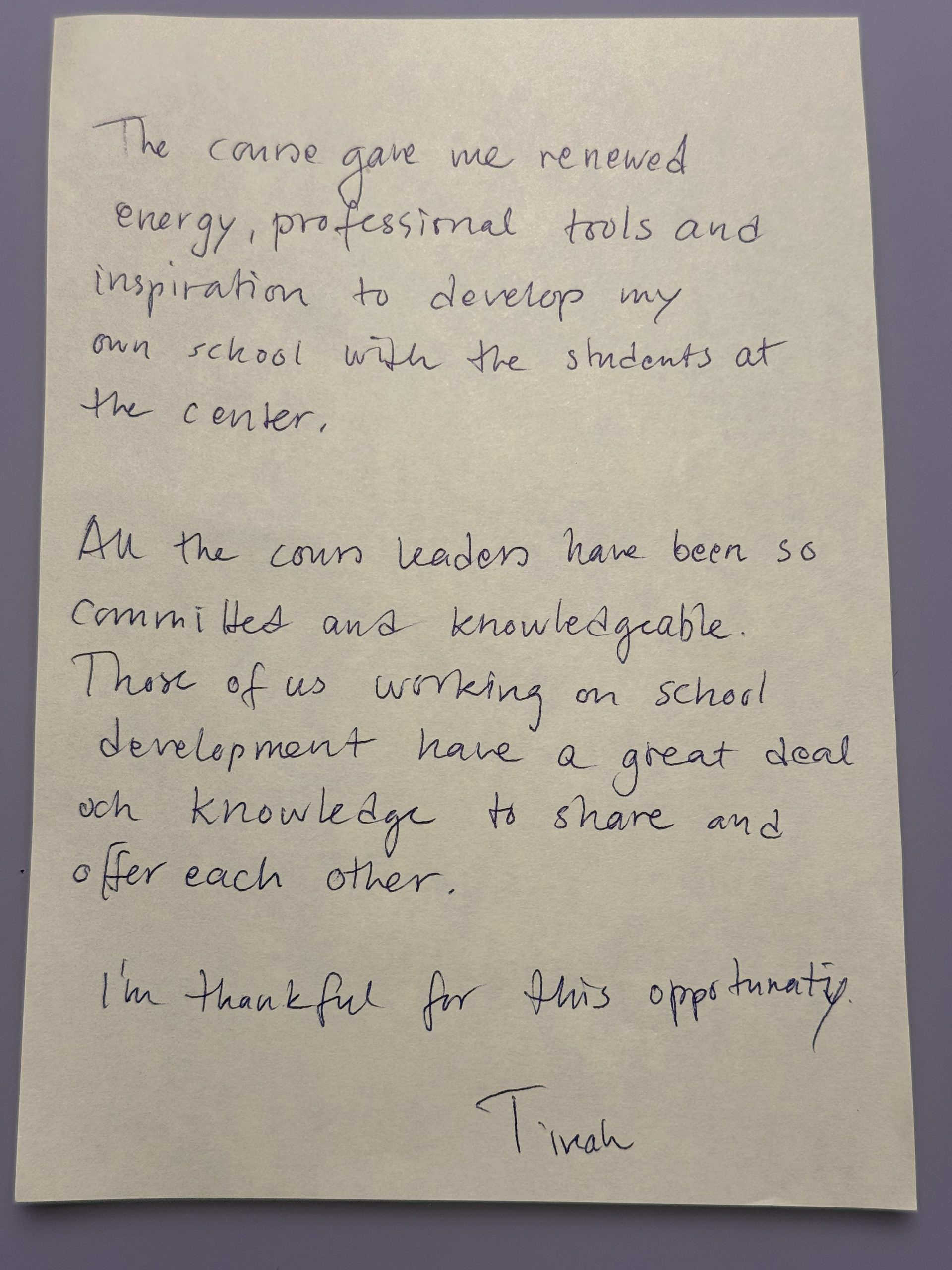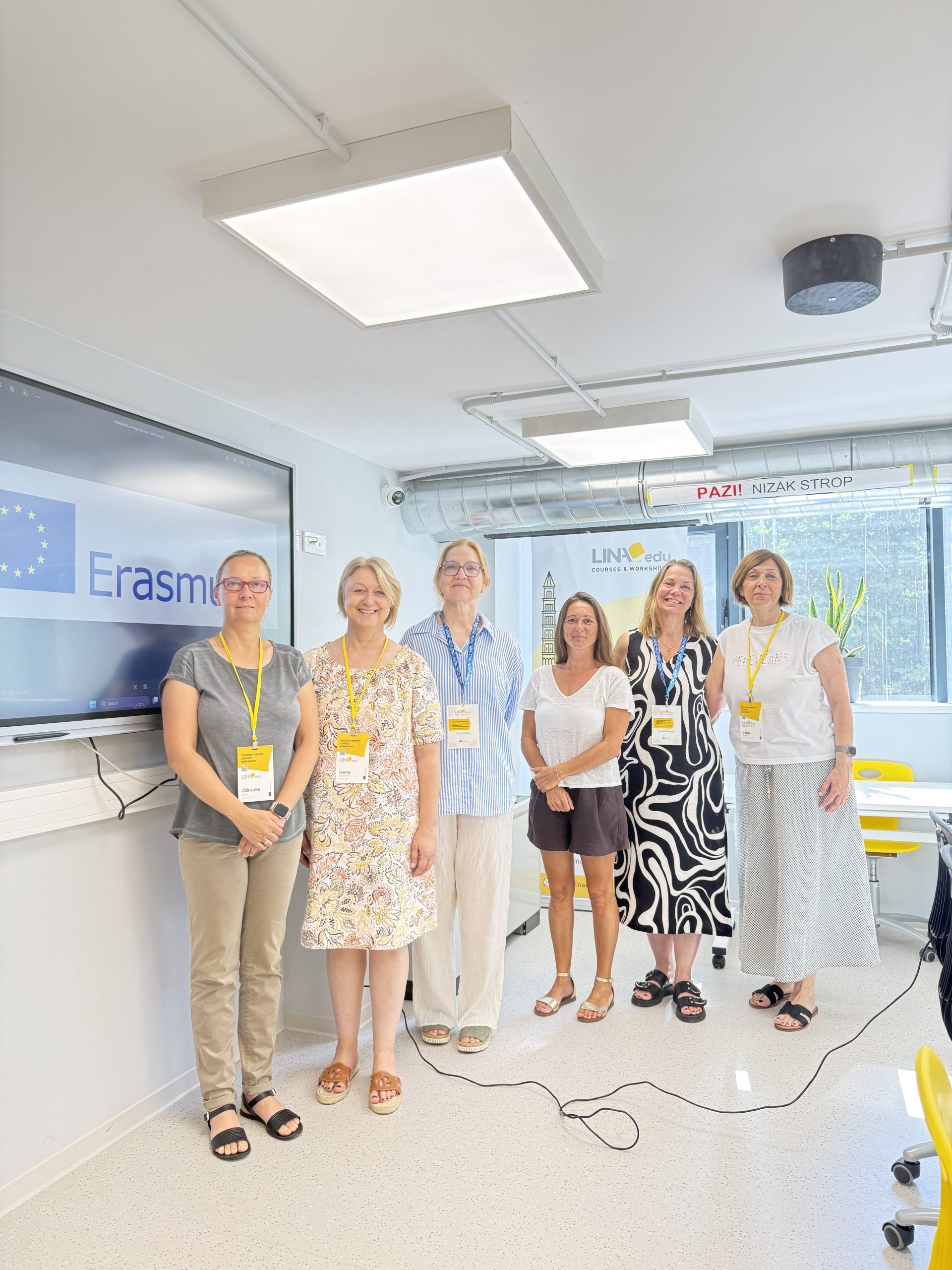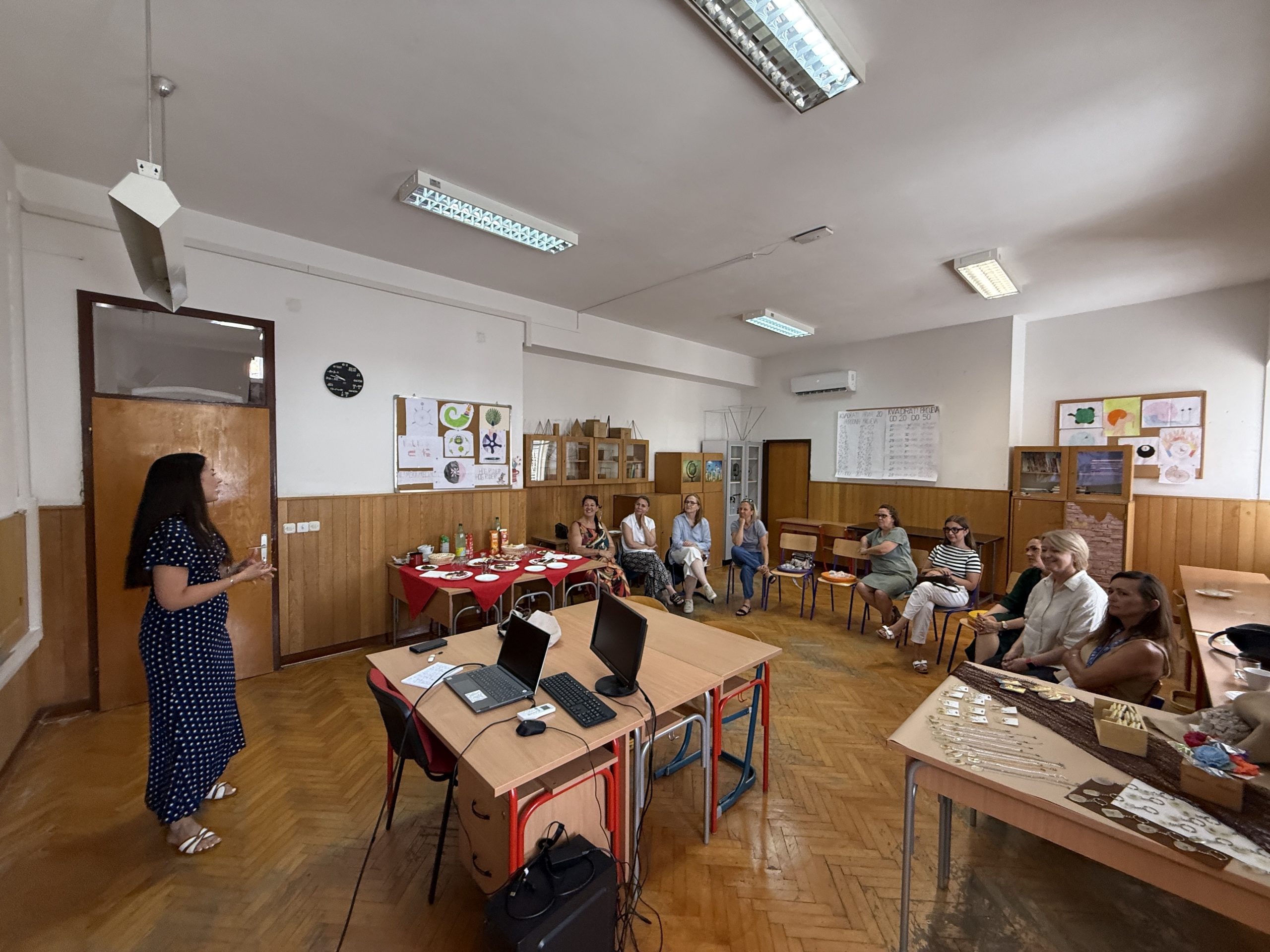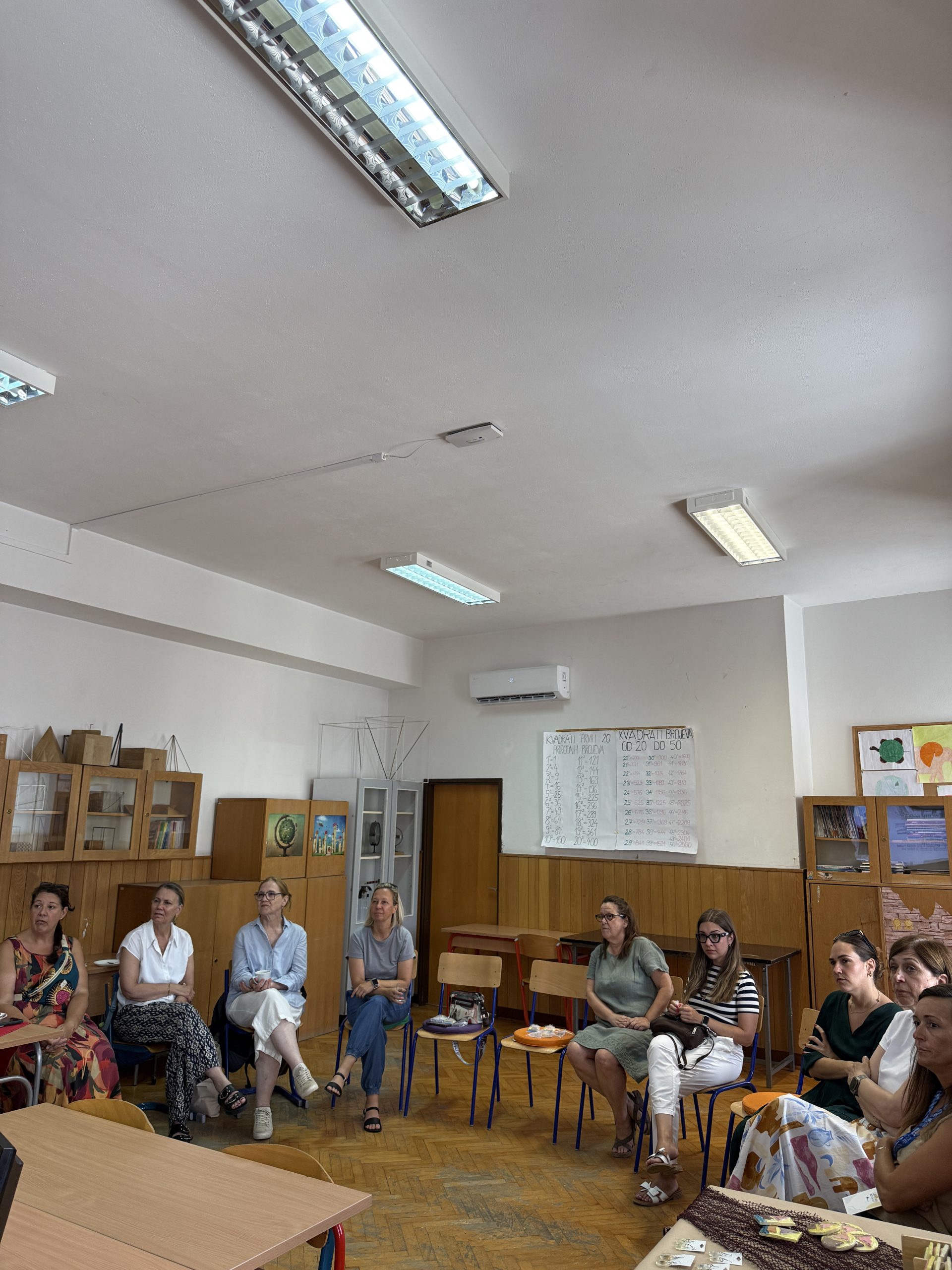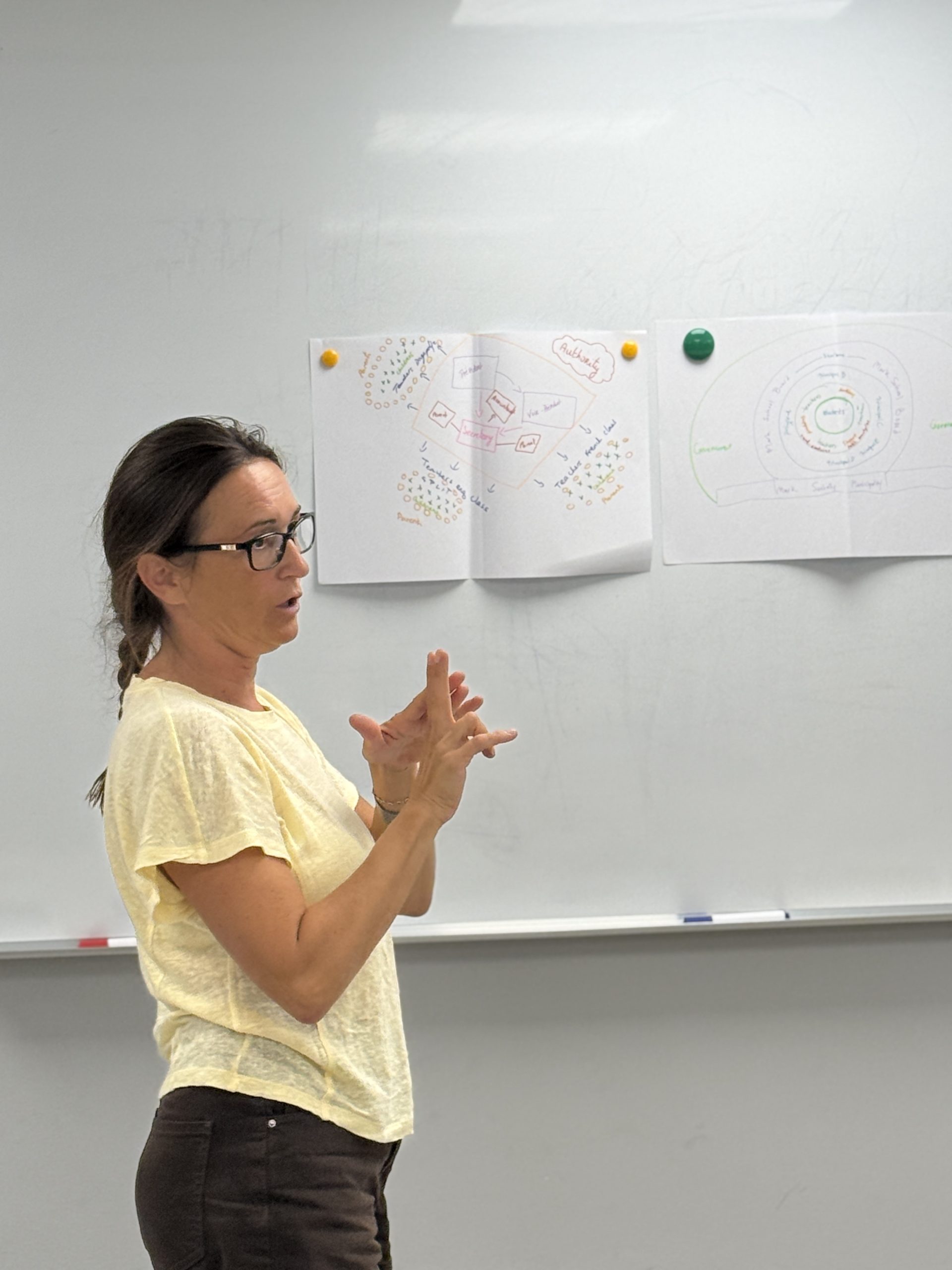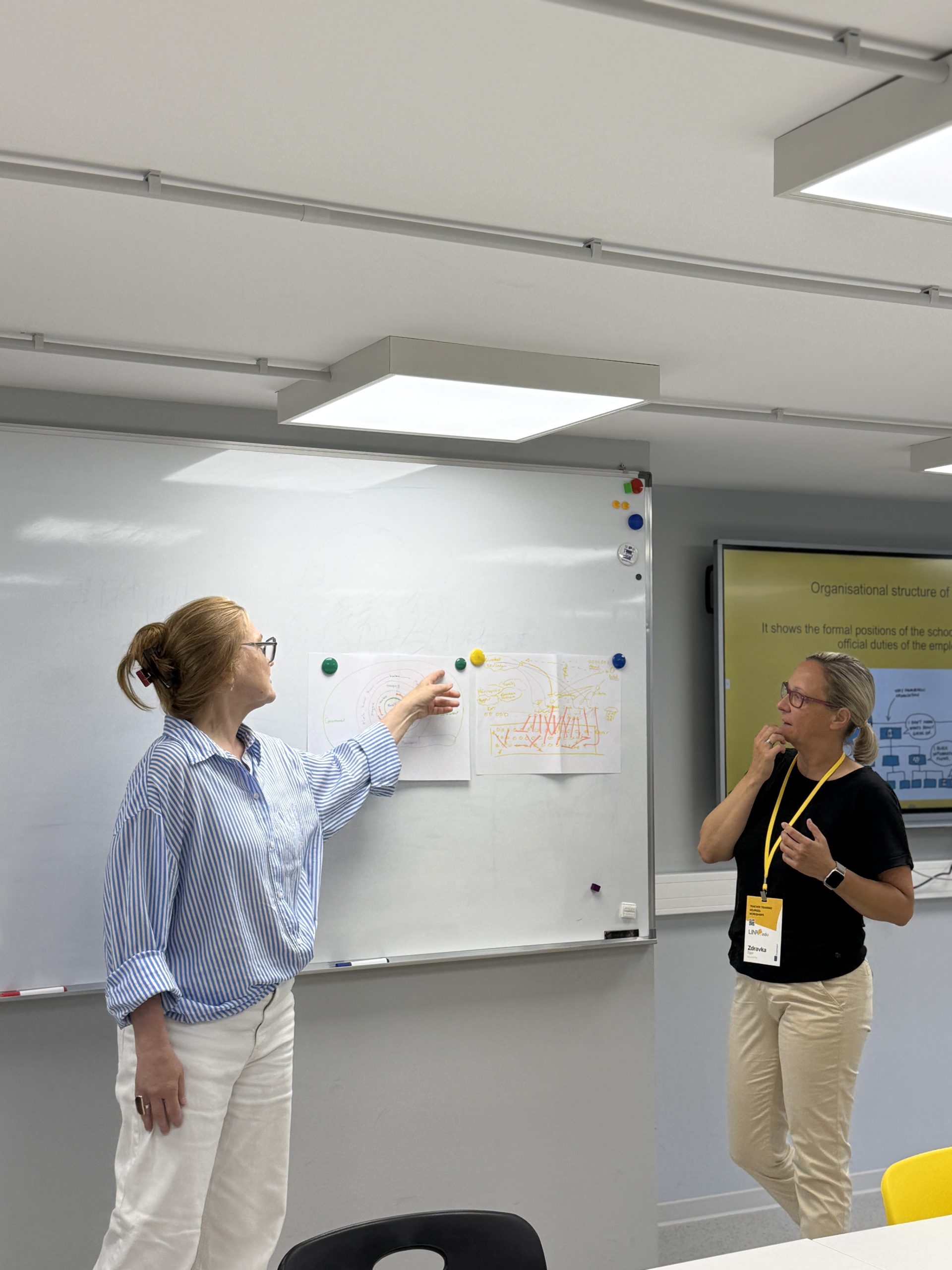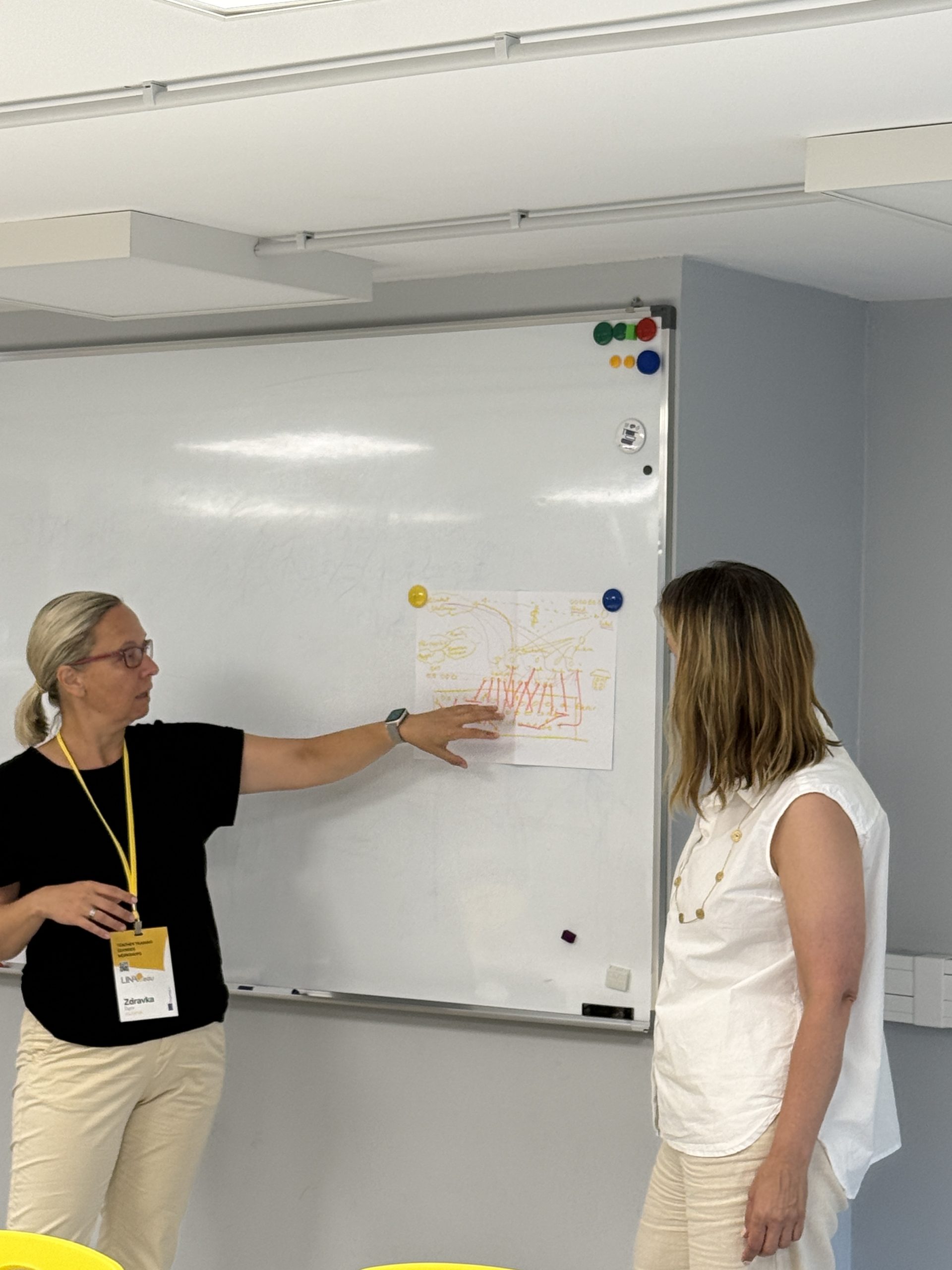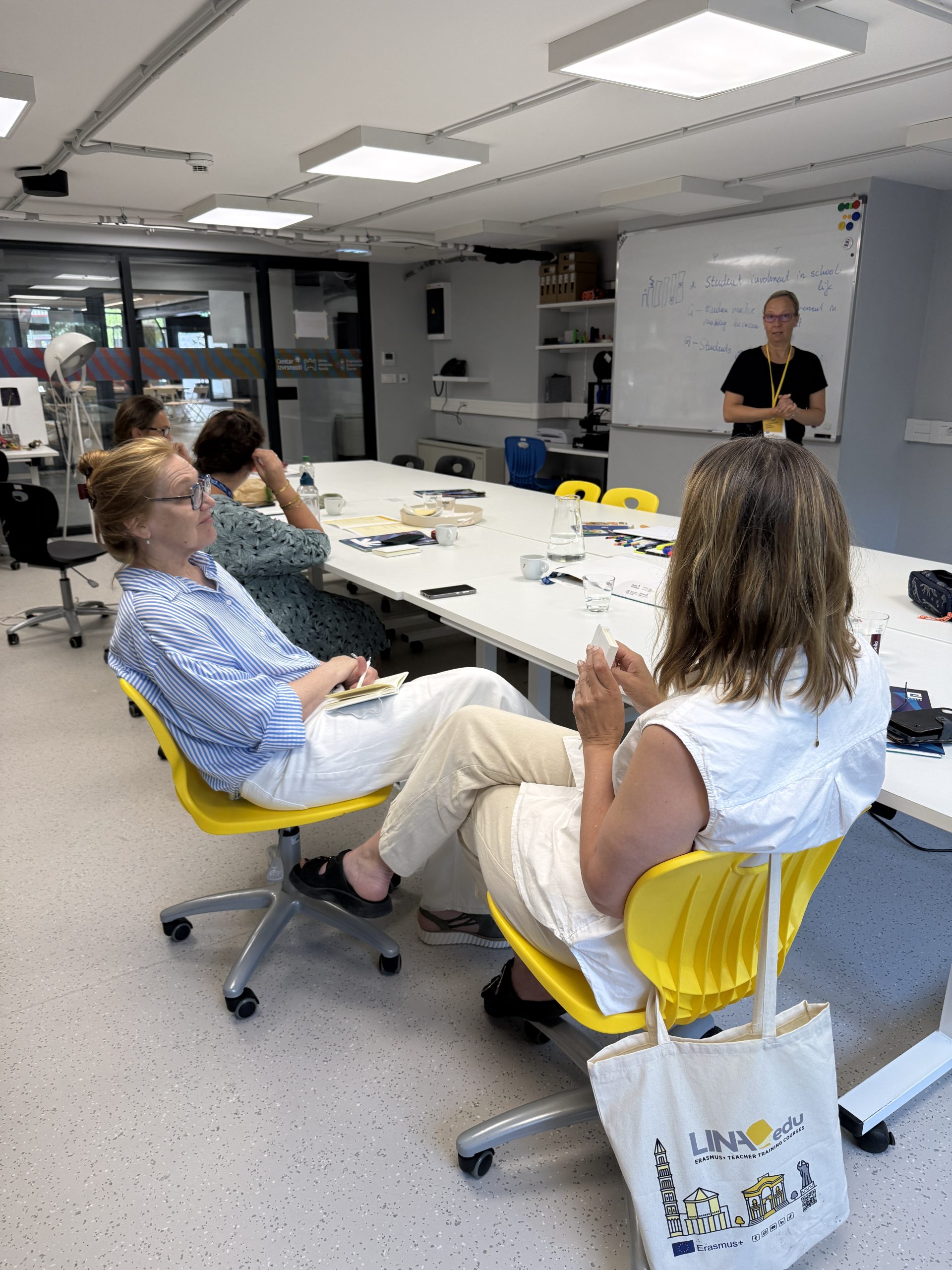
The professional course for school leaders and teachers in leading roles, “Empowering School Leaders and Teachers: Practical Strategies for Inclusive, Sustainable and Visionary School Development”, organized and delivered by Lina Edu and held from 13 –18 July 2026, was successfully concluded with all intended learning outcomes achieved, plus a few added-value benefits that enriched the whole professional development experience.
It was an inspiring learning journey dedicated to strengthening 𝗹𝗲𝗮𝗱𝗲𝗿𝘀𝗵𝗶𝗽 𝗶𝗻 𝗲𝗱𝘂𝗰𝗮𝘁𝗶𝗼𝗻 and 𝗲𝗺𝗽𝗼𝘄𝗲𝗿𝗶𝗻𝗴 𝘀𝗰𝗵𝗼𝗼𝗹 𝗹𝗲𝗮𝗱𝗲𝗿𝘀 𝘁𝗼 𝗰𝗿𝗲𝗮𝘁𝗲 𝗺𝗲𝗮𝗻𝗶𝗻𝗴𝗳𝘂𝗹, 𝗳𝘂𝘁𝘂𝗿𝗲–𝗼𝗿𝗶𝗲𝗻𝘁𝗲𝗱 𝘀𝗰𝗵𝗼𝗼𝗹𝘀.
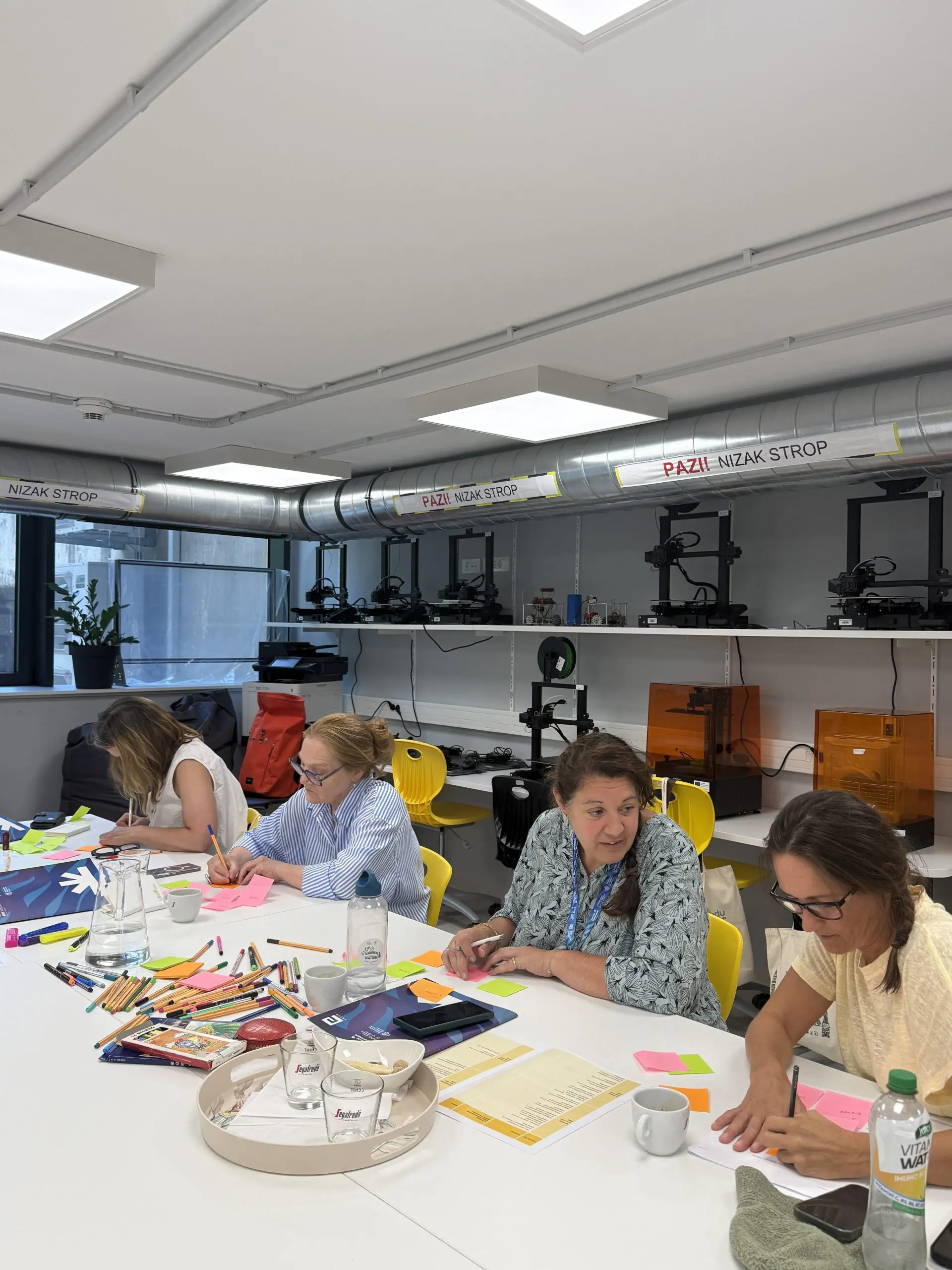
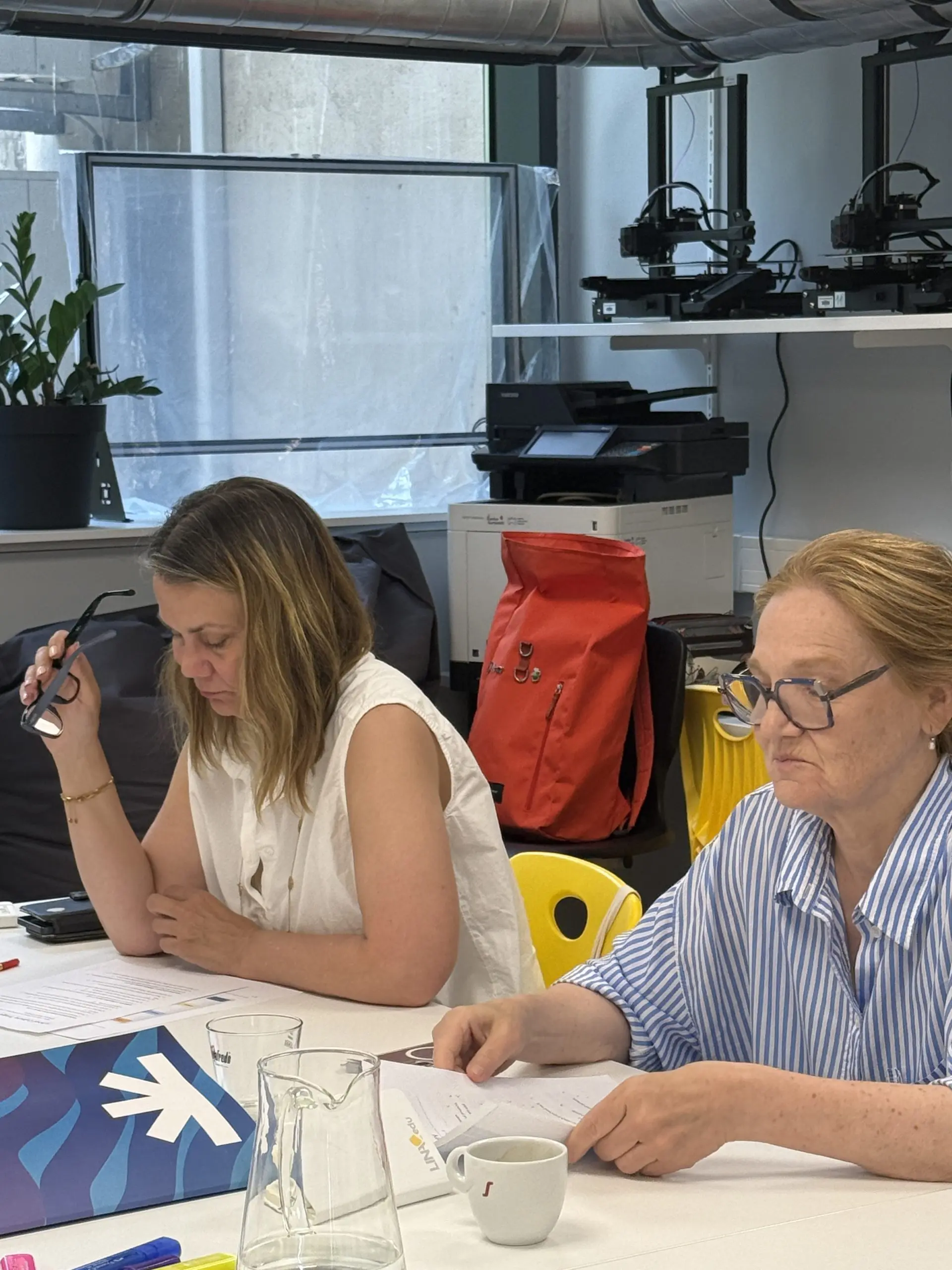
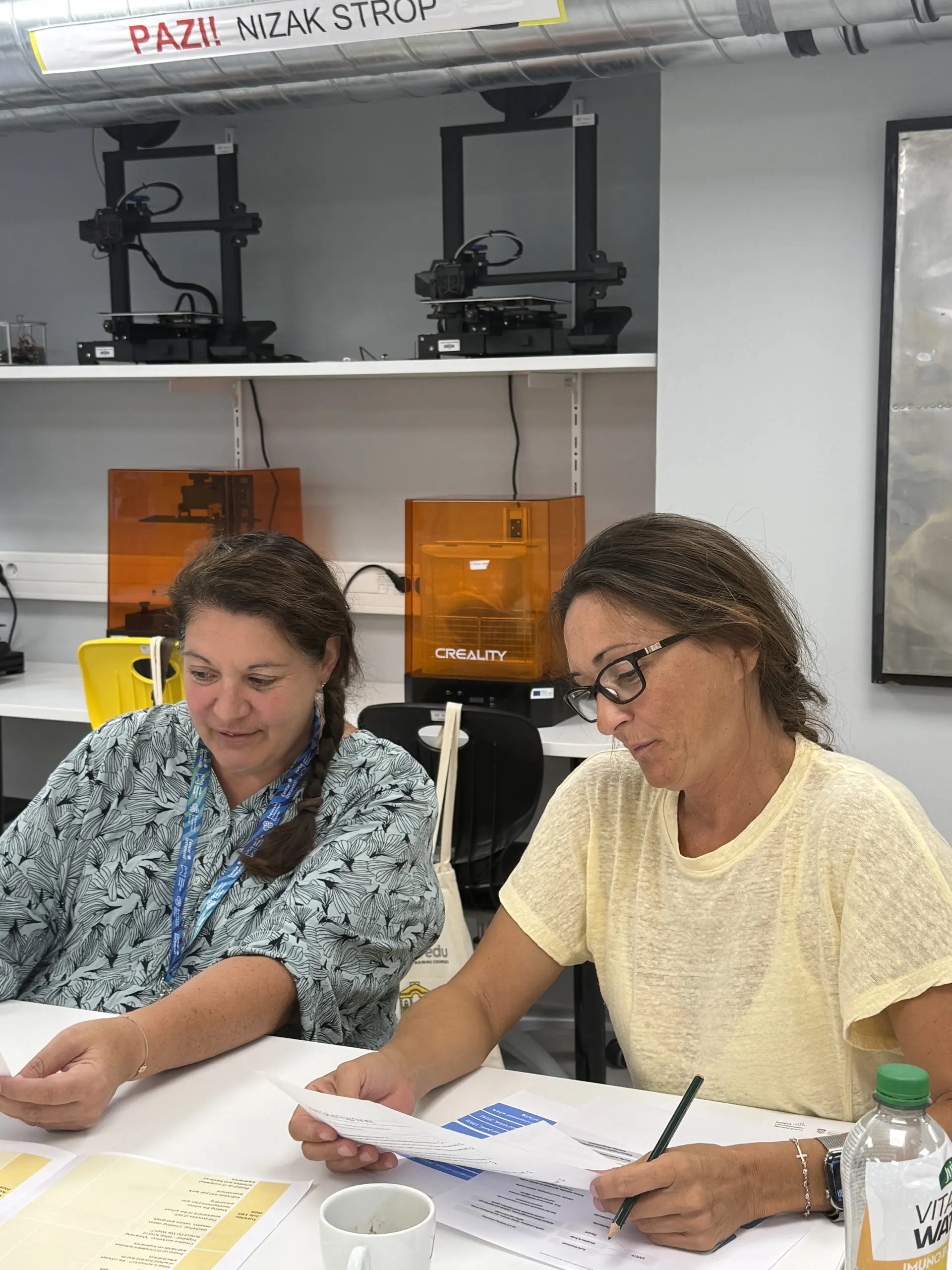
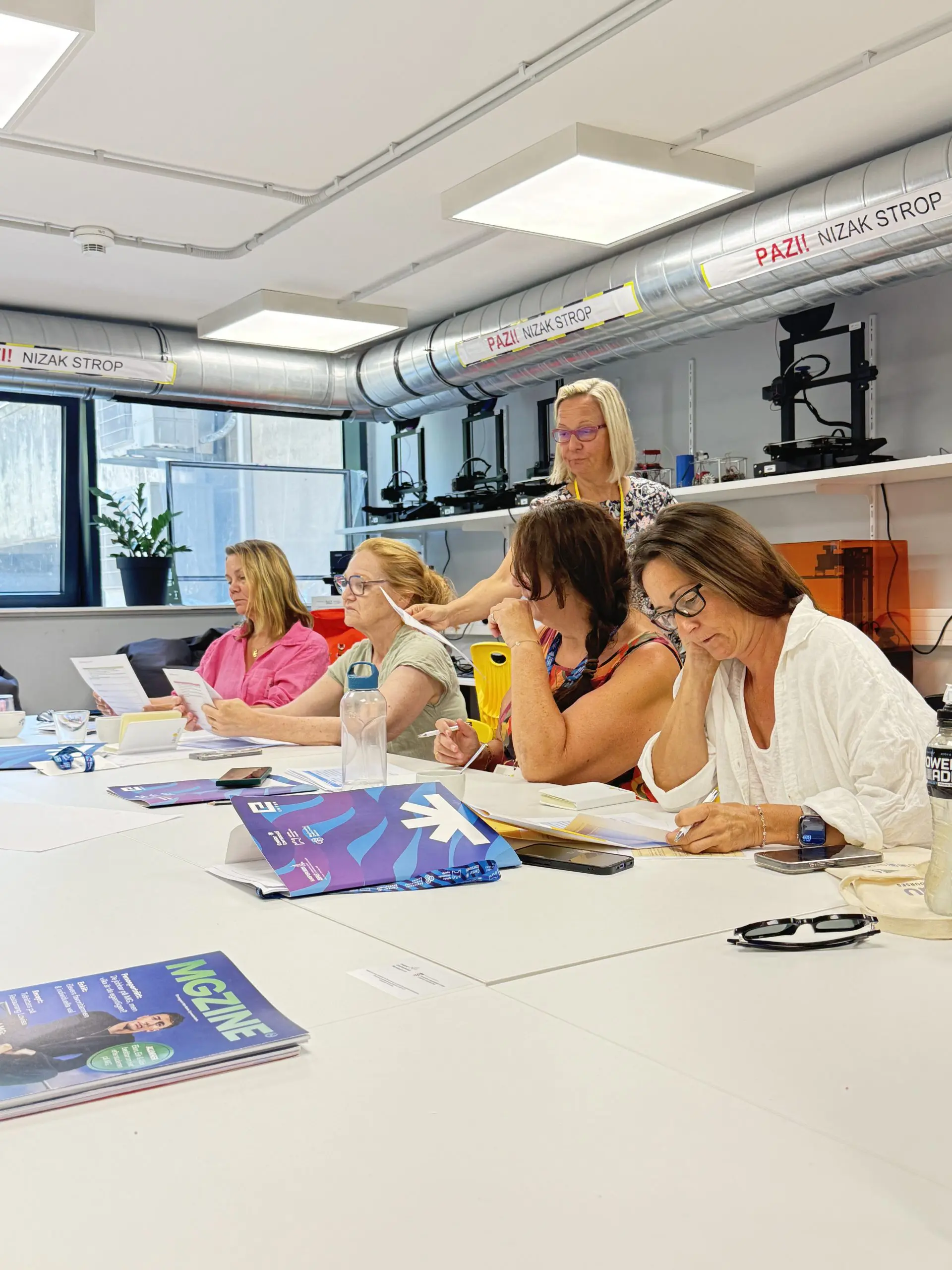
An overview of some of the activities, learning atmosphere, and dynamics follows.
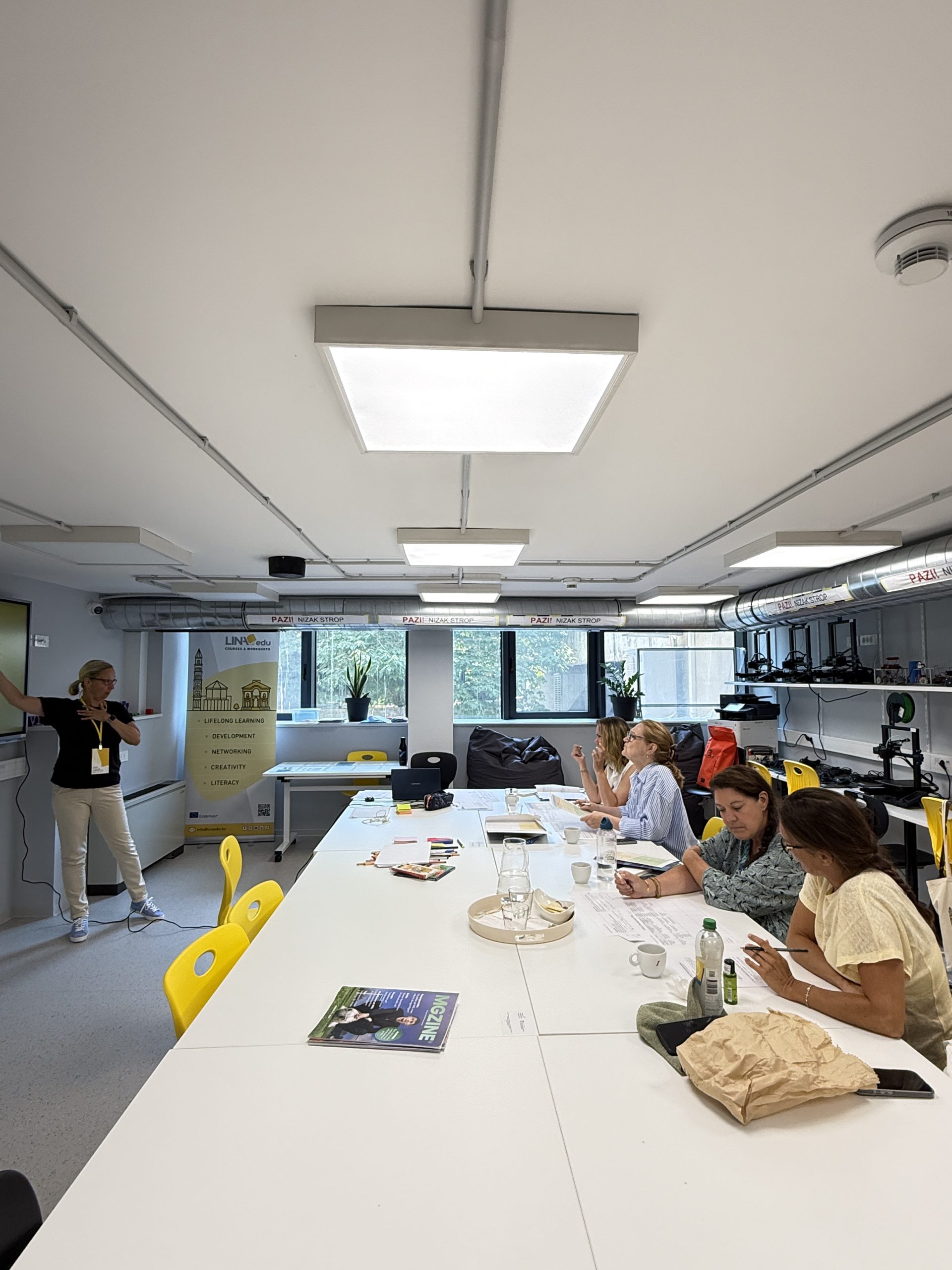
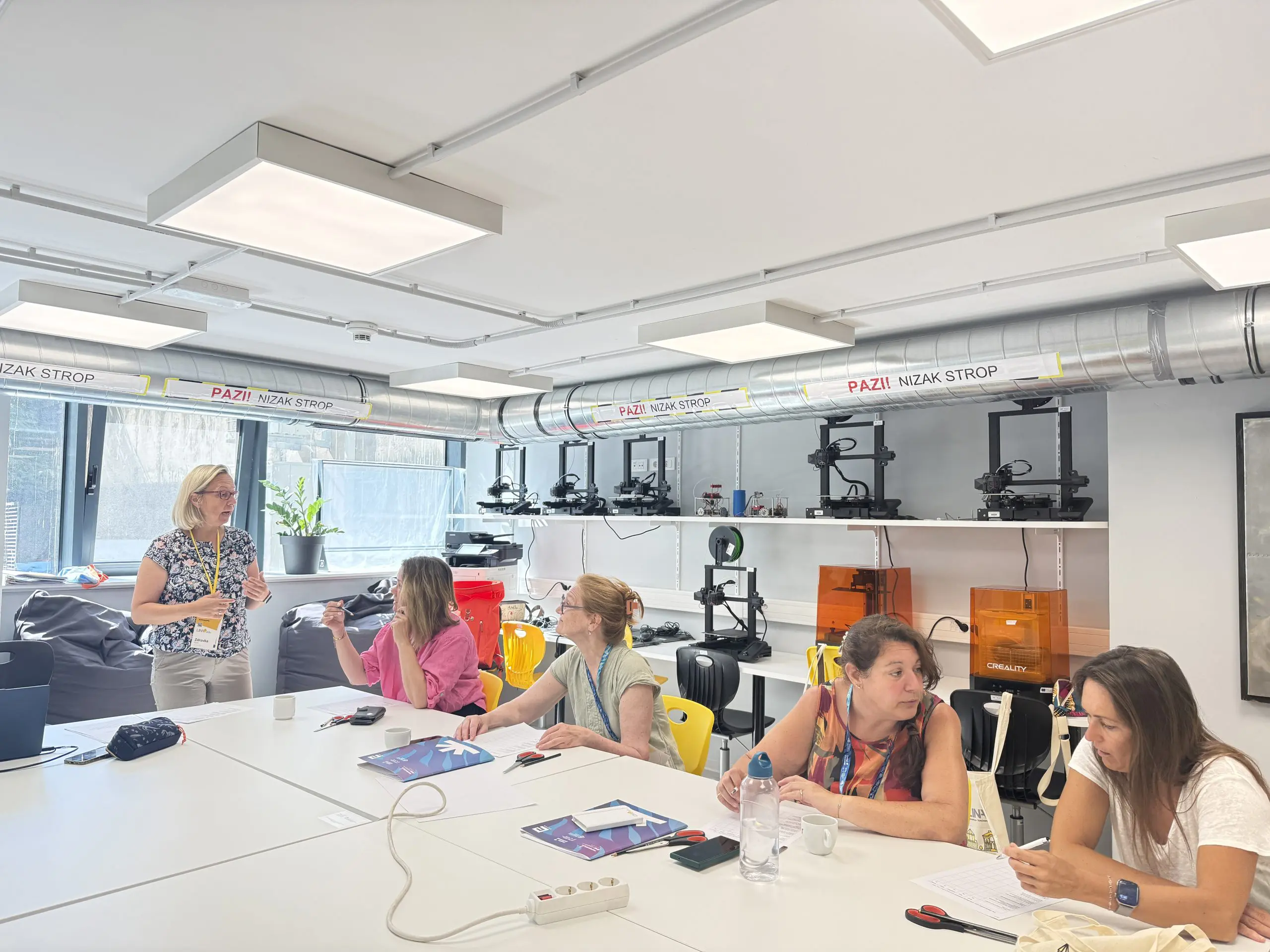
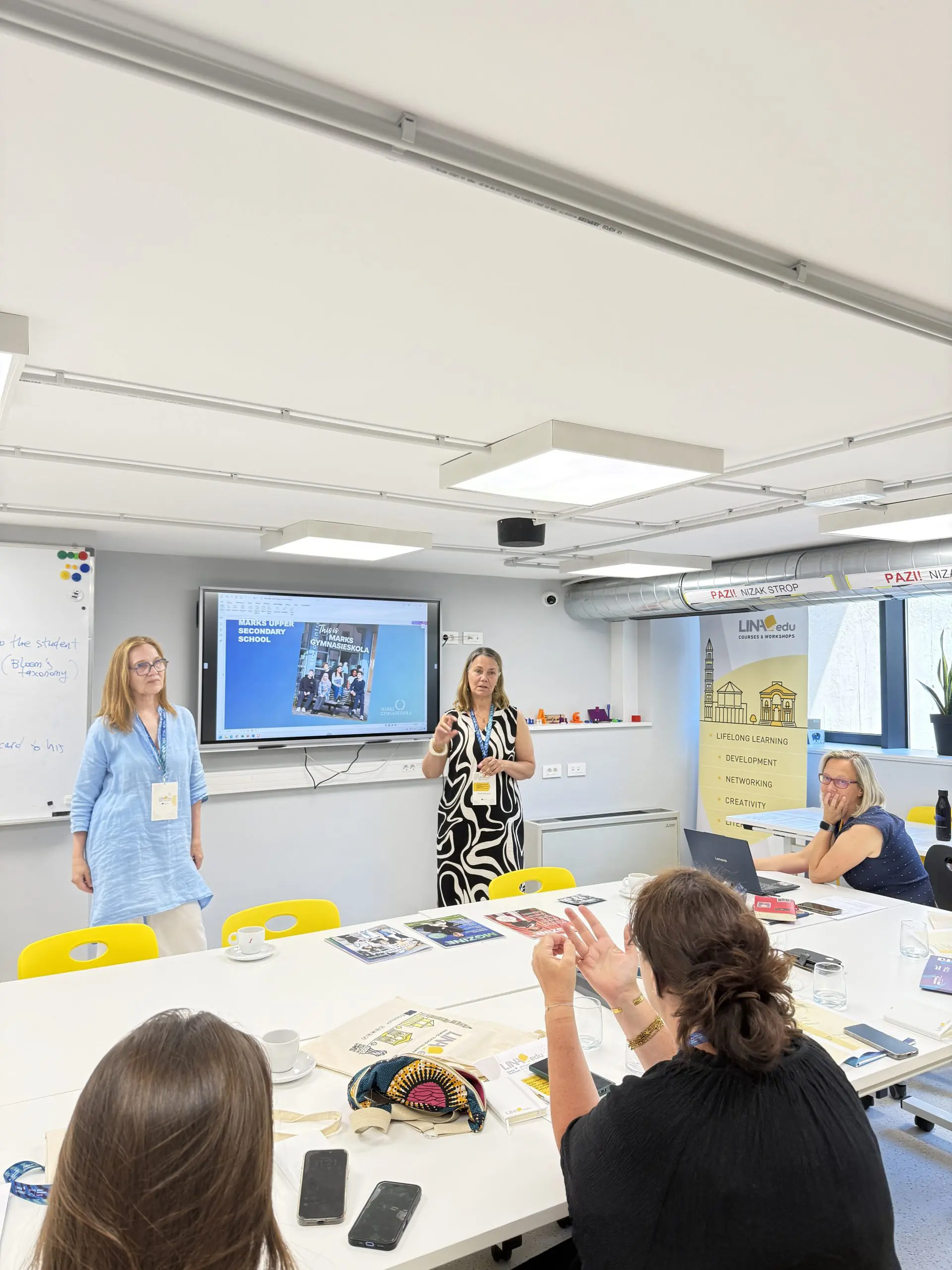
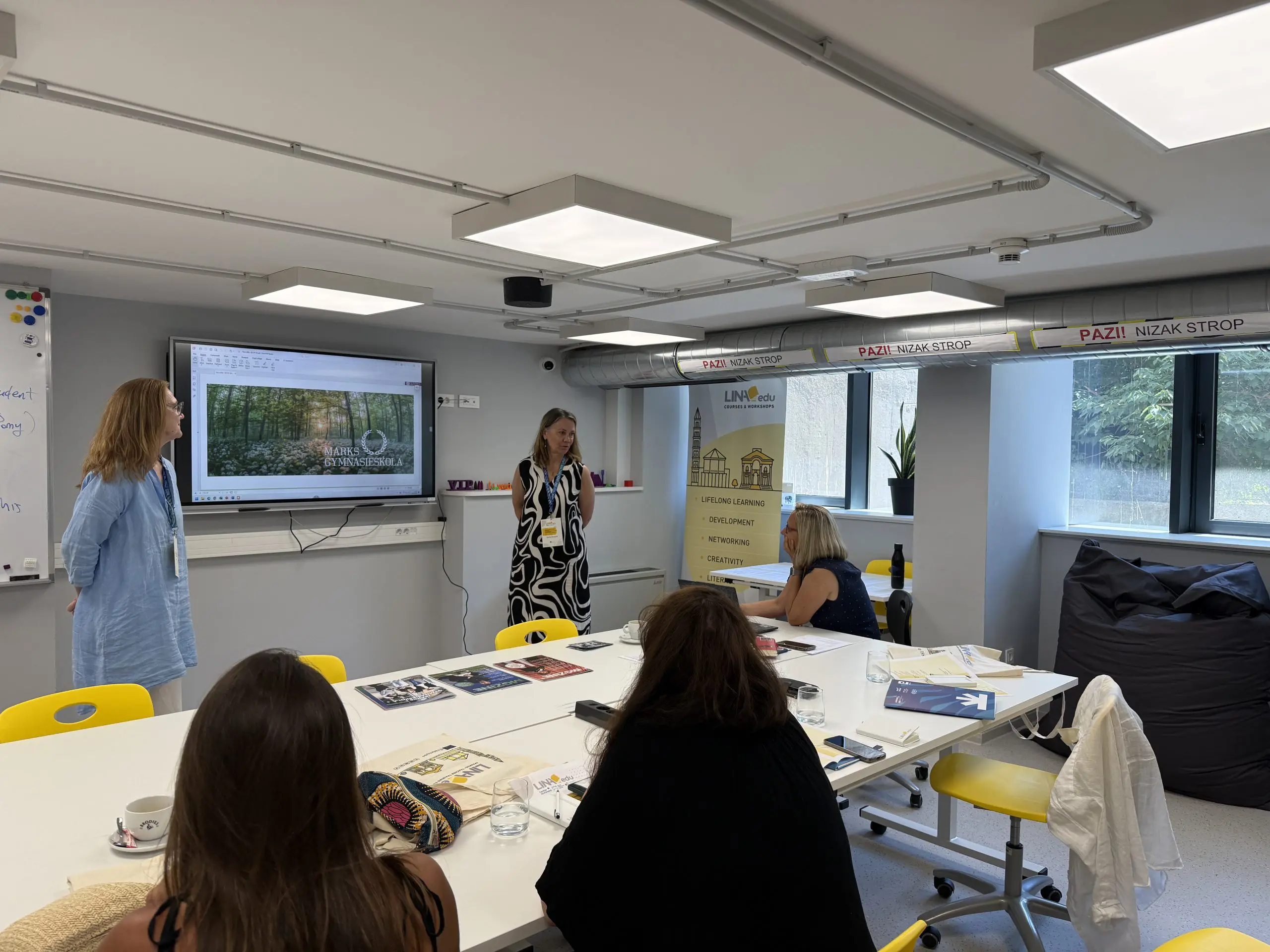
Throughout the first day, the course participants explored:
- The school as a dynamic system
- The evolving role and responsibilities of the school principal
- The difference between school management and educational leadership
- Leadership concepts, styles, and approaches in today’s educational landscape
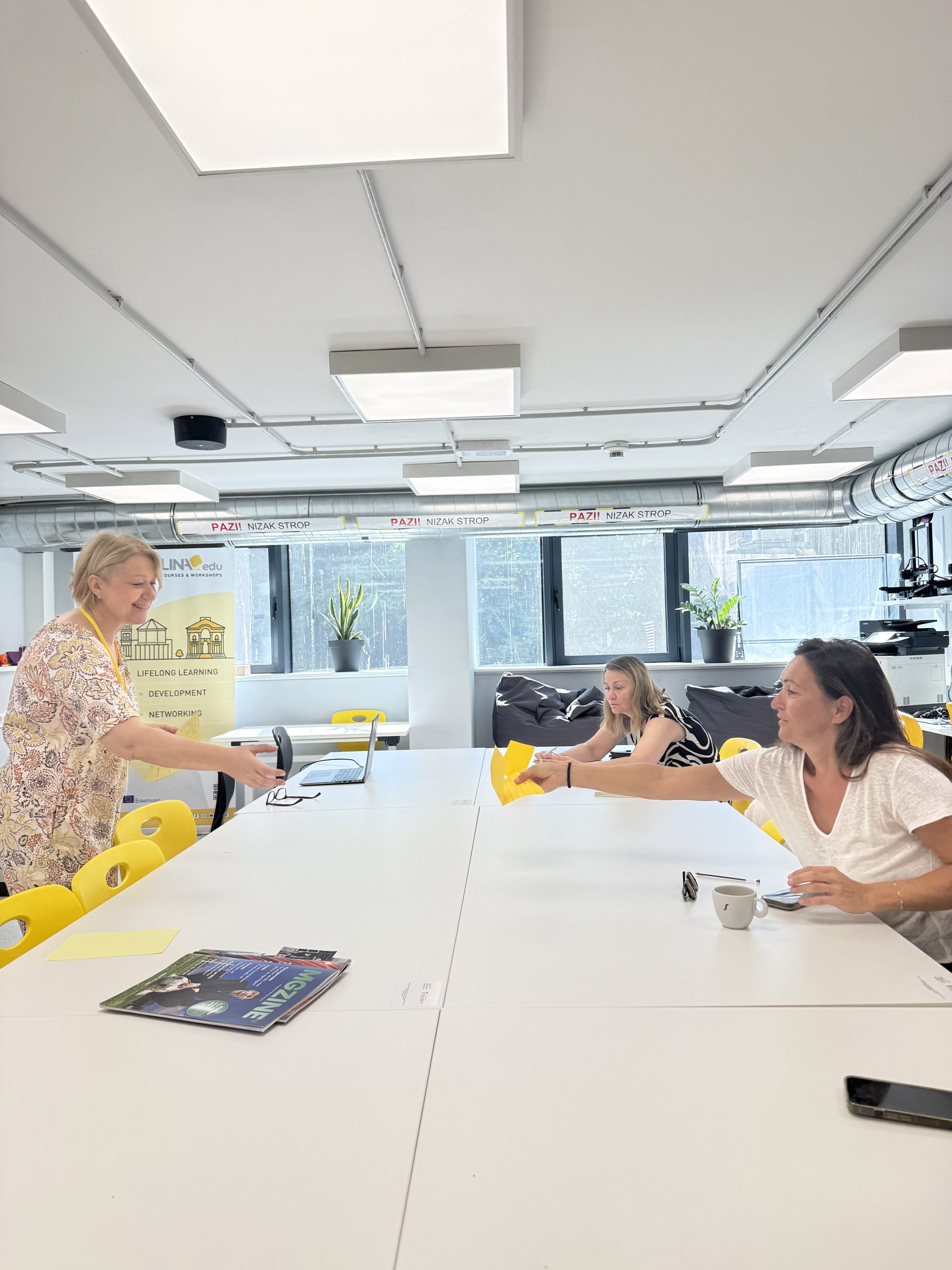
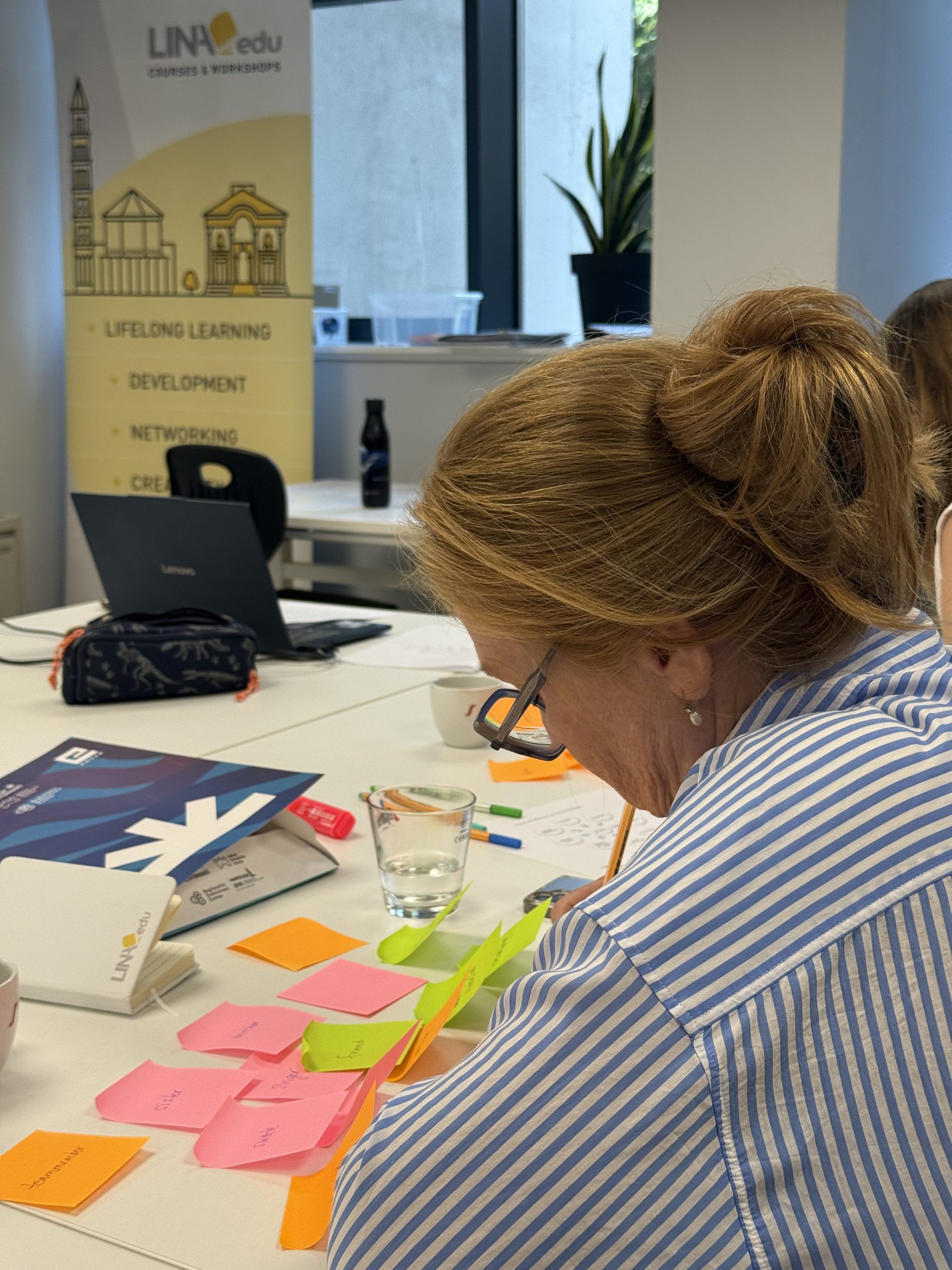
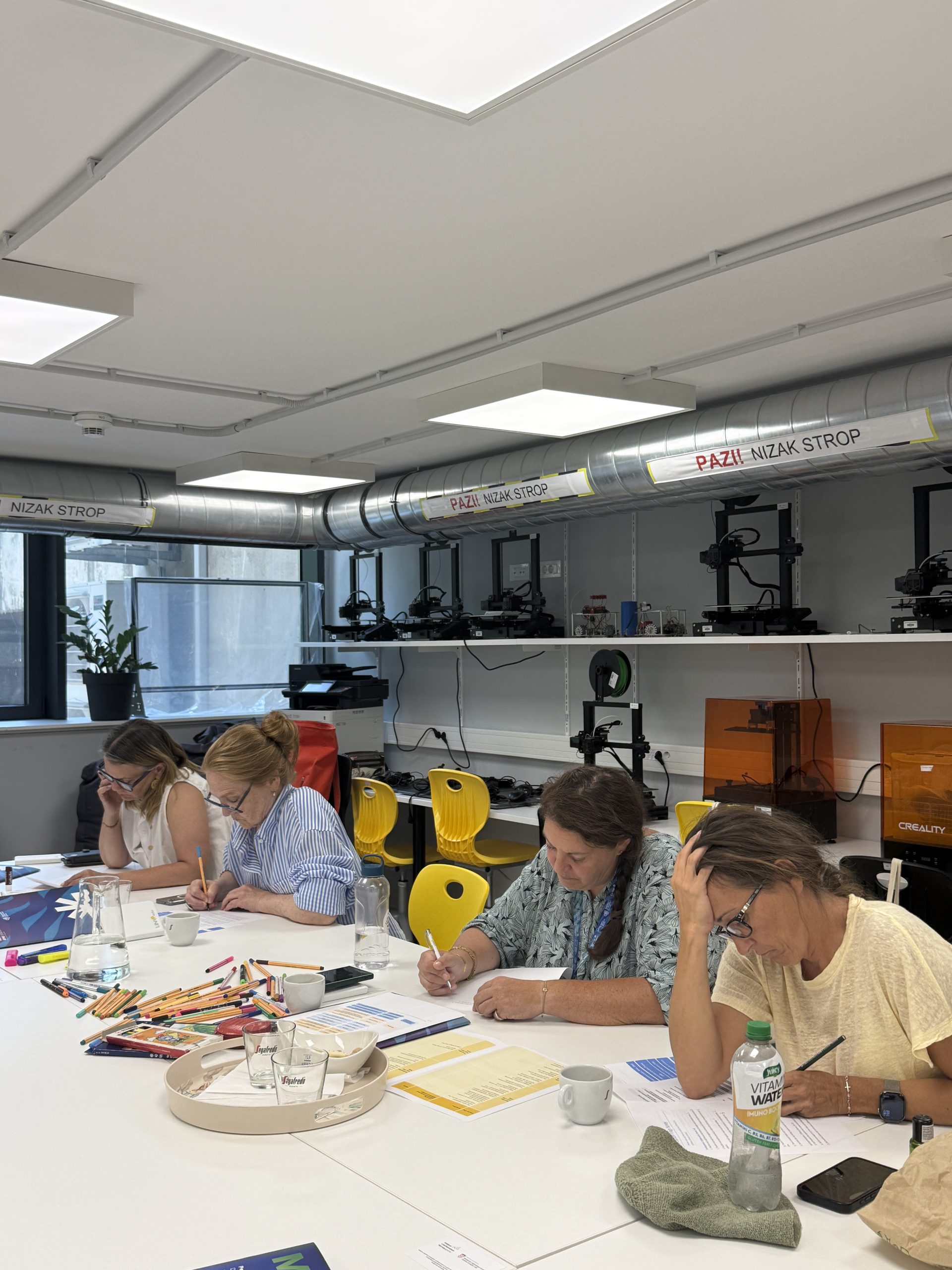
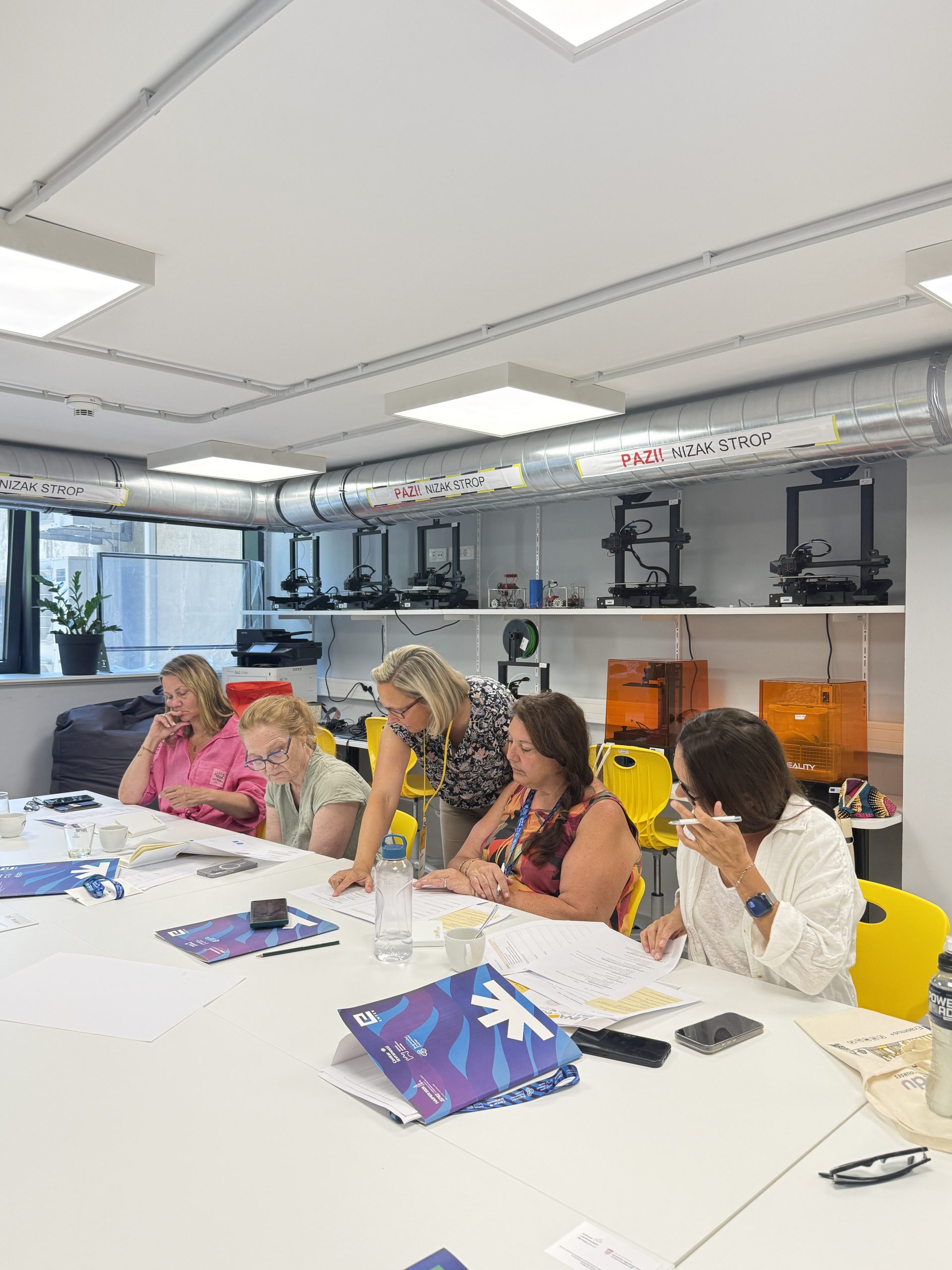
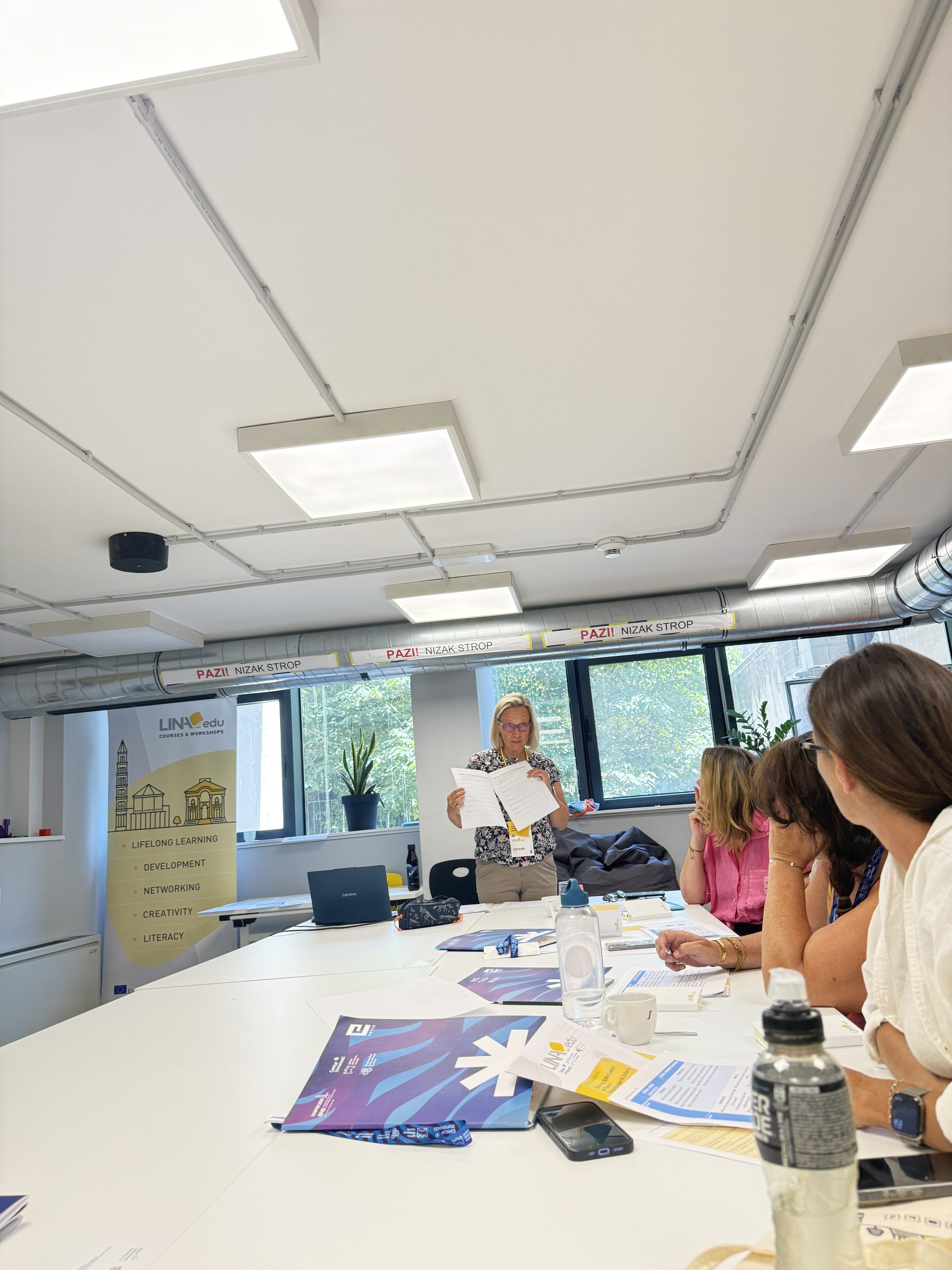
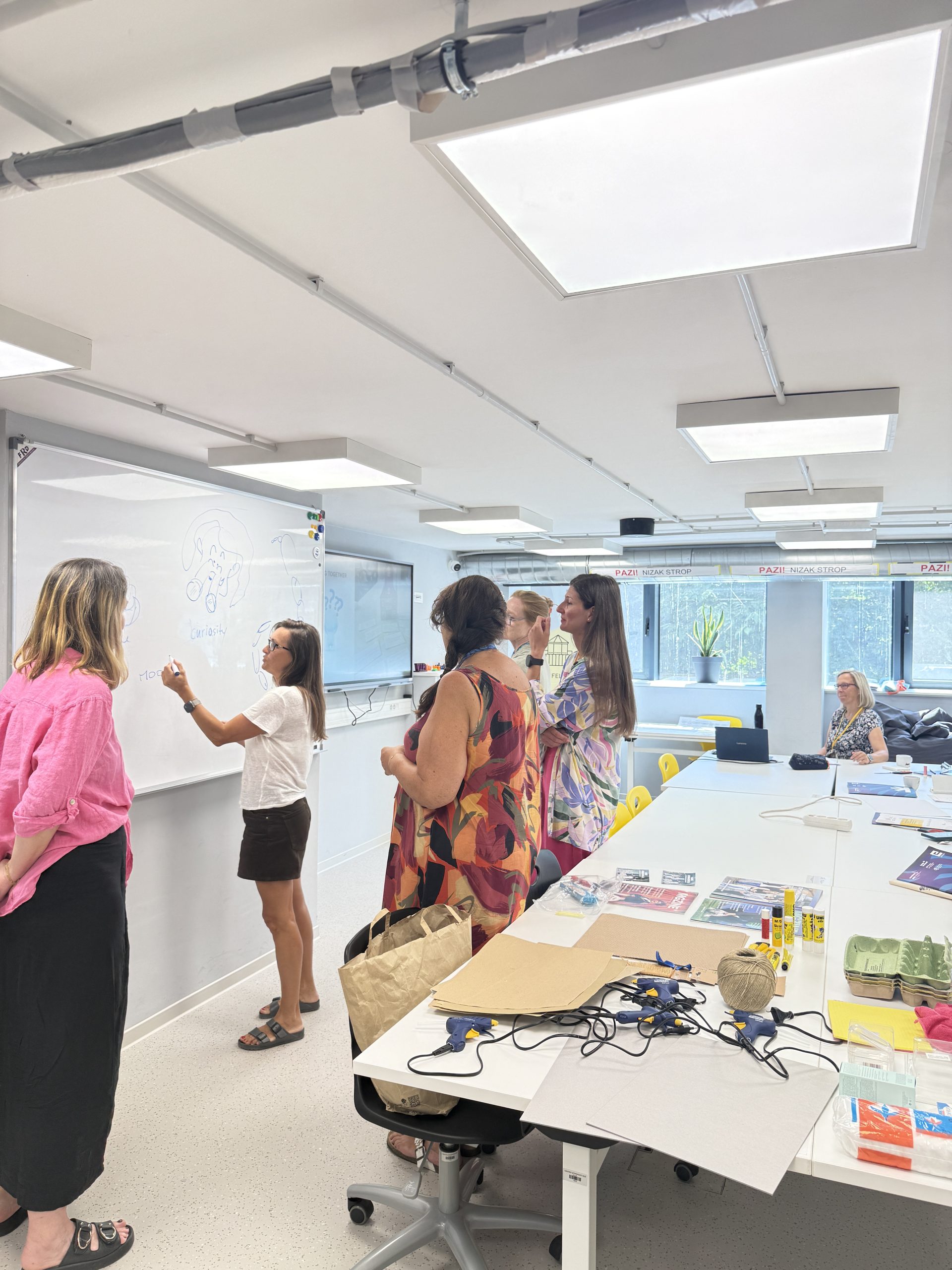
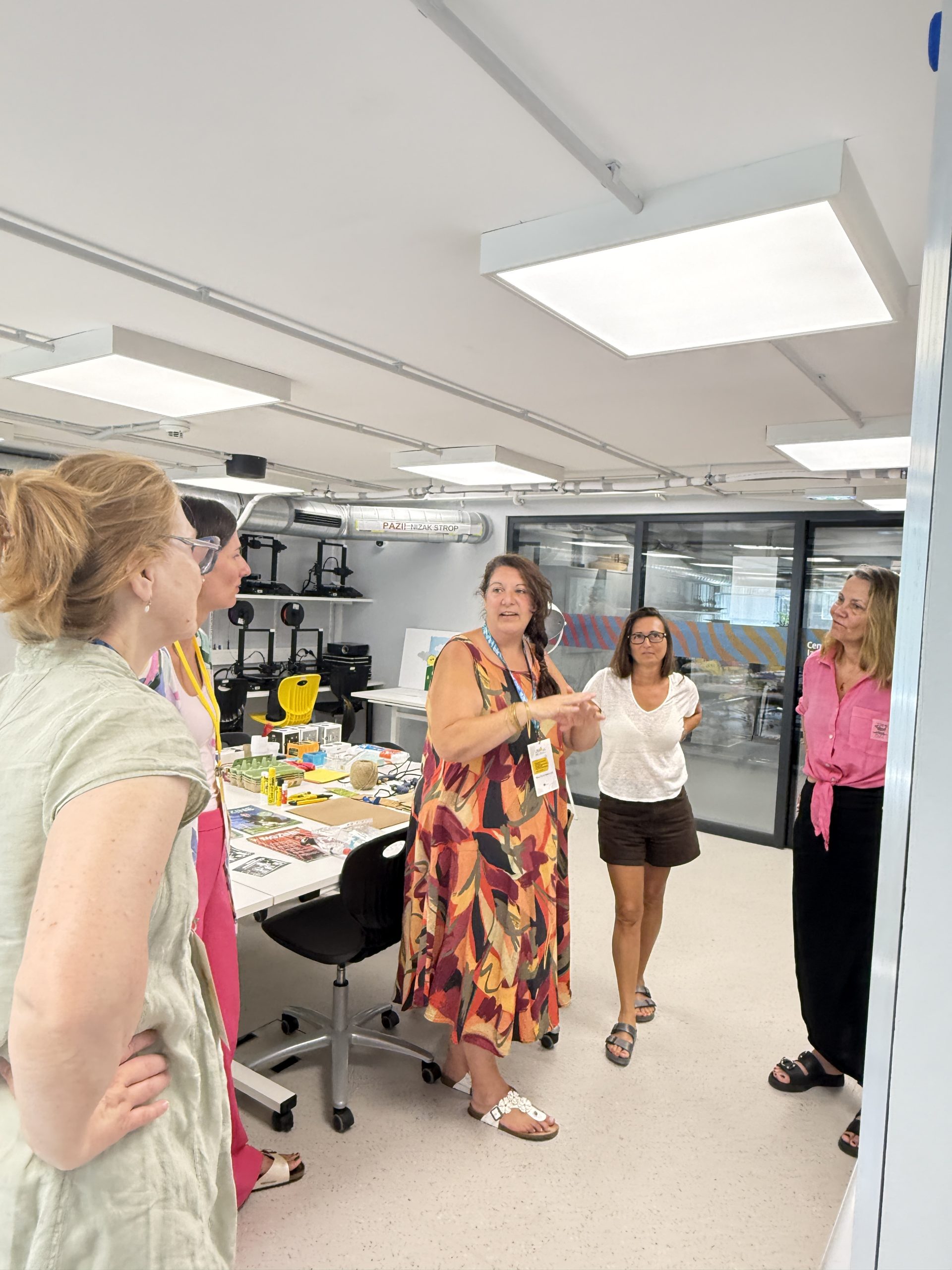
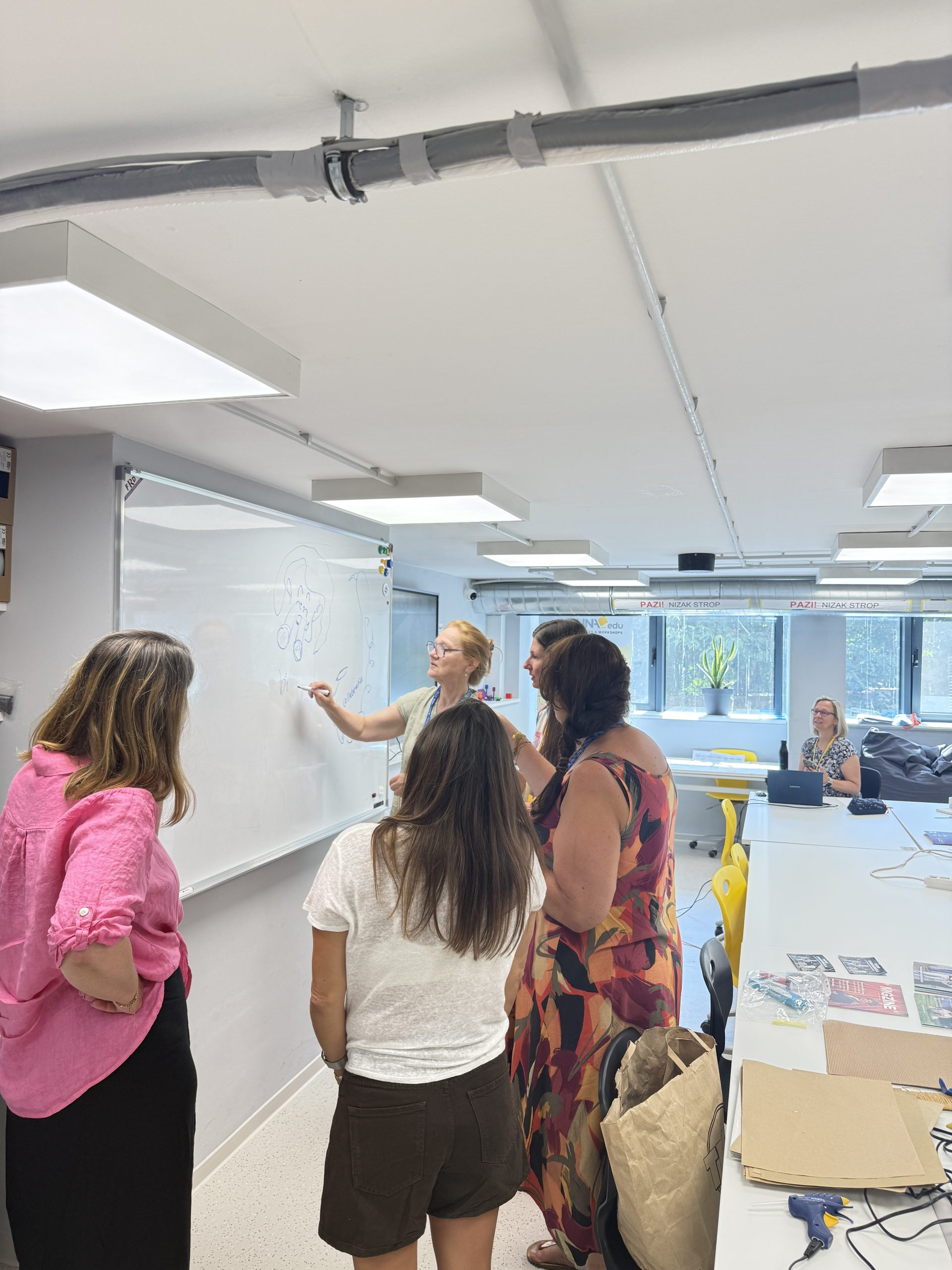
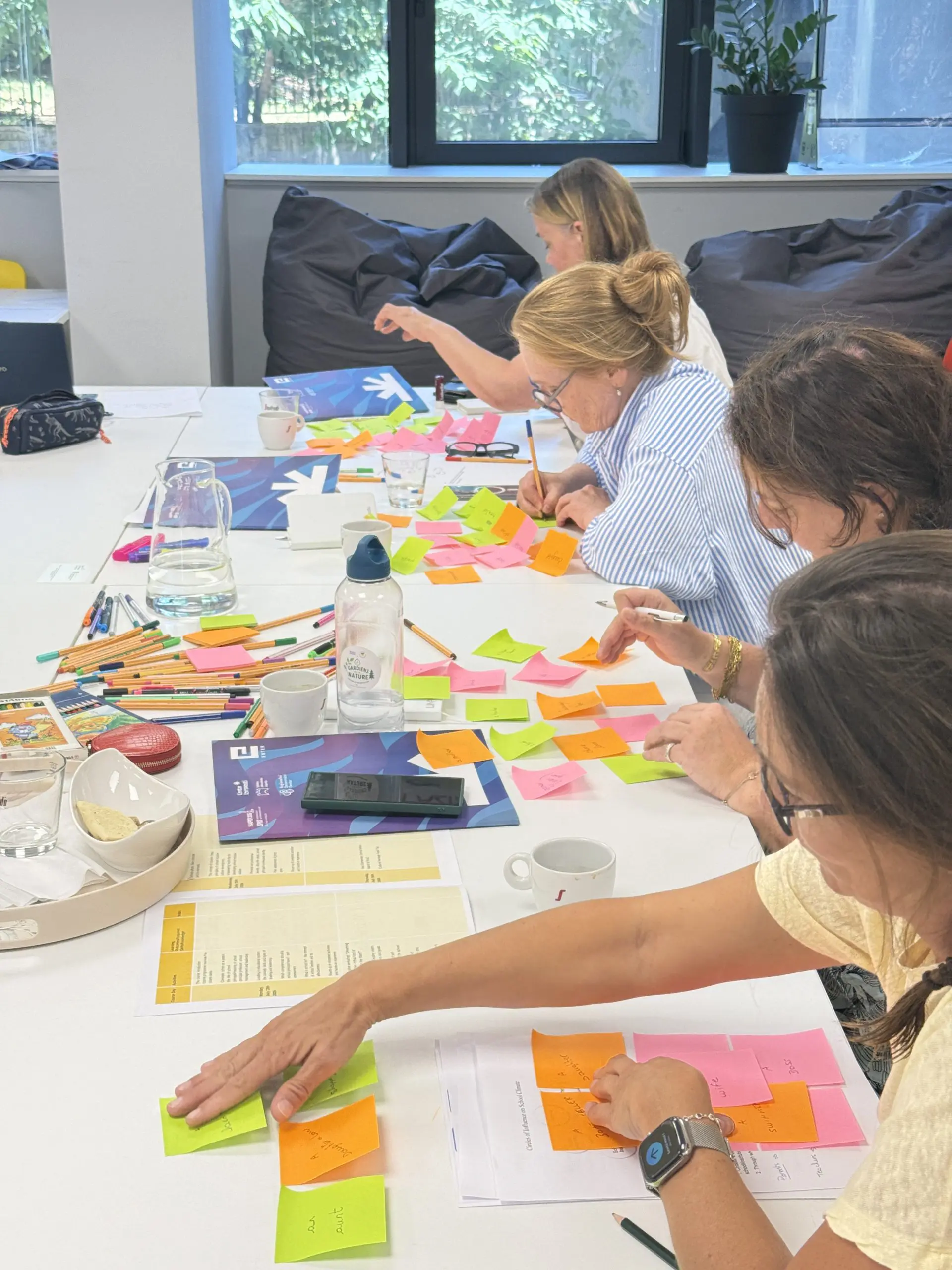
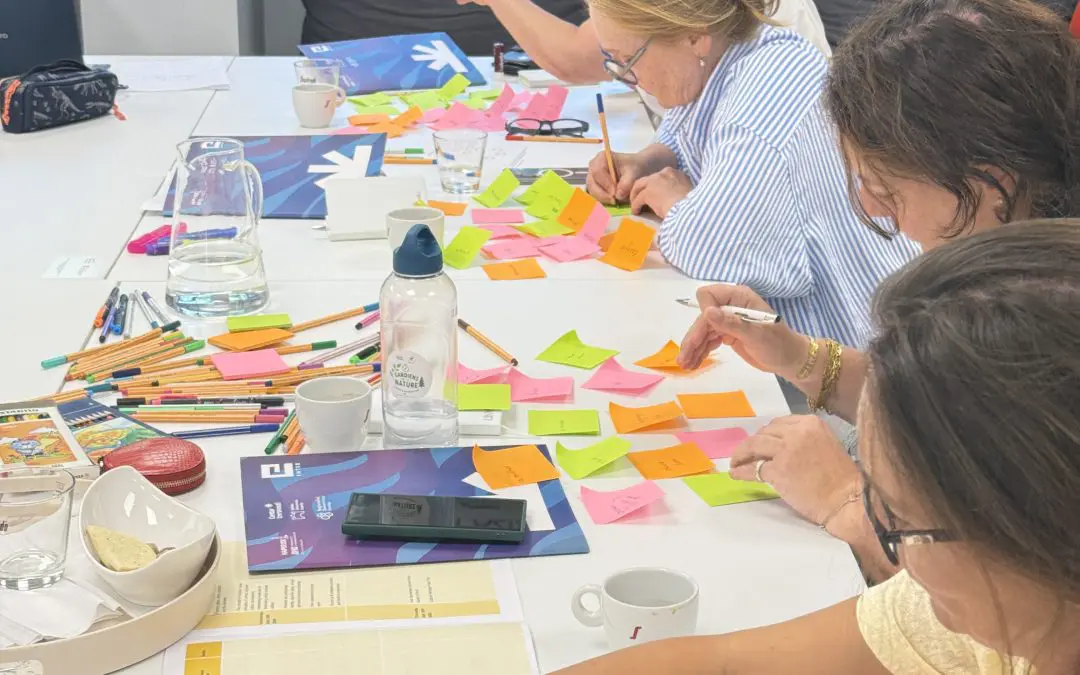
The day combined our 𝗲𝗱𝘂𝗰𝗮𝘁𝗼𝗿‘𝘀 𝗶𝗻𝗽𝘂𝘁 – the educator is a school principal herself, with rich working practice and experience – with 𝗰𝗼𝗹𝗹𝗮𝗯𝗼𝗿𝗮𝘁𝗶𝘃𝗲 𝗱𝗶𝘀𝗰𝘂𝘀𝘀𝗶𝗼𝗻𝘀, 𝗿𝗲𝗳𝗹𝗲𝗰𝘁𝗶𝘃𝗲 𝗮𝗰𝘁𝗶𝘃𝗶𝘁𝗶𝗲𝘀, 𝗮𝗻𝗱 𝗽𝗿𝗮𝗰𝘁𝗶𝗰𝗮𝗹 𝘁𝗮𝘀𝗸𝘀, allowing participants to connect theory with their own school contexts and leadership experiences. We concluded the day by reflecting on key insights, sharing experiences, and identifying practical ideas that can be transferred directly into everyday school practice.
𝗖𝗮𝗻 𝗰𝗿𝗲𝗮𝘁𝗶𝘃𝗶𝘁𝘆 𝘀𝗵𝗮𝗽𝗲 𝗯𝗲𝘁𝘁𝗲𝗿 𝘀𝗰𝗵𝗼𝗼𝗹 𝗹𝗲𝗮𝗱𝗲𝗿𝘀𝗵𝗶𝗽? 𝗪𝗲 𝗸𝗻𝗼𝘄 𝗶𝘁 𝗰𝗮𝗻.
Day 2 of our 𝗘𝗿𝗮𝘀𝗺𝘂𝘀+ 𝗧𝗲𝗮𝗰𝗵𝗲𝗿 𝗧𝗿𝗮𝗶𝗻𝗶𝗻𝗴 𝗖𝗼𝘂𝗿𝘀𝗲 𝗼𝗻 𝗦𝗰𝗵𝗼𝗼𝗹 𝗟𝗲𝗮𝗱𝗲𝗿𝘀𝗵𝗶𝗽 proved that effective leadership starts with a shared vision – and sometimes, that vision is best expressed through art. This was one of two special added-value surprises that elevated the meaning of an already well-organized professional development experience.
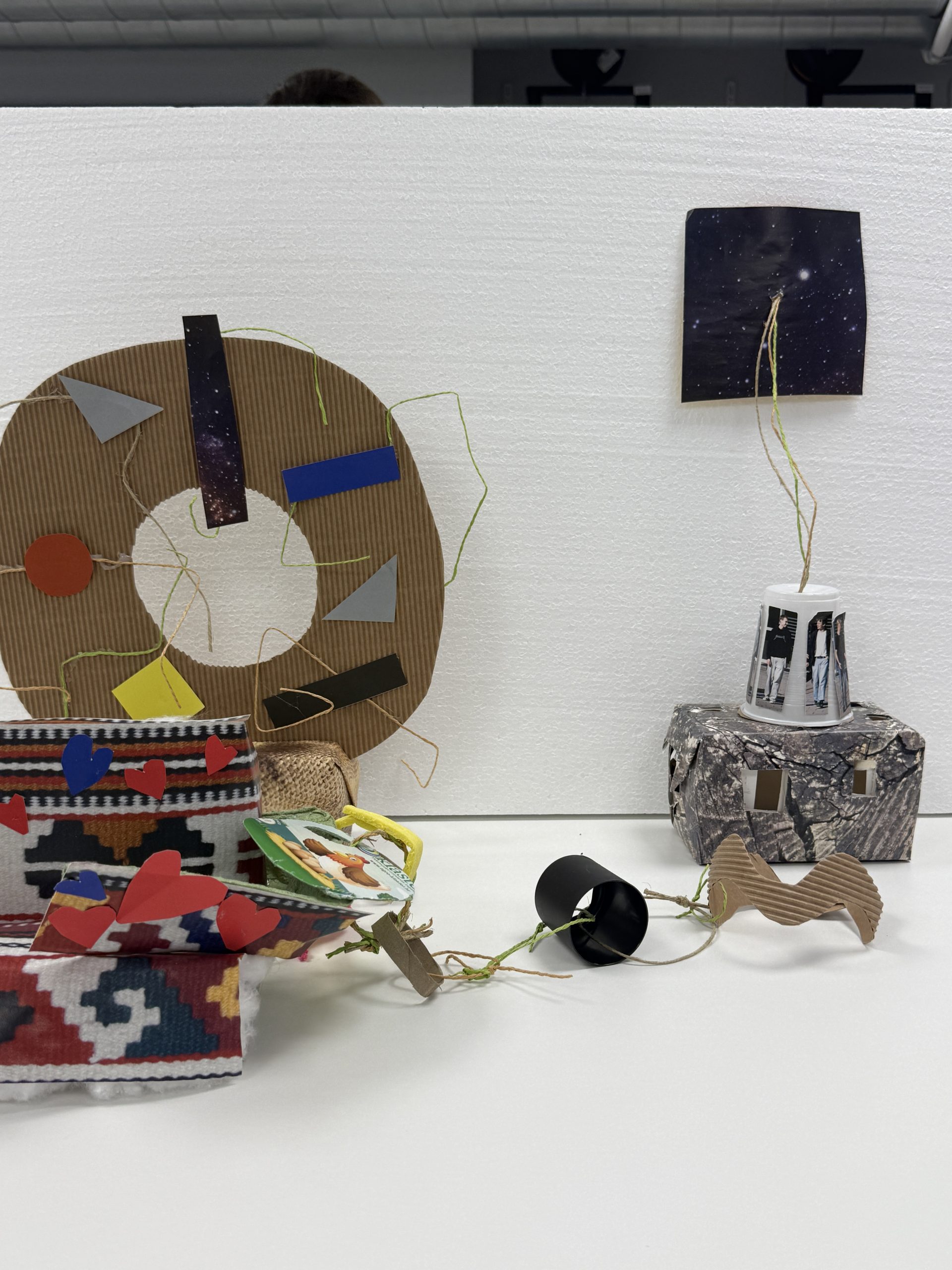
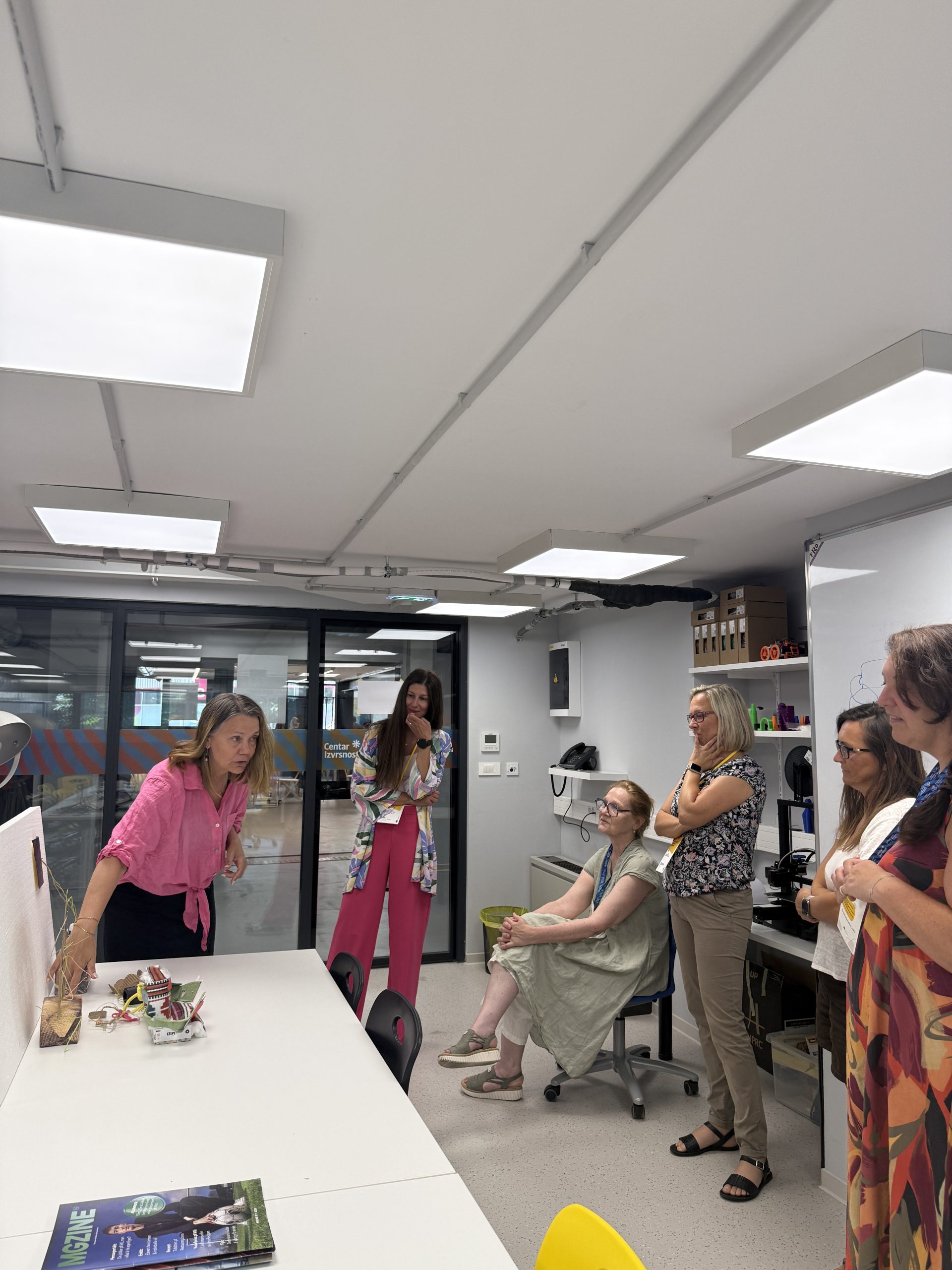
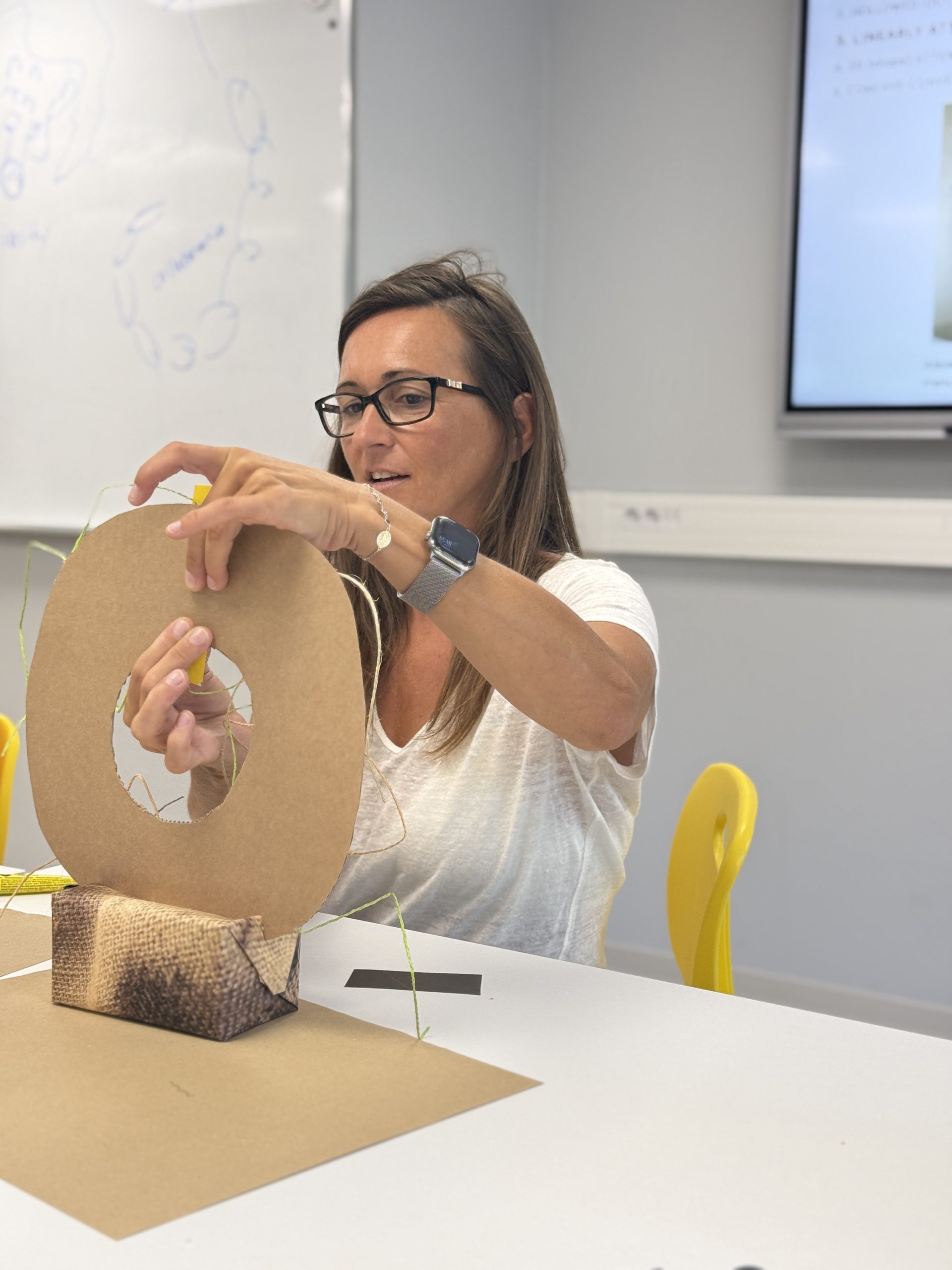
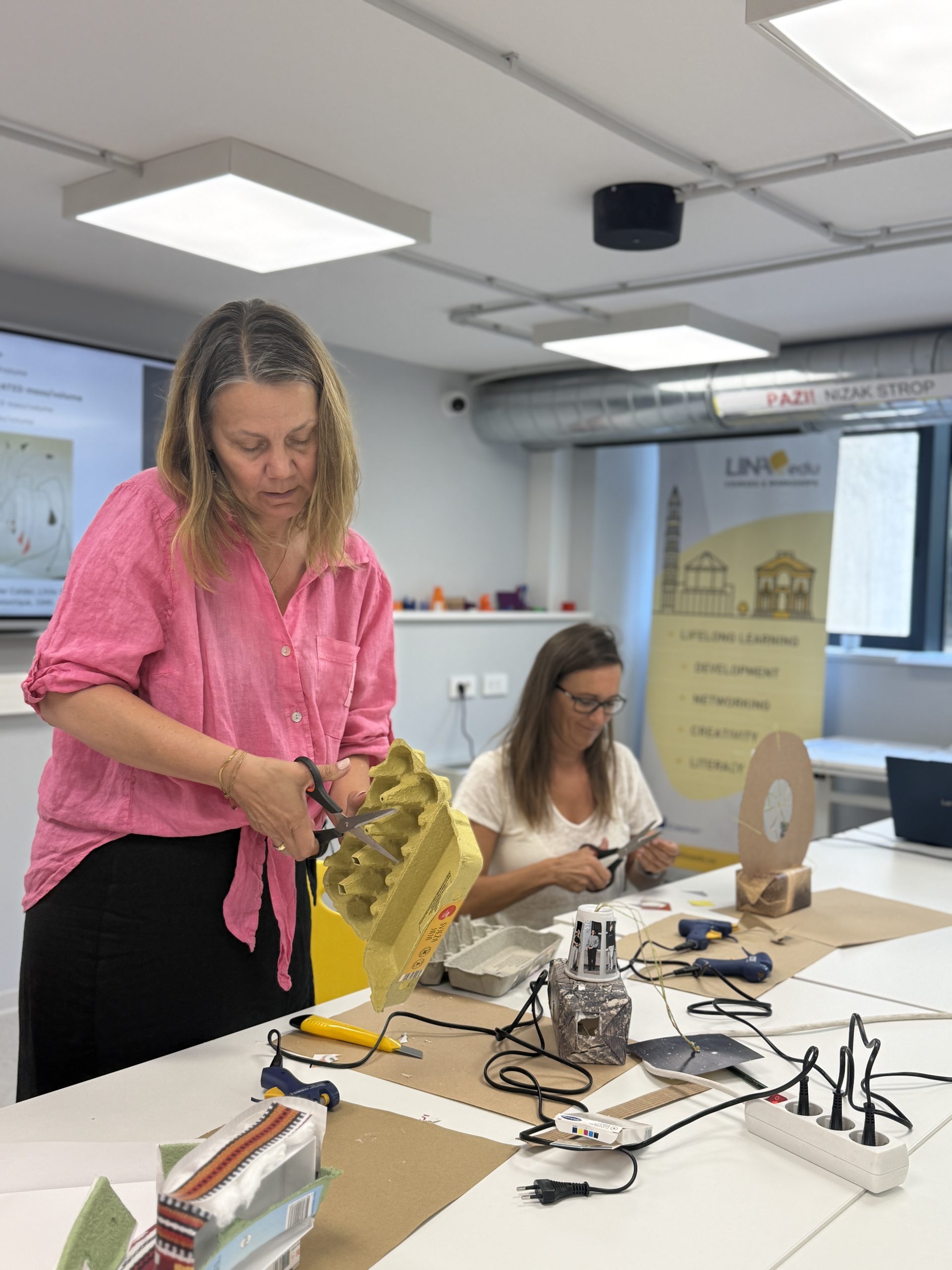
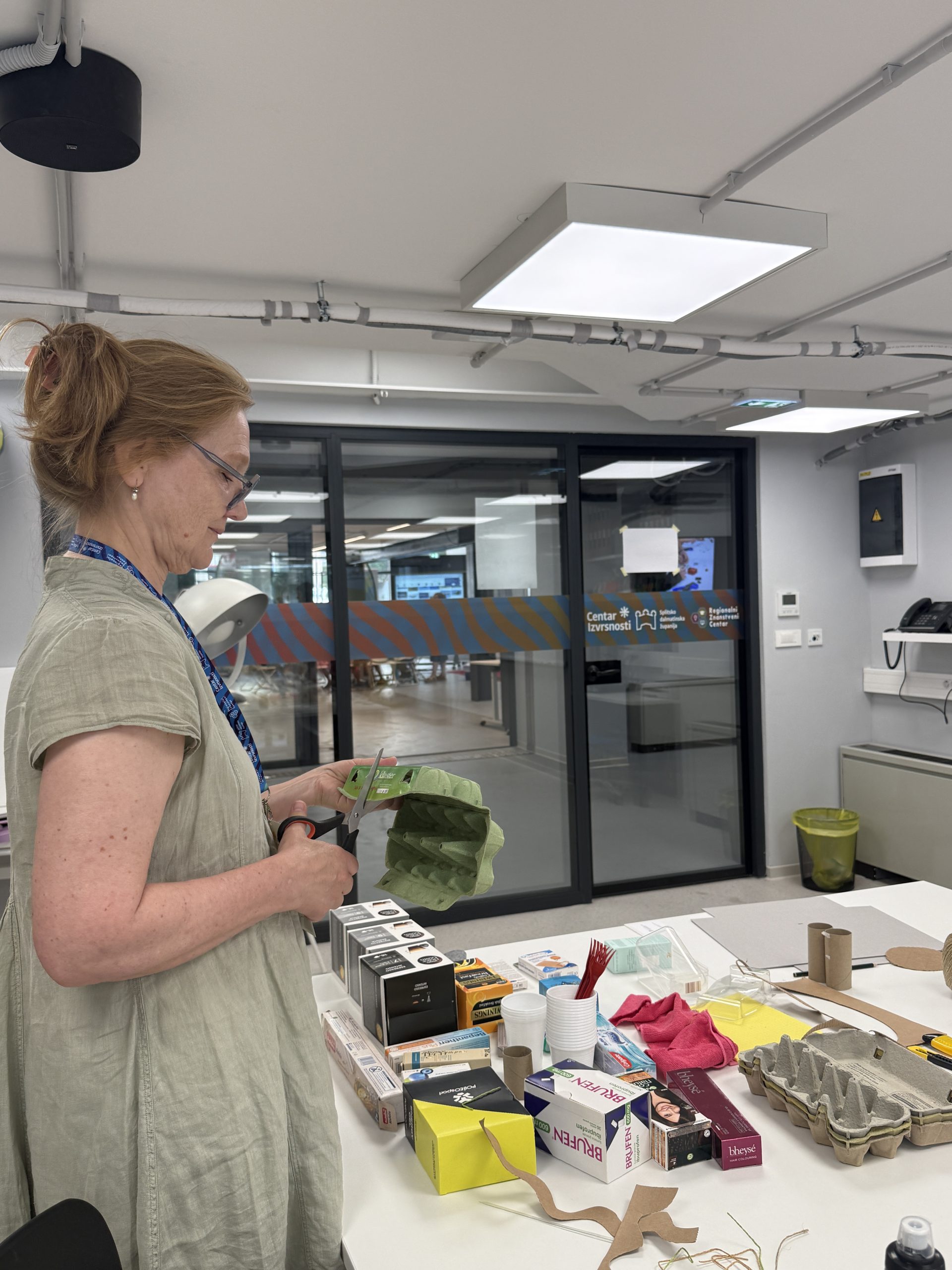
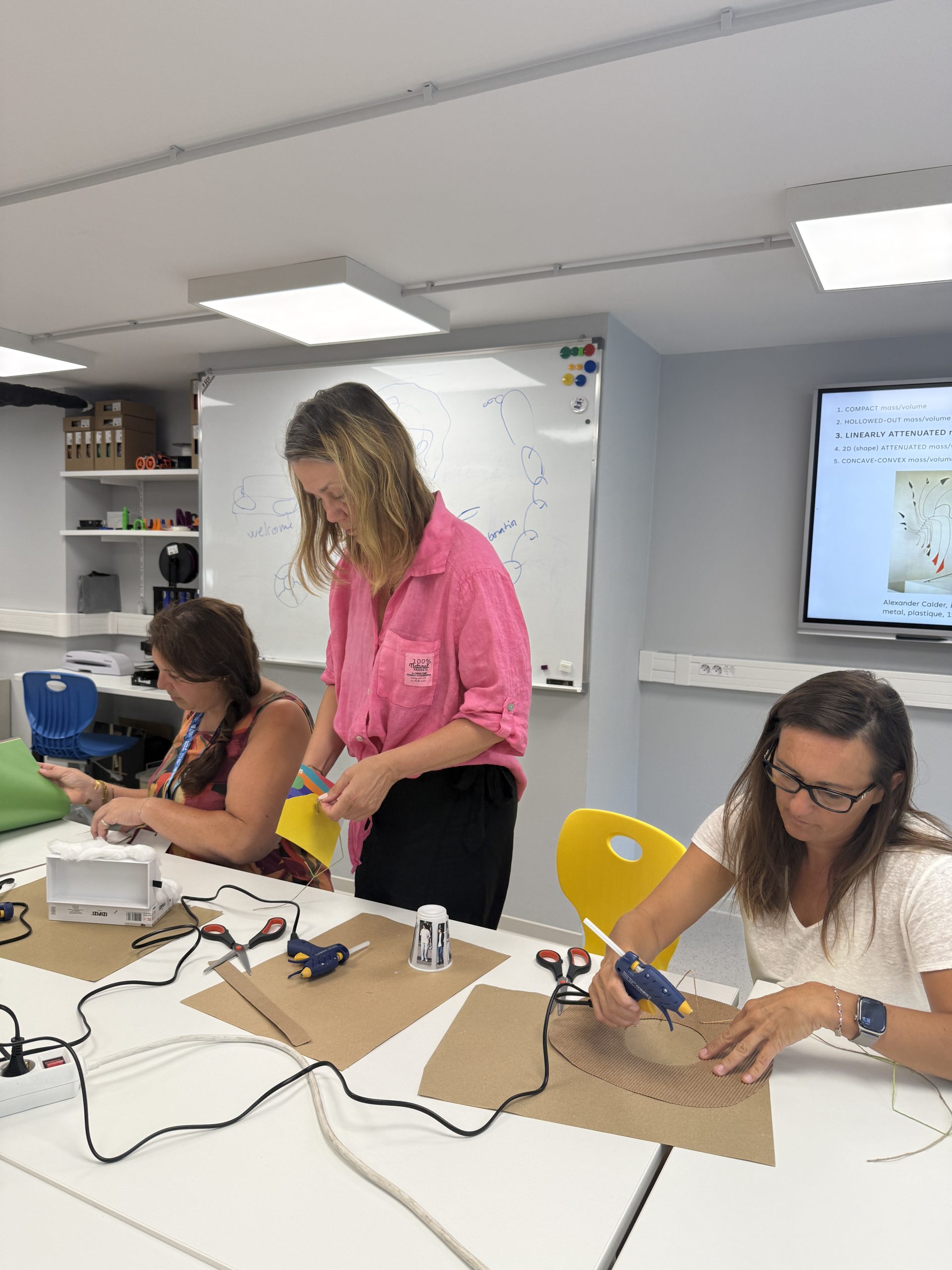
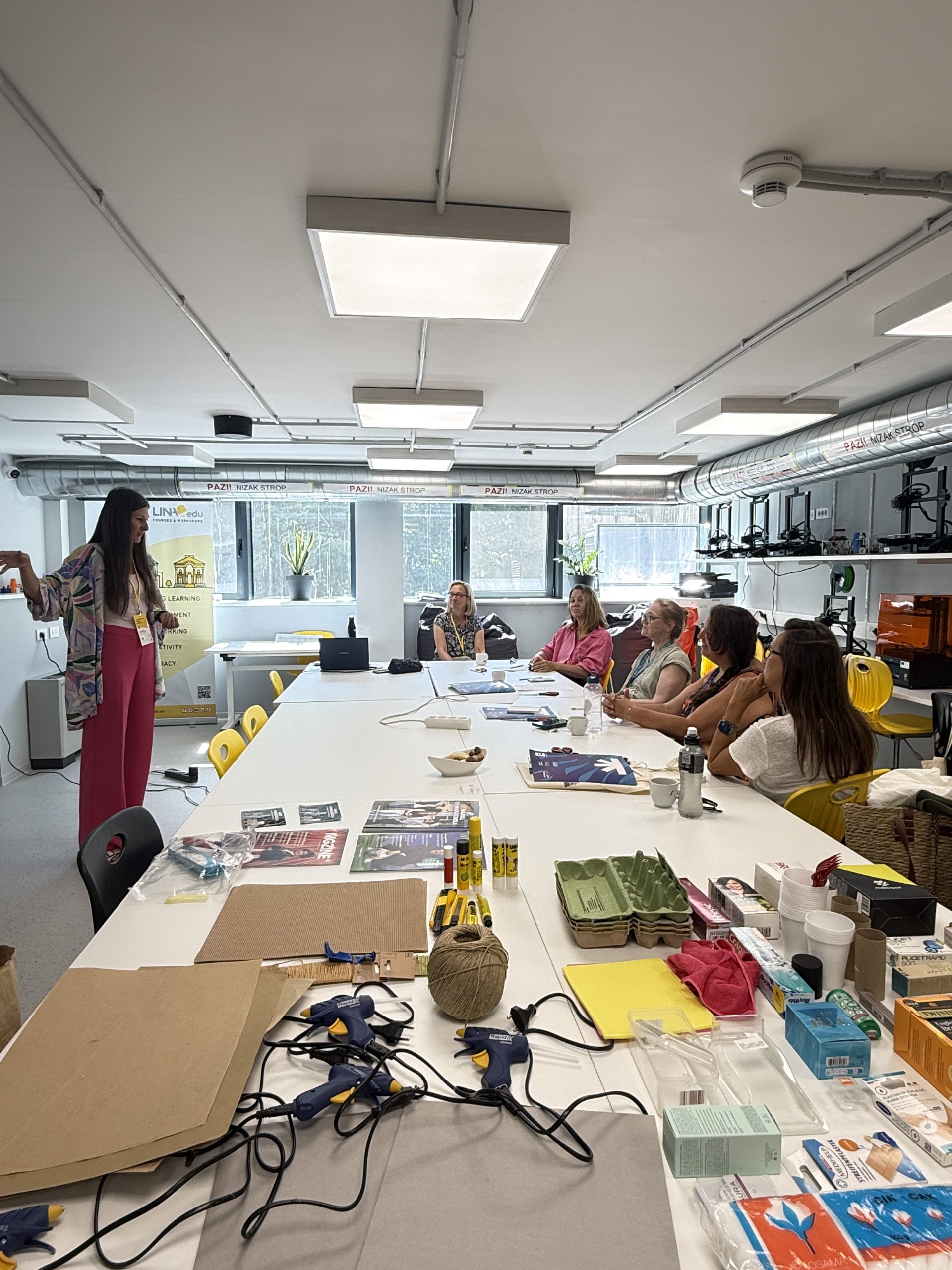
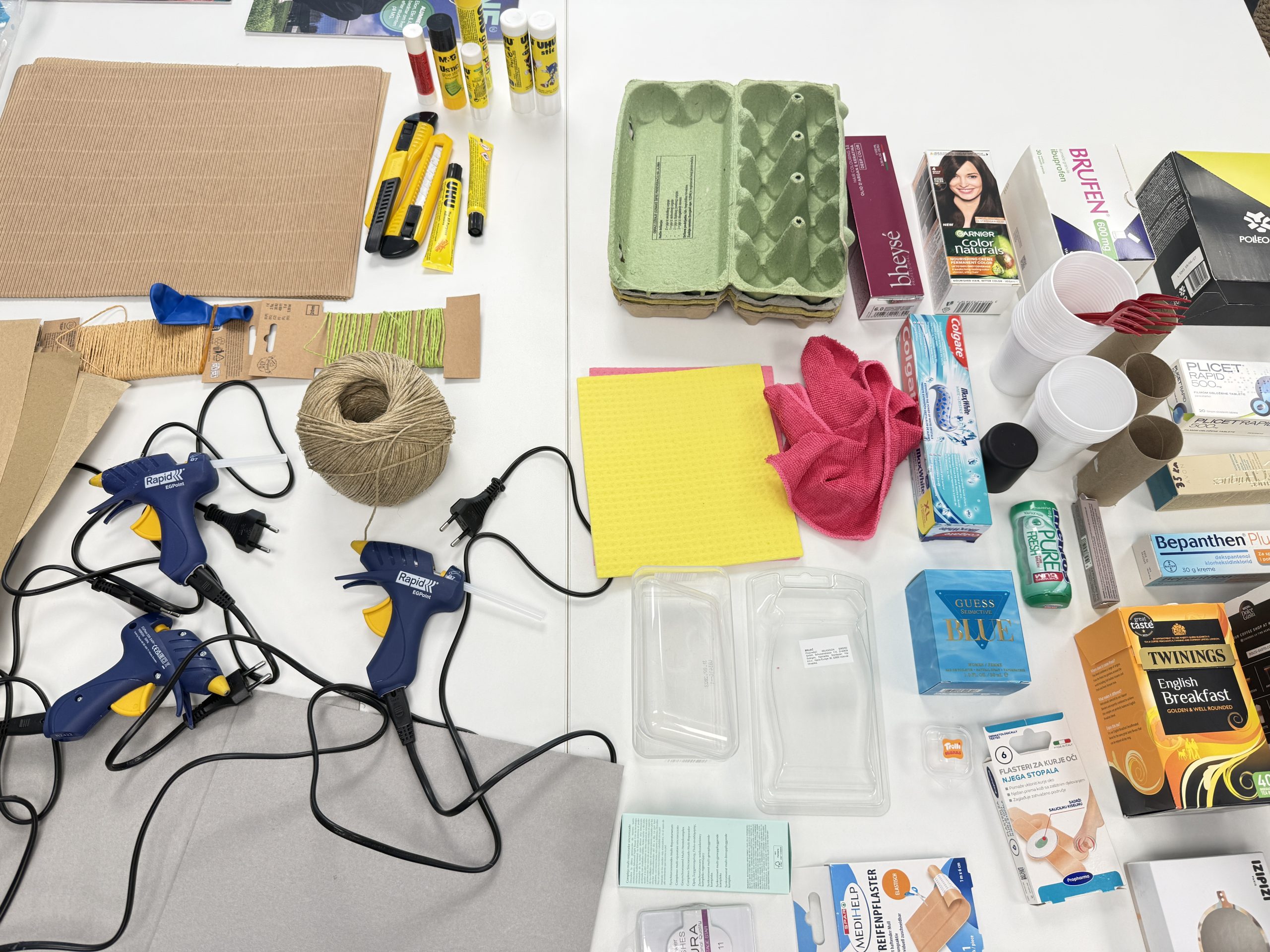
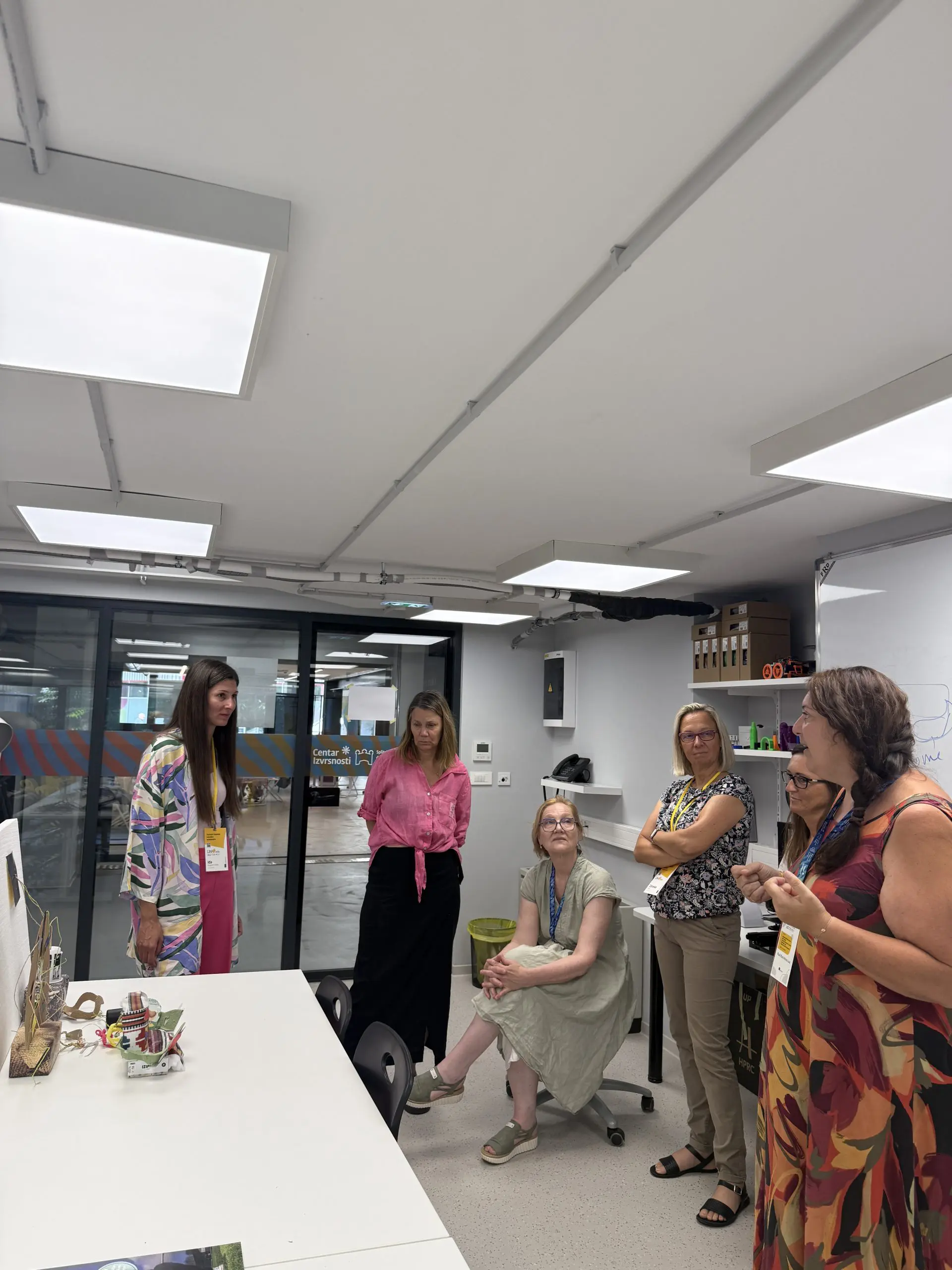
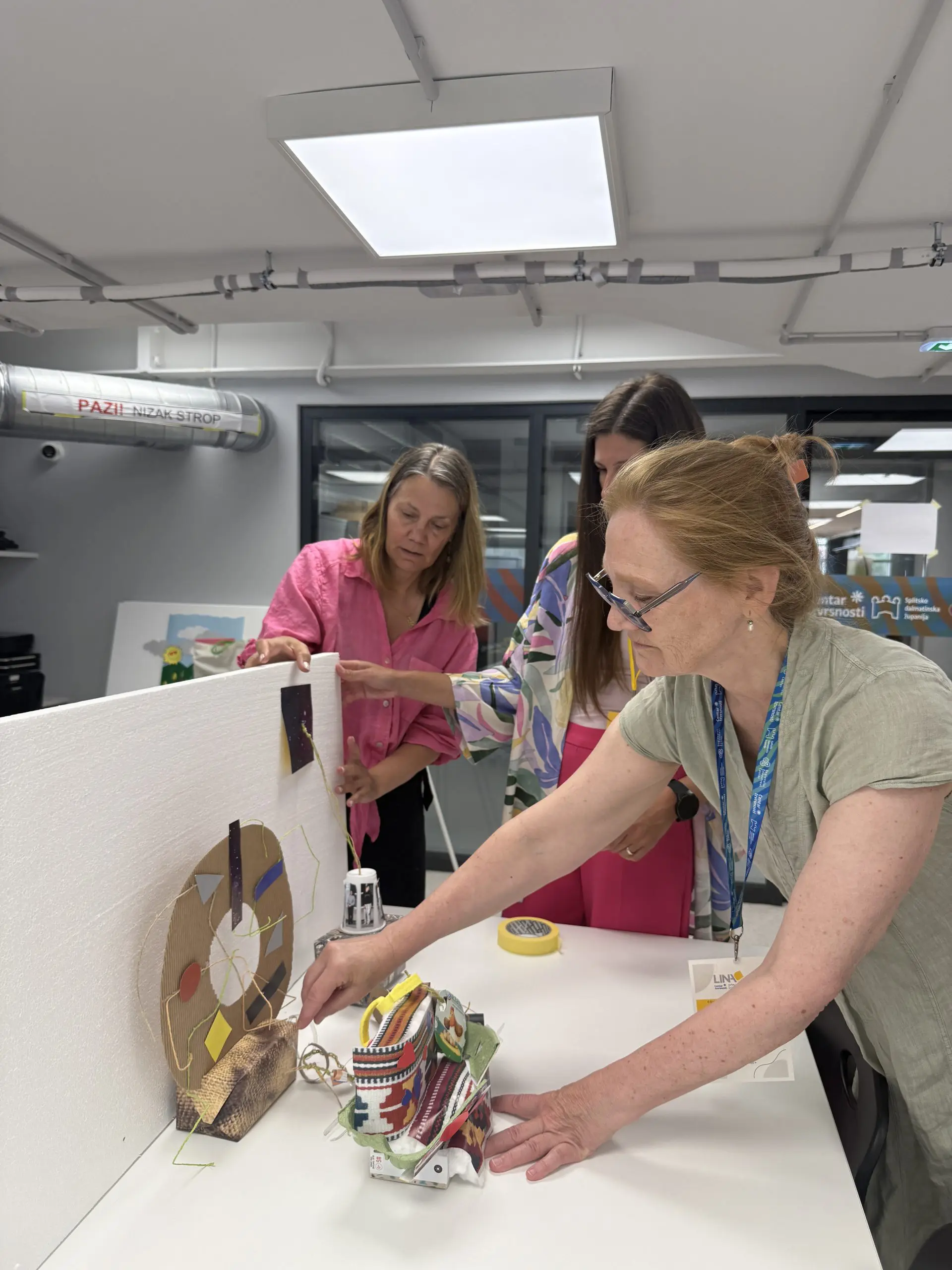
The course participants took part in the inspiring creative workshop “𝗗𝗿𝗲𝗮𝗺𝗶𝗻𝗴 𝗧𝗼𝗴𝗲𝘁𝗵𝗲𝗿 – 𝗪𝗵𝗮𝘁 𝗞𝗶𝗻𝗱 𝗼𝗳 𝗦𝗰𝗵𝗼𝗼𝗹 𝗗𝗼 𝗪𝗲 𝗪𝗮𝗻𝘁?”, led by Ida Bugarić Đuka, art educator and assistant at the Arts Academy in Split. By thinking visually and working collaboratively, participants explored the qualities of an ideal school environment through the language of art. During the workshop they:
- identified and demonstrated different types of volume (mass) as elements of visual expression
- designed and created personal 𝟯𝗗 𝘀𝘆𝗺𝗯𝗼𝗹𝘀 𝗼𝗳 𝗮𝗻 𝗶𝗱𝗲𝗮𝗹 𝘀𝗰𝗵𝗼𝗼𝗹 𝗲𝗻𝘃𝗶𝗿𝗼𝗻𝗺𝗲𝗻𝘁 using the assemblage technique
- reflected on their own creative process through self-assessment and peer evaluation
- interpreted both their own and others’ artistic creations, discovering how different perspectives contribute to a shared educational vision
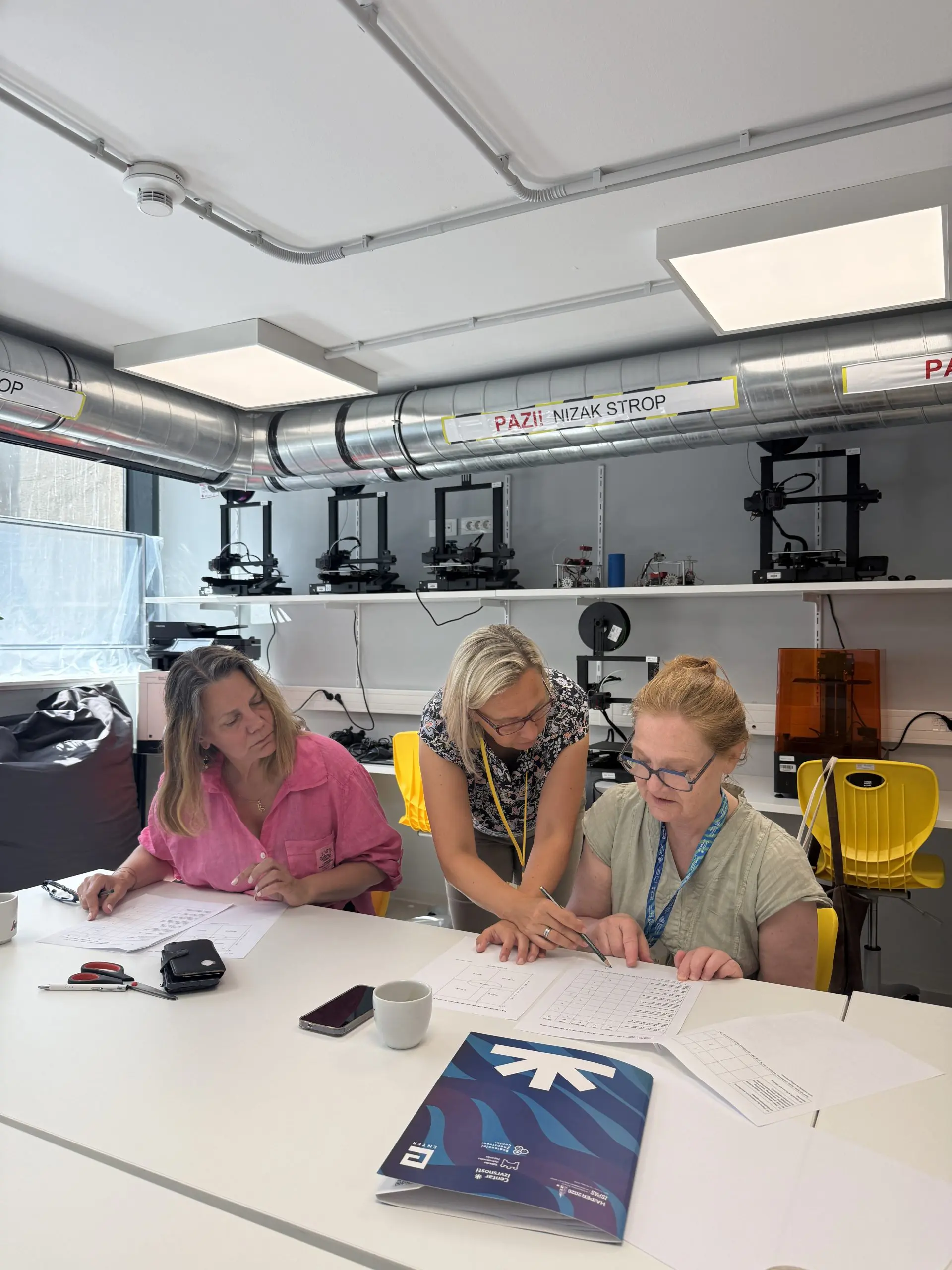
The working day shifted from imagination to strategic leadership as participants worked on:
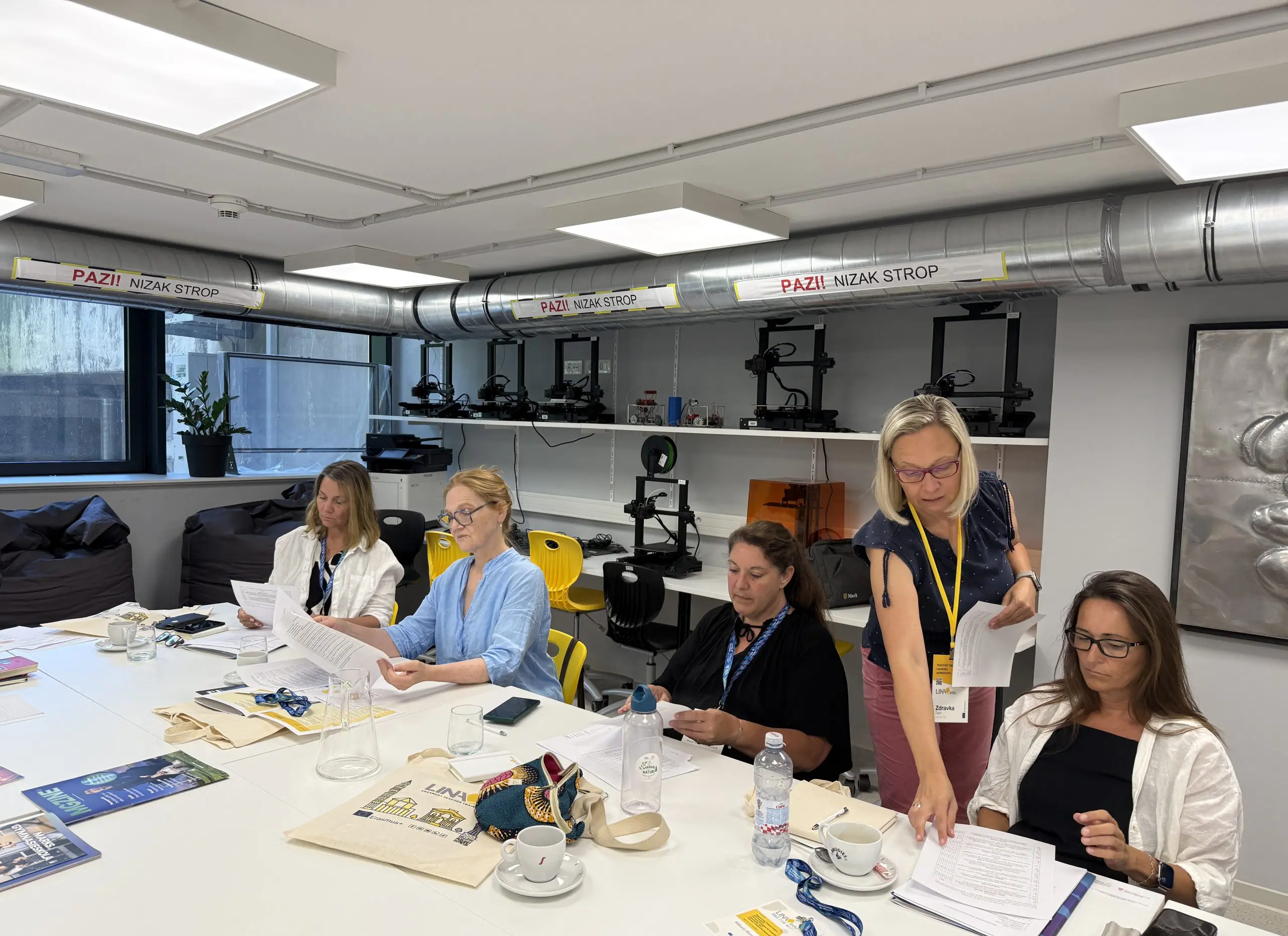
- Creating a school’s 𝘃𝗶𝘀𝗶𝗼𝗻, 𝗺𝗶𝘀𝘀𝗶𝗼𝗻, 𝘃𝗮𝗹𝘂𝗲𝘀, 𝗮𝗻𝗱 𝘀𝘁𝗿𝗮𝘁𝗲𝗴𝗶𝗰 𝗴𝗼𝗮𝗹𝘀
- Exploring the 𝘀𝗰𝗵𝗼𝗼𝗹 𝘀𝗲𝗹𝗳–𝗮𝘀𝘀𝗲𝘀𝘀𝗺𝗲𝗻𝘁 𝗽𝗿𝗼𝗰𝗲𝘀𝘀
- Beginning the development of a 𝗦𝗰𝗵𝗼𝗼𝗹 𝗗𝗲𝘃𝗲𝗹𝗼𝗽𝗺𝗲𝗻𝘁 𝗣𝗹𝗮𝗻
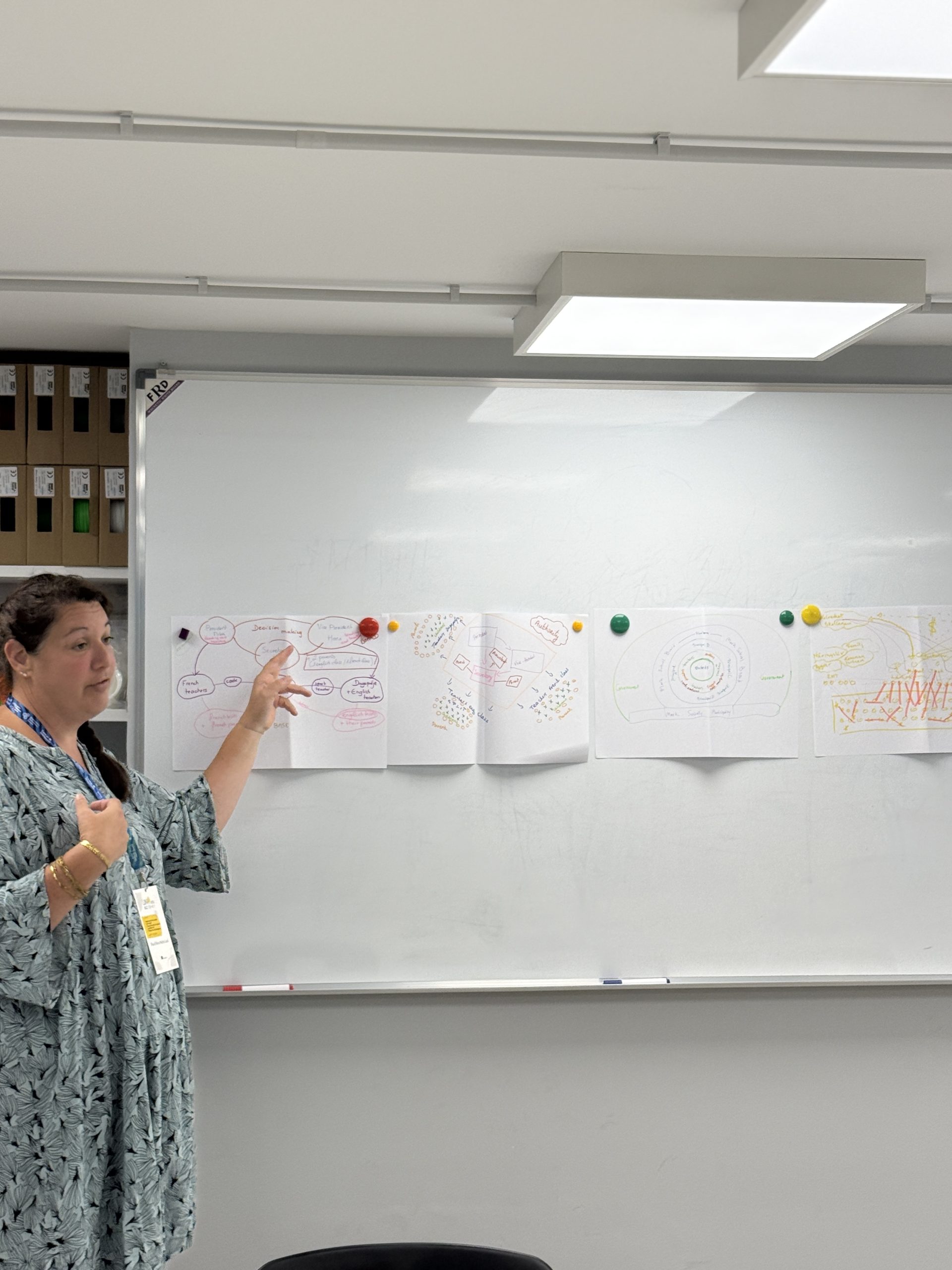
Since designing a meaningful and sustainable School Development Plan requires careful analysis, collaboration, and strategic thinking, this practical work continued into 𝗗𝗮𝘆 𝟯, when participants further developed and presented their plans. The day concluded with reflection, collaborative learning, and hands-on experiences that demonstrated how 𝗰𝗿𝗲𝗮𝘁𝗶𝘃𝗶𝘁𝘆 𝗮𝗻𝗱 𝘀𝘁𝗿𝗮𝘁𝗲𝗴𝗶𝗰 𝗽𝗹𝗮𝗻𝗻𝗶𝗻𝗴 𝘁𝗼𝗴𝗲𝘁𝗵𝗲𝗿 𝗰𝗮𝗻 𝗶𝗻𝘀𝗽𝗶𝗿𝗲 𝗺𝗲𝗮𝗻𝗶𝗻𝗴𝗳𝘂𝗹 𝘀𝗰𝗵𝗼𝗼𝗹 𝗱𝗲𝘃𝗲𝗹𝗼𝗽𝗺𝗲𝗻𝘁.
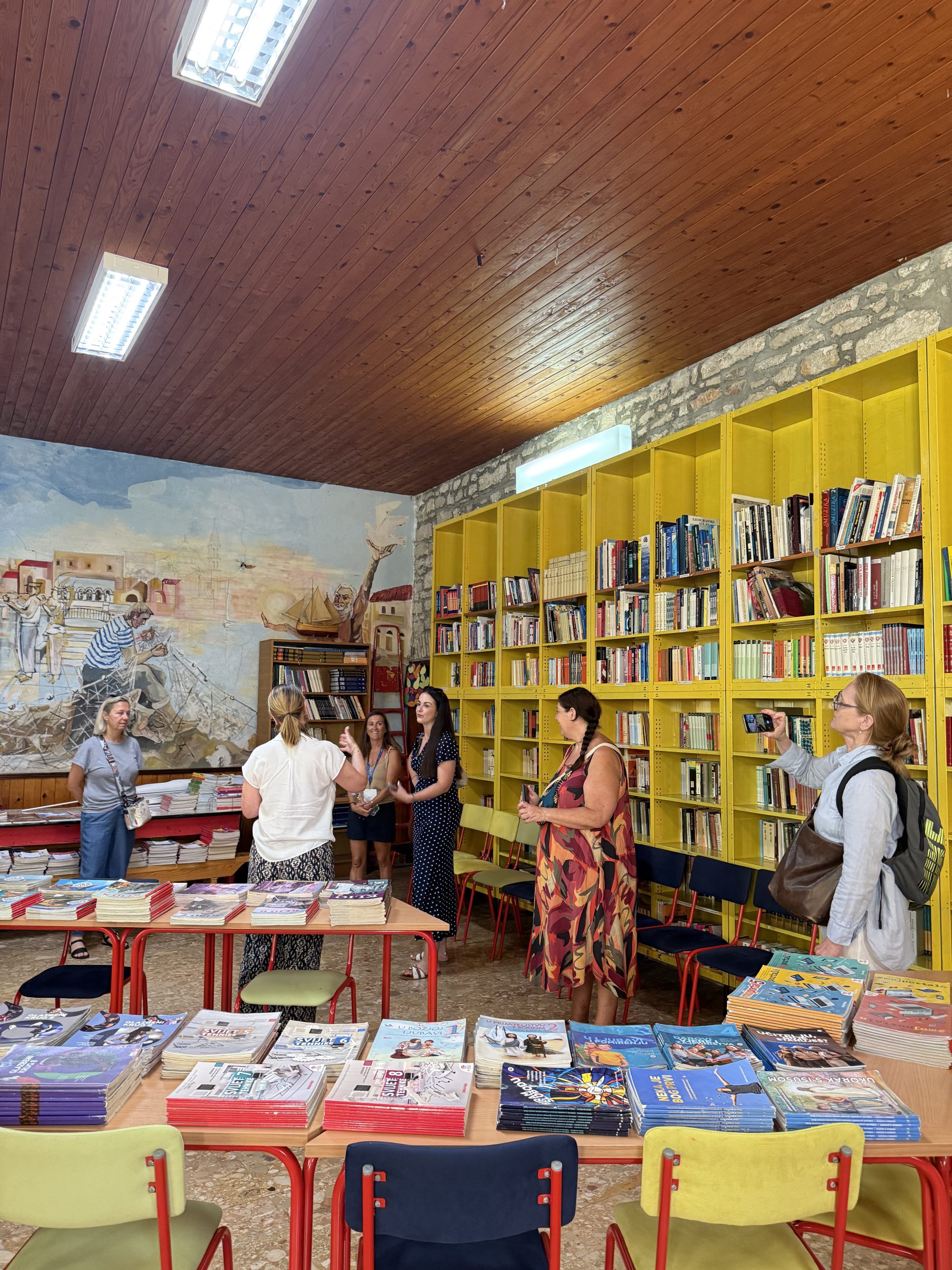
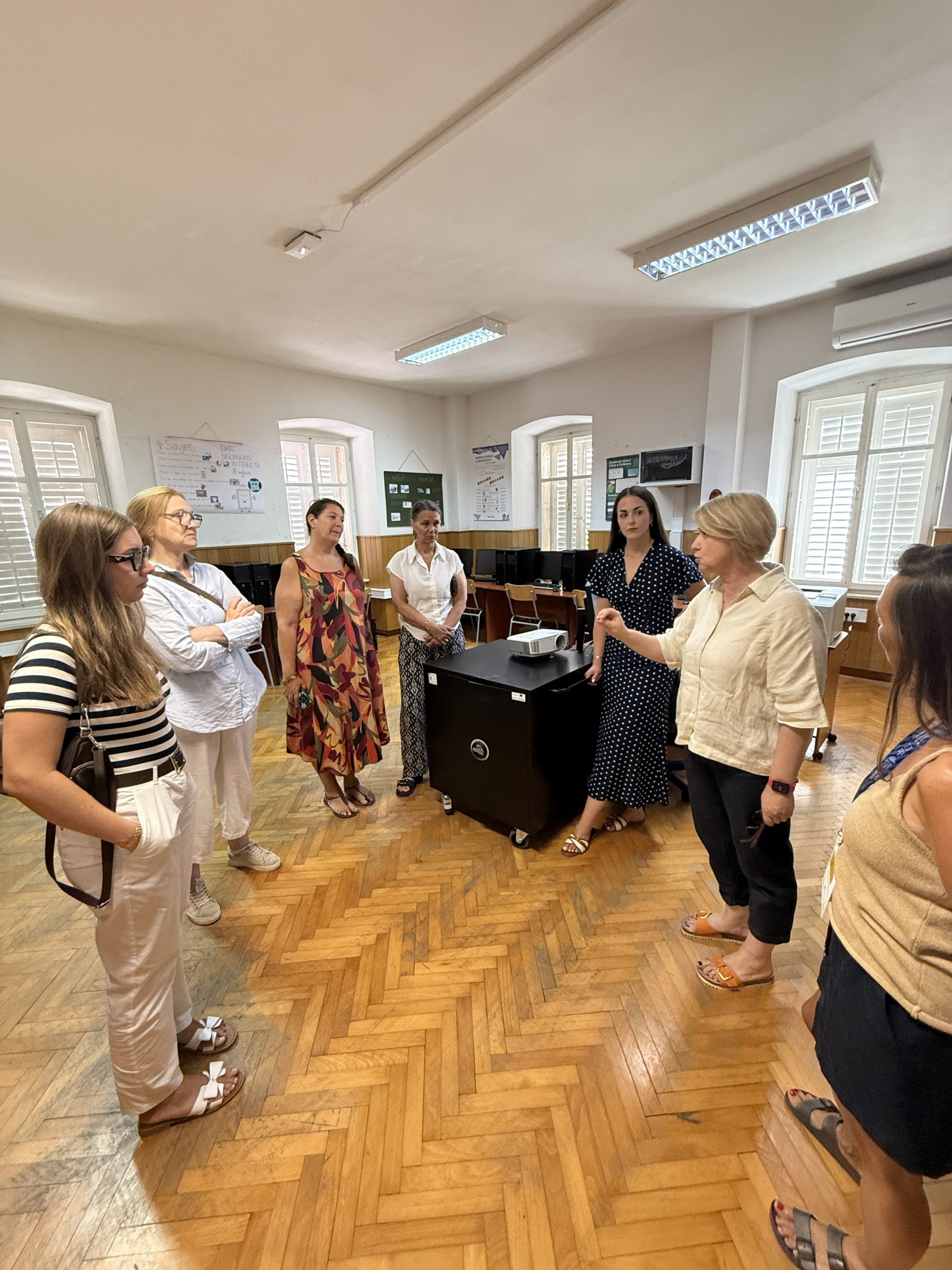
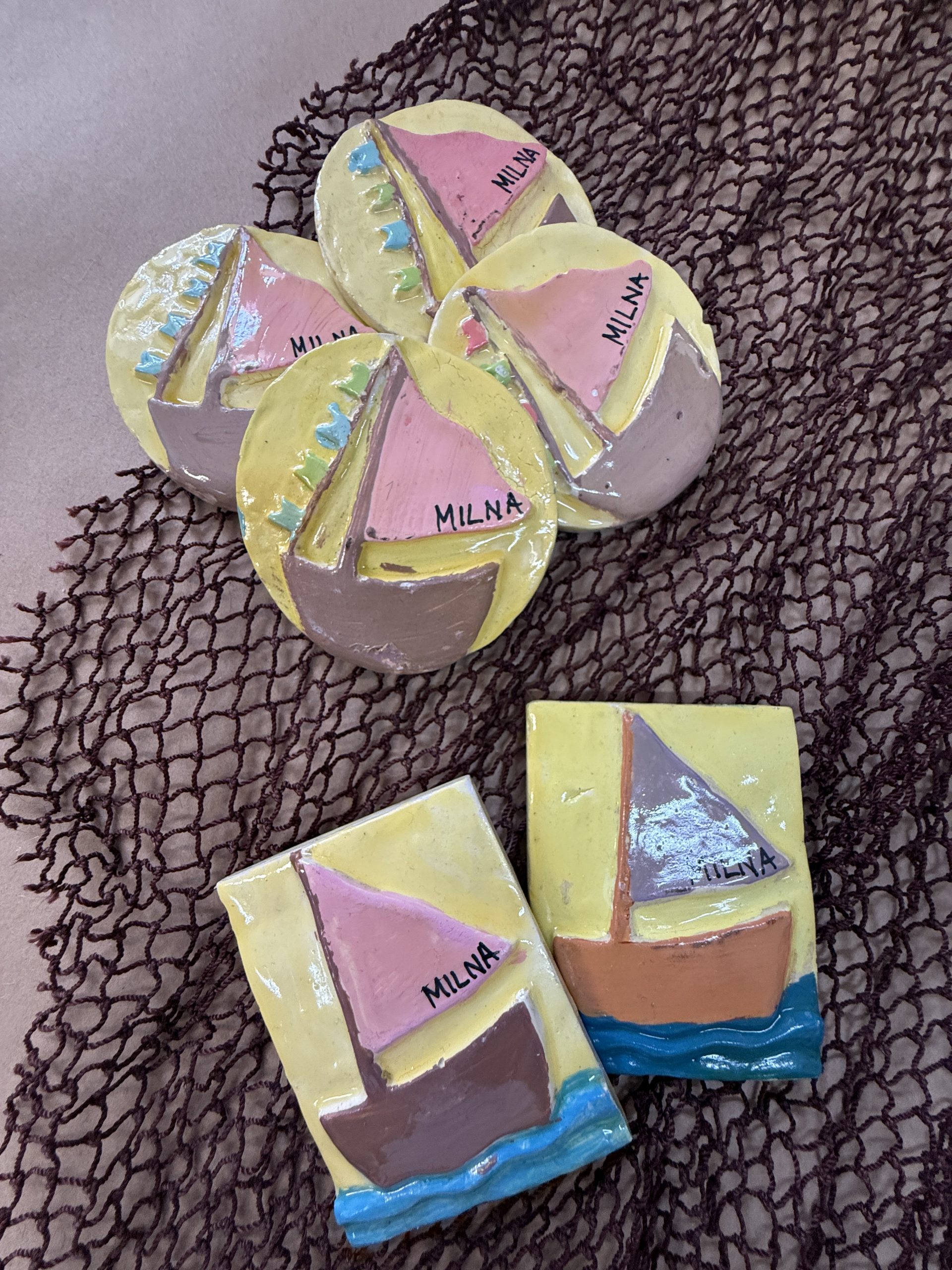
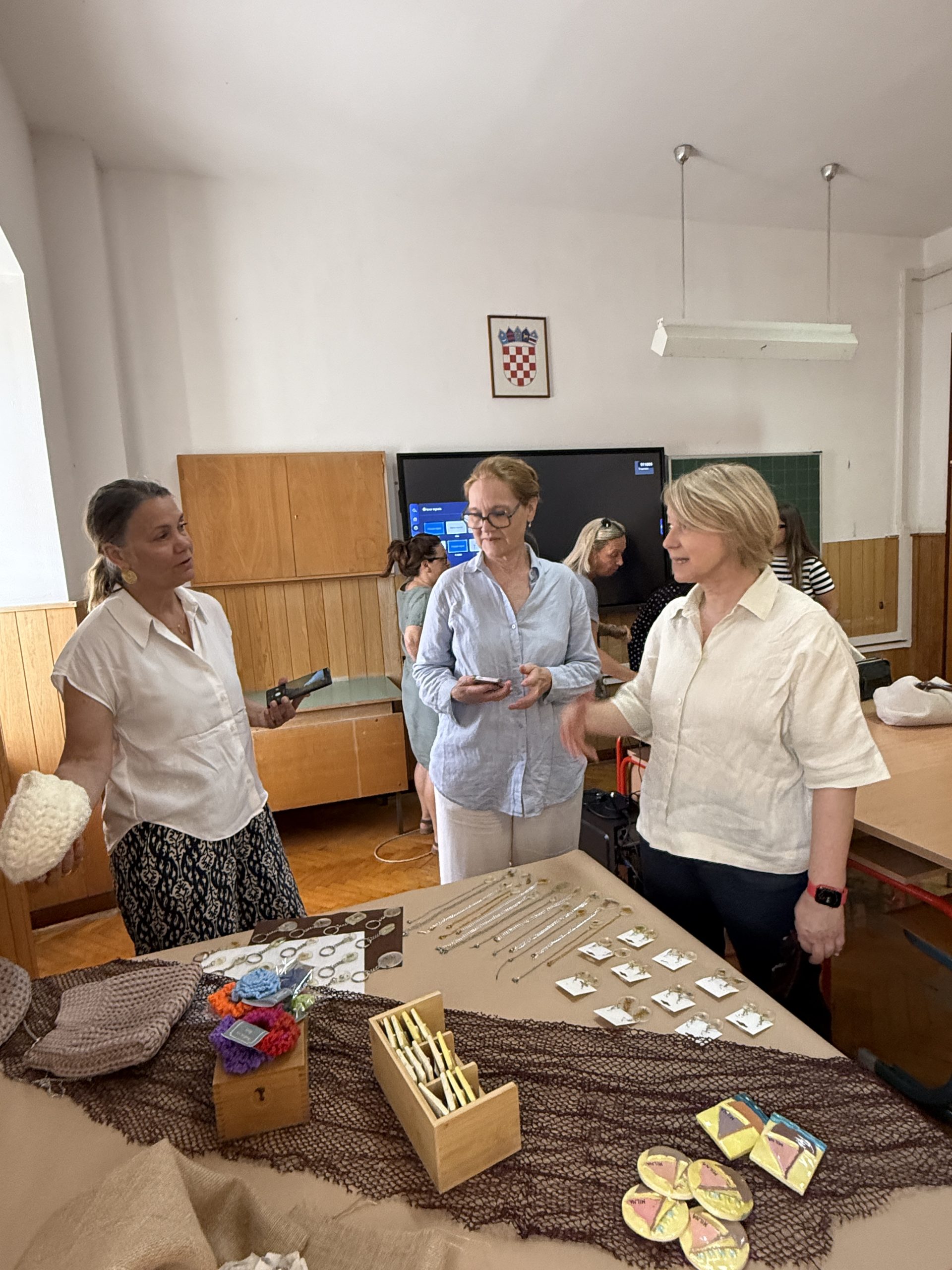
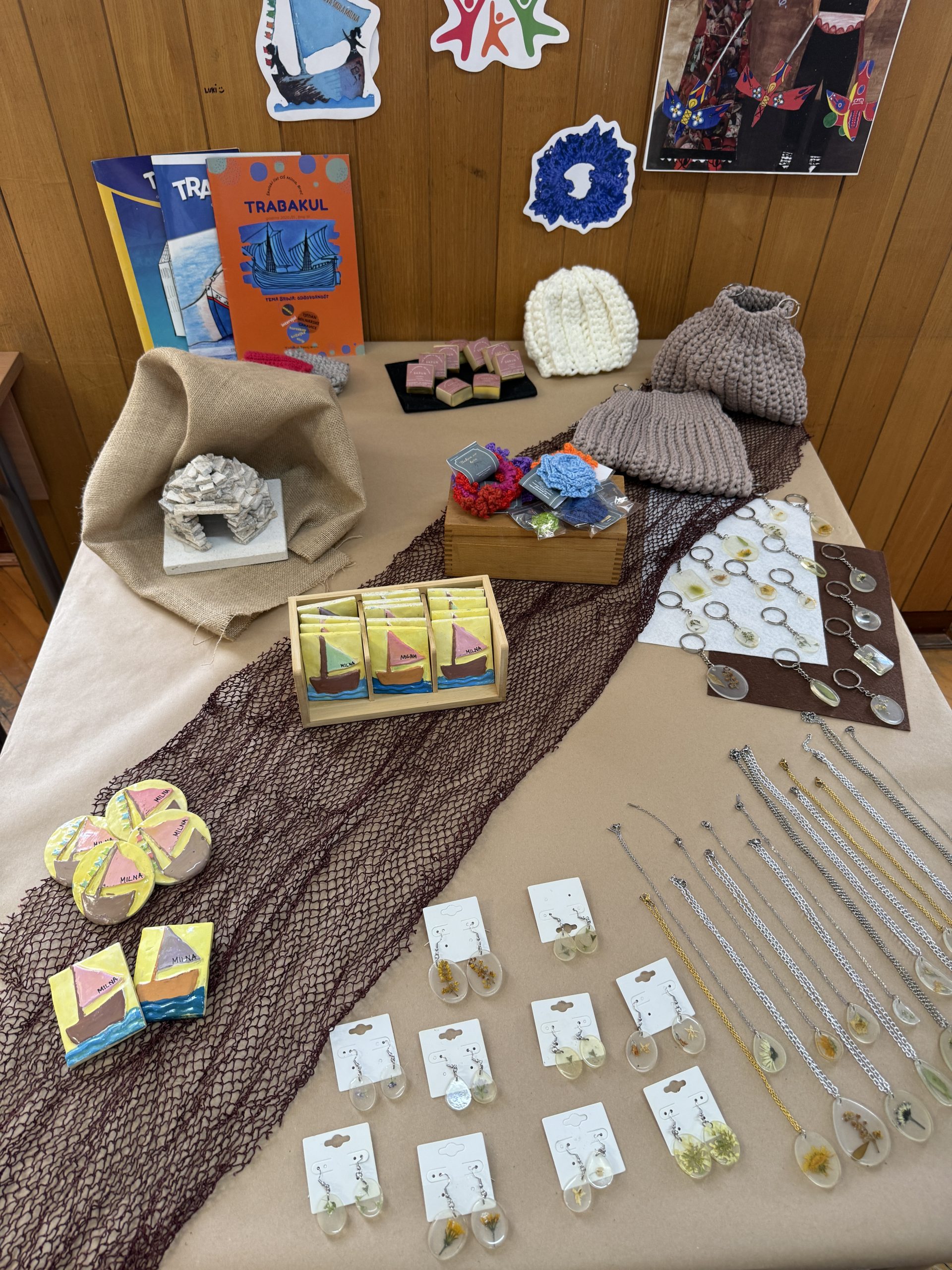
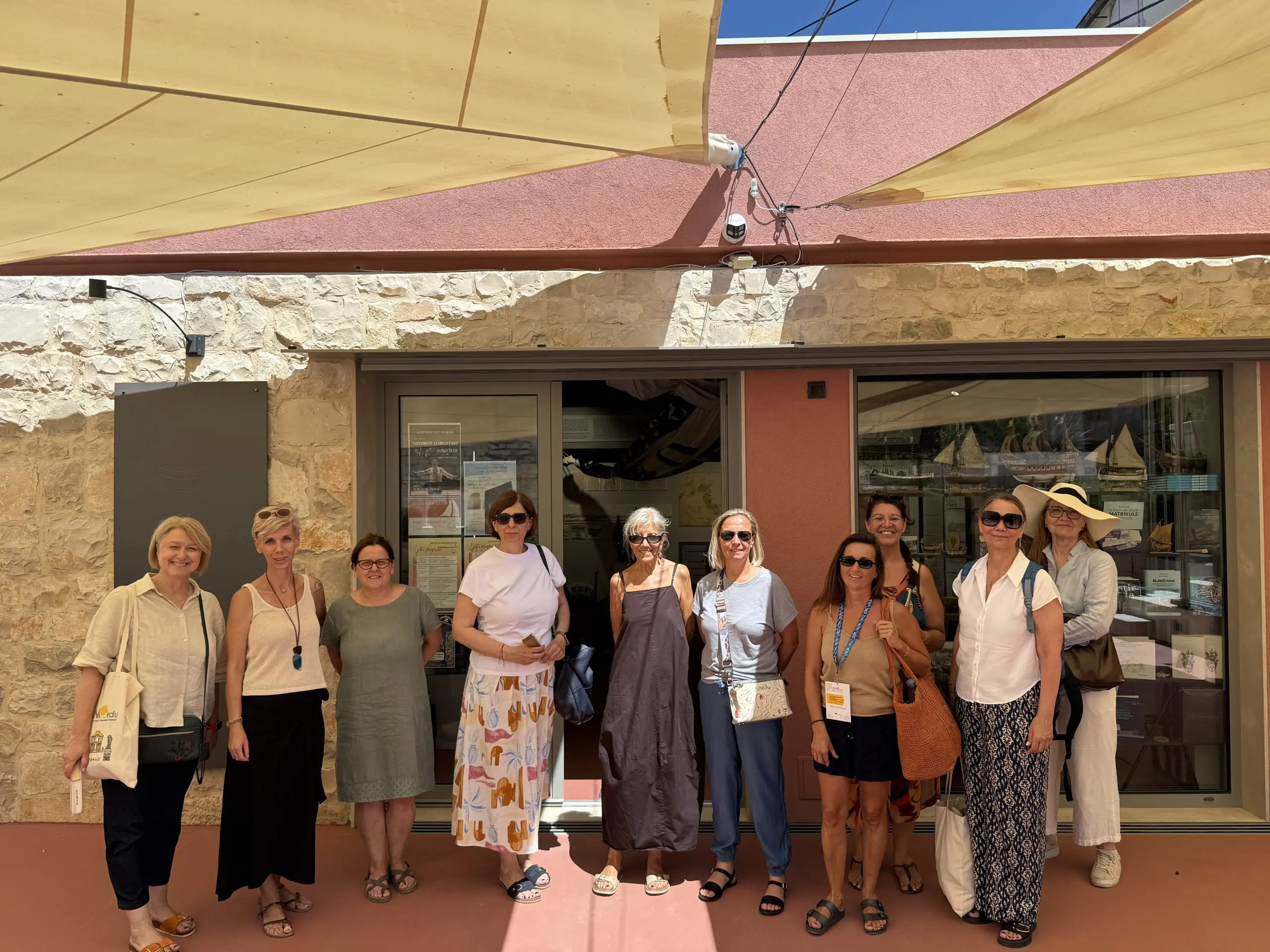
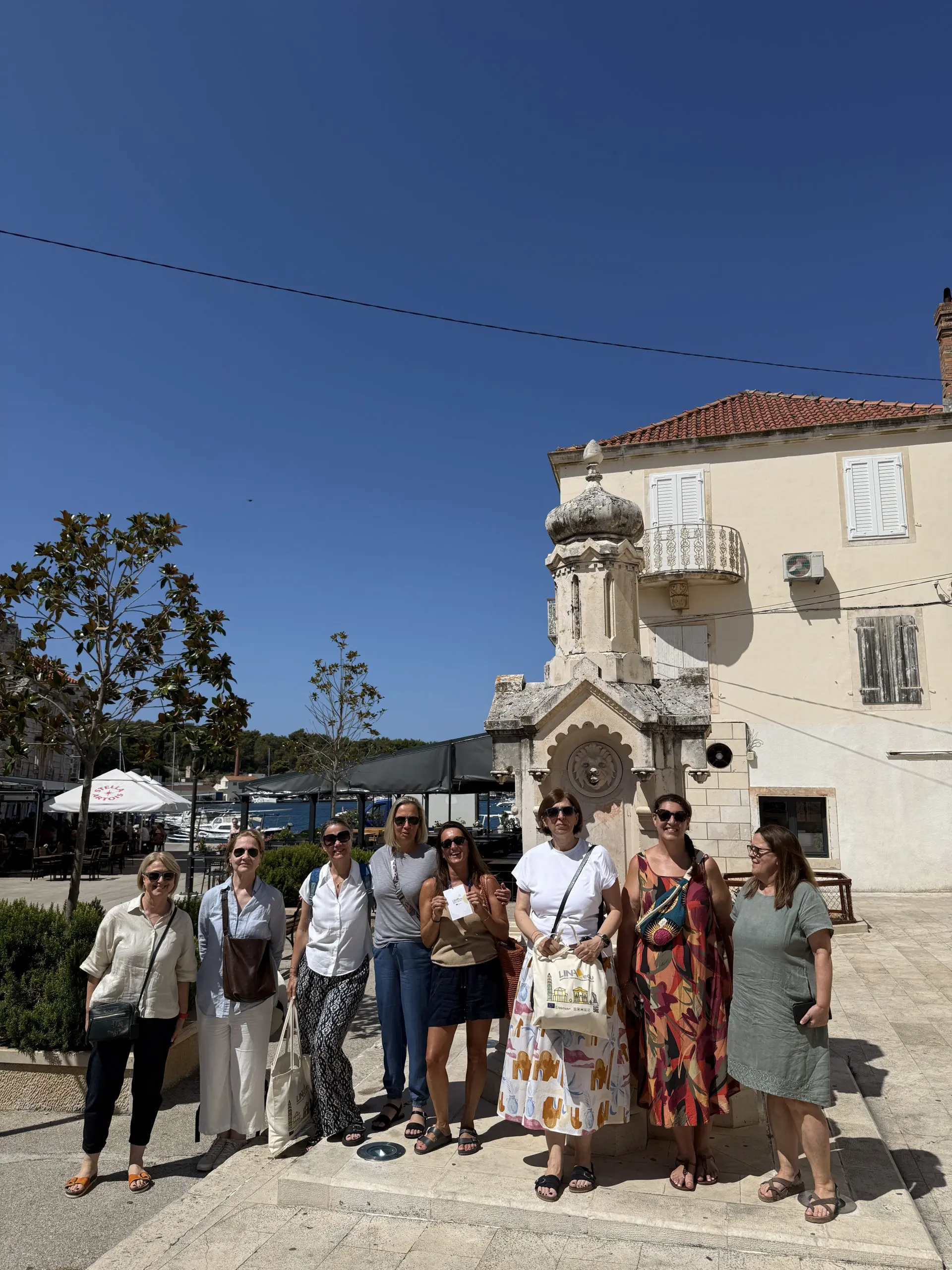
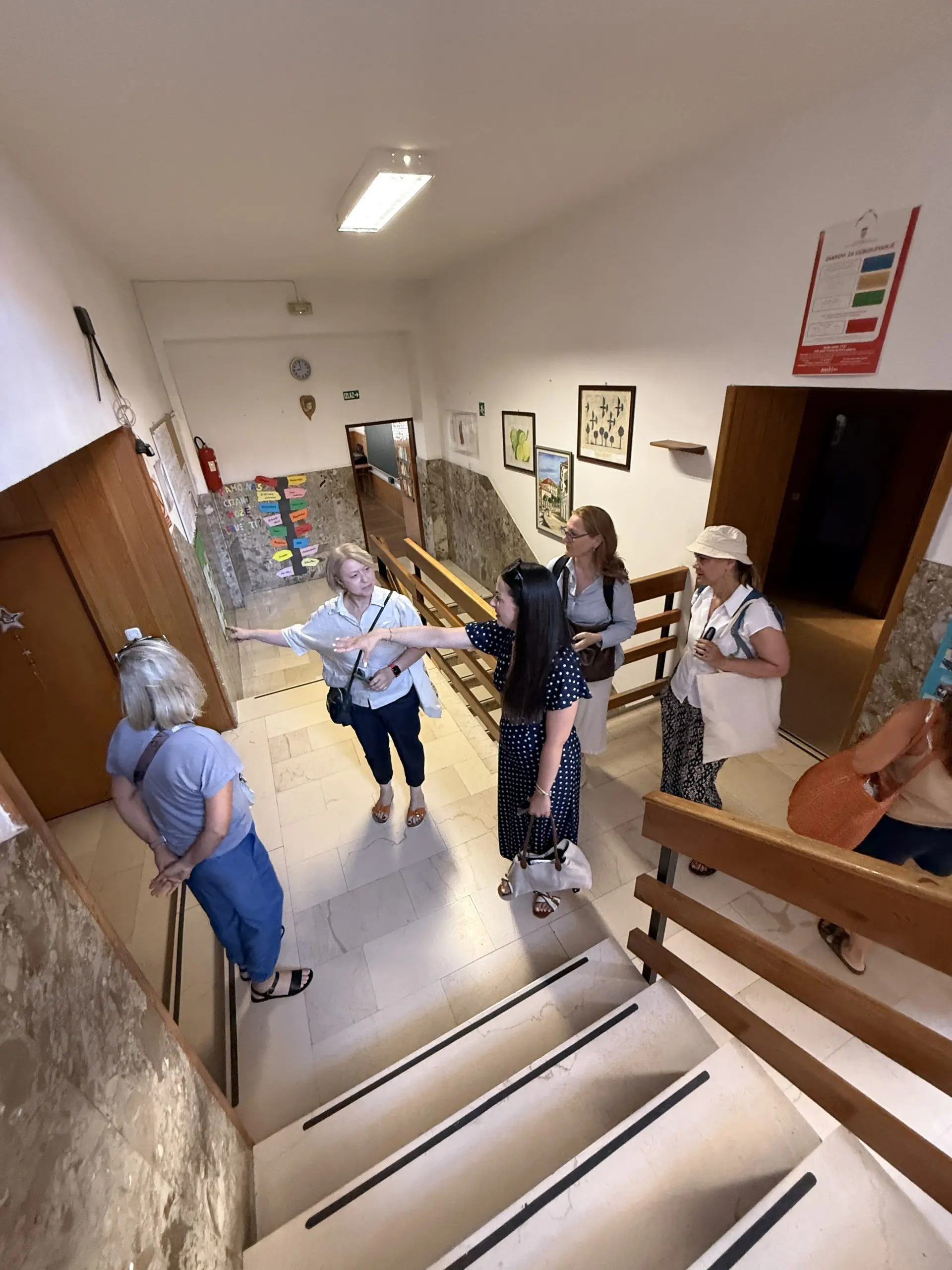
The last three days focused intensively on school leadership and management, strategic development, inclusive values, and eco-justice. It’s been an amazing week with a wide variety of insightful and engaging activities, different types of work, field classes, and direct learning from good practice. Here, another added-value surprise was the job-shadowing visit to our host school, Elementary School Milna, on the island of Brač.
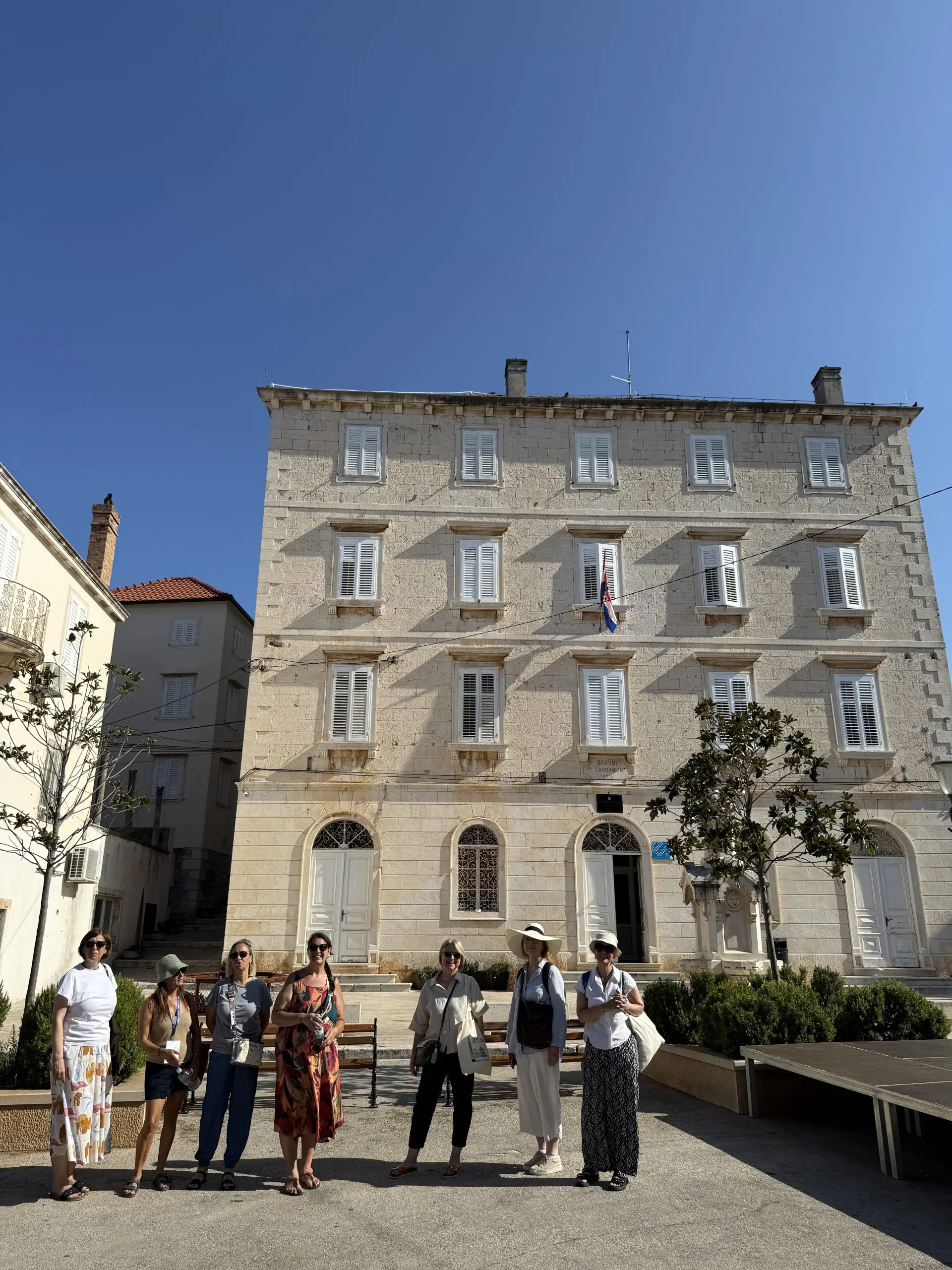
Since we strongly believe that developing teaching methods is fundamental to improving educational practice, and that innovative educational approaches directly influence school development, we also delivered a field class demonstrating best practice, a pedagogically and methodologically designed outdoor activity, with the following teaching goals, approaches, and methods:
- use of QR codes to make tasks more engaging
- use of a game-based learning method – a scavenger hunt (solving puzzles)
- use of gamification elements
- making puzzles
- improving students’ logical thinking
- improving students’ spatial orientation
- improving students’ media literacy – browsing the Internet for finding the right information
- developing students’ reading skills – scanning & skimming
- developing students’ teamwork
- developing students’ presentation skills
- developing storytelling in a short video form adjusted to new generations of students by using mobile video editors (CapCut)
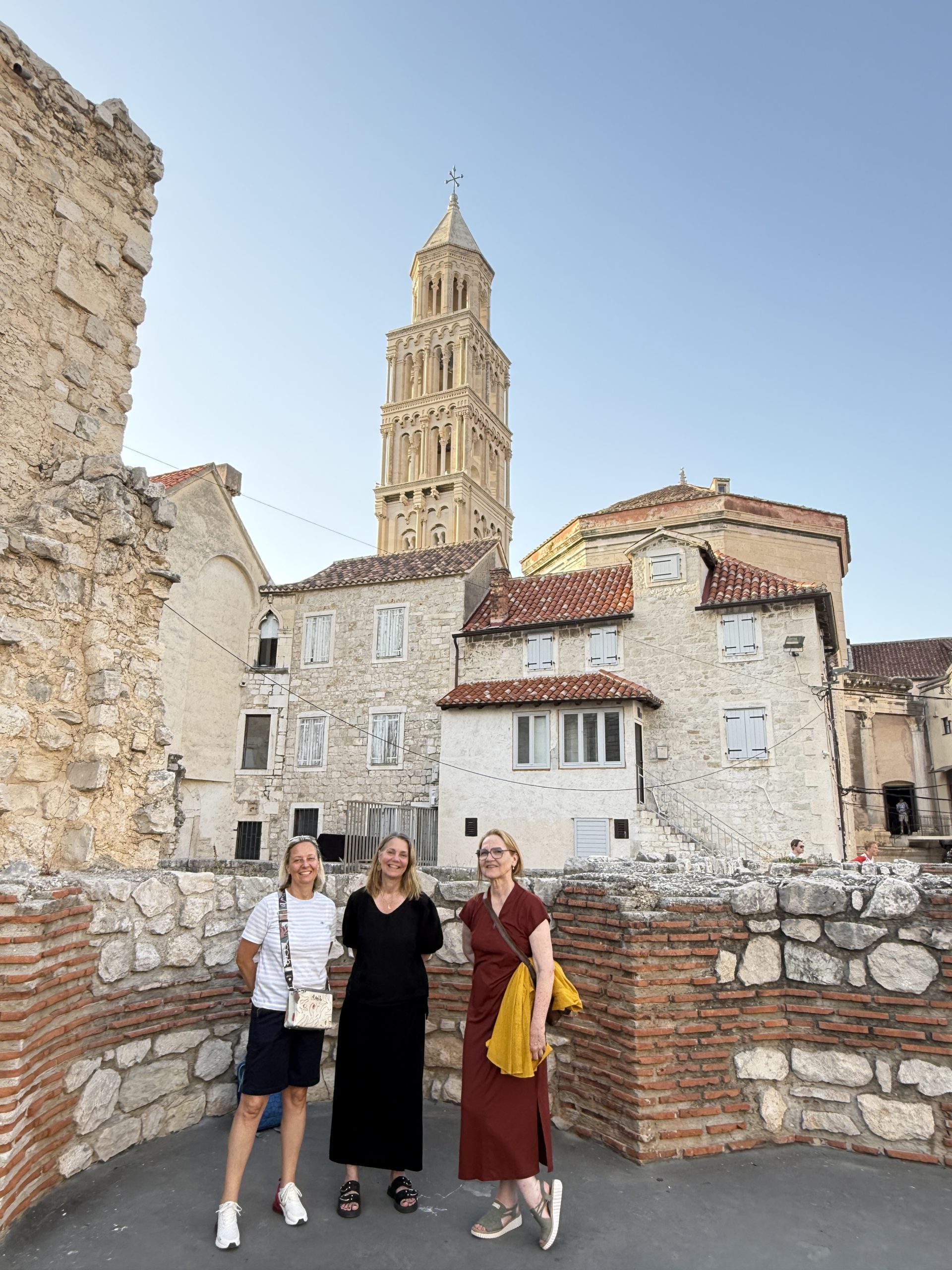
- raising students’ awareness of the importance of cultural heritage
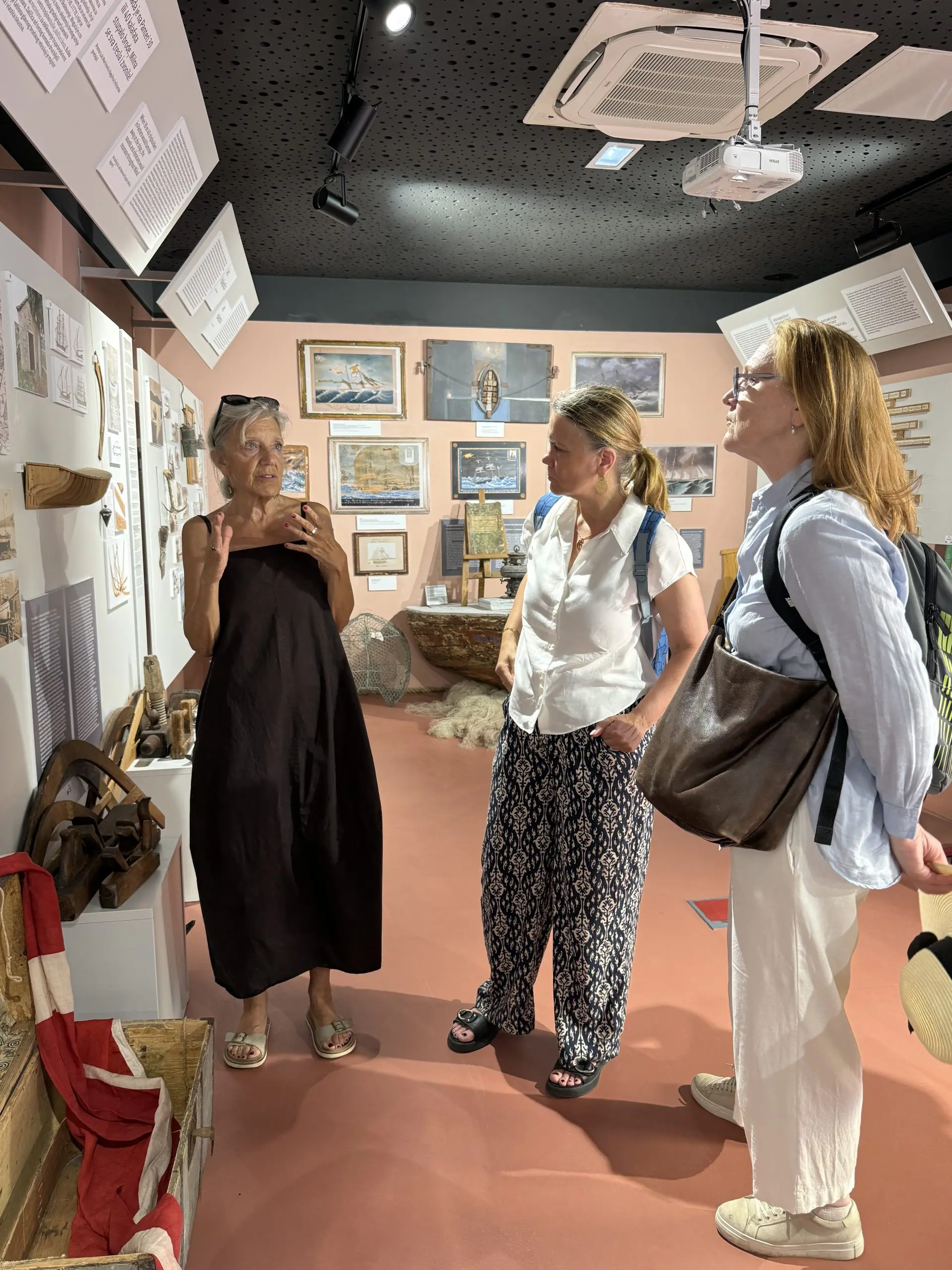
Learning about cultural heritage of great historical and civilisational value can be considered the last – and equally beneficial – part that our course participants took away from this training experience.
This course is an excellent example of thoroughly planned content, showing that at Lina Edu, we pay close attention to smooth transitions between trainers, making learning outcomes more effective for participants. Since the dynamics of lecturing significantly influence the learning atmosphere, we proved once again how three hard-working, highly motivated, and well-experienced educators can connect even a challenging topic like school leadership with cultural heritage and creativity – the essential values and skills every school leader needs to cherish.
We are happy and grateful we provided one more highly professional development training that stands out, just like all other Lina Edu courses: originally and professionally created training content, delivered by our skilled and dedicated experts who passionately share the very best of what they have to offer!